
Boosting The Capacities of African Telecom Regulators Through Peer-to-Peer Learning

43
National Regulatory Authorities (NRAs) in Africa
340
Leaders to be trained
4
Regional Regulatory Organizations (RROs) in Africa

Latest News & Updates

News

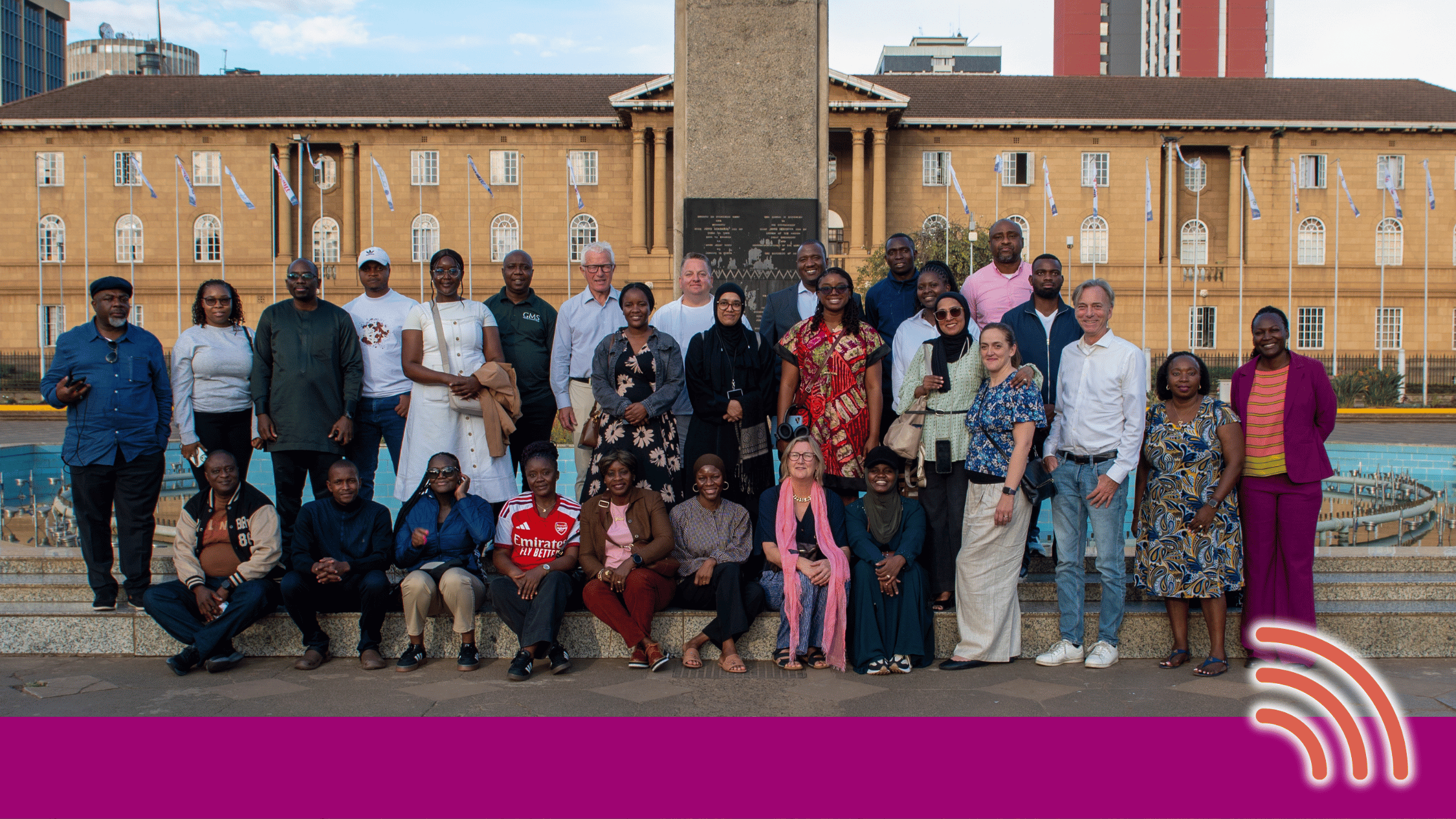
7th iPRIS cohort in Ghana: Strengthening regional cooperation for Africa’s digital future

From 9 to 12 March 2026, the National Communications Authority (NCA) of Ghana will host the second round of peer-to-peer learning of the seventh cohort of the ICT Policy and Regulation – Institutional Strengthening (iPRIS) project in Accra. 

iPRIS has engaged approximately 157 participants from 33 countries to date, highlighting the vast network of telecom regulators who share knowledge to advance their telecom industries. Sub-Saharan Africa (SSA) faces major challenges in digital development, including underdeveloped digital infrastructure, limited access to affordable connectivity, a digital gender gap, insufficient skills for digitally enabled industries and a weak regulatory and policy environment. According to the International Telecommunication Union (ITU), effective regulation can reduce connectivity costs by up to 30%  while attracting greater investment in digital infrastructure, underscoring the critical role of institutions such as iPRIS in expanding affordable access and bridging the digital divide.

This meeting will bring together African National Regulatory Authorities (NRAs) from the National Communications Authority of Ghana (NCA Ghana), Lesotho Communications Authority (LCA Lesotho), Botswana Communications Regulatory Authority (BOCRA Botswana), Public Utilities Regulatory Authority of The Gambia (PURA Gambia), Communications Authority of Kenya (CA Kenya), and Malawi Communications Regulatory Authority (MACRA Malawi)

They will also be joined by Regional Regulatory Organisations (RROs), including the West Africa Telecommunications Regulators Assembly (WATRA), the Communications Regulators’ Association of Southern Africa (CRASA), and the East African Communications Organisation (EACO). Implementing partners, including the Swedish Post and Telecom Authority (PTS) and the Swedish Program for ICT in Developing Regions (SPIDER), will also participate.

The convening will mark the second stage of the cohort’s journey in the iPRIS cycle, following its initial phase in Stockholm in 2025. It will build on the cohort’s initial learning round, shifting from European learning exposure to Africa-based implementation. By prioritising practical reforms, the meeting will reinforce ICT regulation as a driver of digital transformation, strengthen regional cooperation among regulators, and deepen institutional capacity to ensure reliable and inclusive digital economies across Sub-Saharan Africa.

Read more about the 7th Cohort’s activities in Stockholm 2025 here.

Strategic objectives of this second meeting in Accra:

  • Advance Change Initiatives led by participating NRAs, moving from design to implementation and adaptability to African realities.
  • Strengthen regulatory responses to digital inclusion to ensure affordable access and to reduce gender and rural connectivity gaps through Diversity, Equity and Inclusion knowledge exchange sessions.
  • Promote market efficiency by addressing competition, affordability, and consumer protection in ICT services through cybersecurity sessions.
  • Equip regulators with the tools to address emerging technologies, including 5G, AI, and digital platforms.
  • Tackle cross-border regulatory challenges through harmonising approaches to roaming, spectrum management, and regional digital markets.
  • Deepen regional collaboration, fostering shared solutions and peer-to-peer support across national and regional institutions. 

An interesting session to look out for is the ‘Smart Borders, Fair Billings: Policy Lessons from Ghana’s Border Towns’ discussion that will be presented by NCA Ghana. This session will deliver practical lessons from NCA Ghana's experience driving roaming initiatives in its border towns. On the last day of discussions on Thursday, 12th March, the ‘Way Forward’ sessions will feature presentations from all the NRAs on their planning and execution strategies concerning their tailored Change Initiatives. It is a session open to all iPRIS alumni and current participants, where technical expertise and knowledge are shared.


The 7th cohort follow-up phase in Ghana will serve as a pivotal step in the seventh cohort’s journey, reinforcing iPRIS’s commitment to regulator-led reforms that respond to Africa’s digital realities. By combining peer learning with practical implementation, the programme will ensure that participating regulators return home equipped with actionable strategies to expand affordable connectivity, strengthen consumer protection, and prepare for emerging technologies. Sustained collaboration beyond this meeting will be essential to build resilient institutions, harmonised regional markets, and inclusive digital economies that empower societies across Sub-Saharan Africa. As regulators advance their Change Initiatives and strengthen regional cooperation, iPRIS will remain committed to its support, helping authorities adapt to emerging technologies and address cross‑border challenges with coordinated and forward‑looking solutions


iPRIS is coordinated and implemented by SPIDER in strategic and technical partnership with the Swedish Post and Telecom Authority (PTS) and Institut luxembourgeois de régulation (ILR), as well as ARTAC, CRASA, EACO, and WATRA.

iPRIS is funded by the European Union, Sweden, and Luxembourg as part of the Team Europe Initiative “D4D for Digital Economy and Society in Sub-Saharan Africa” (Code: 001).

March 9, 2026
3 minutes
News

Francophone telecom regulators accelerate digital transformation in Benin

9–12 February 2026 | Cotonou, Benin

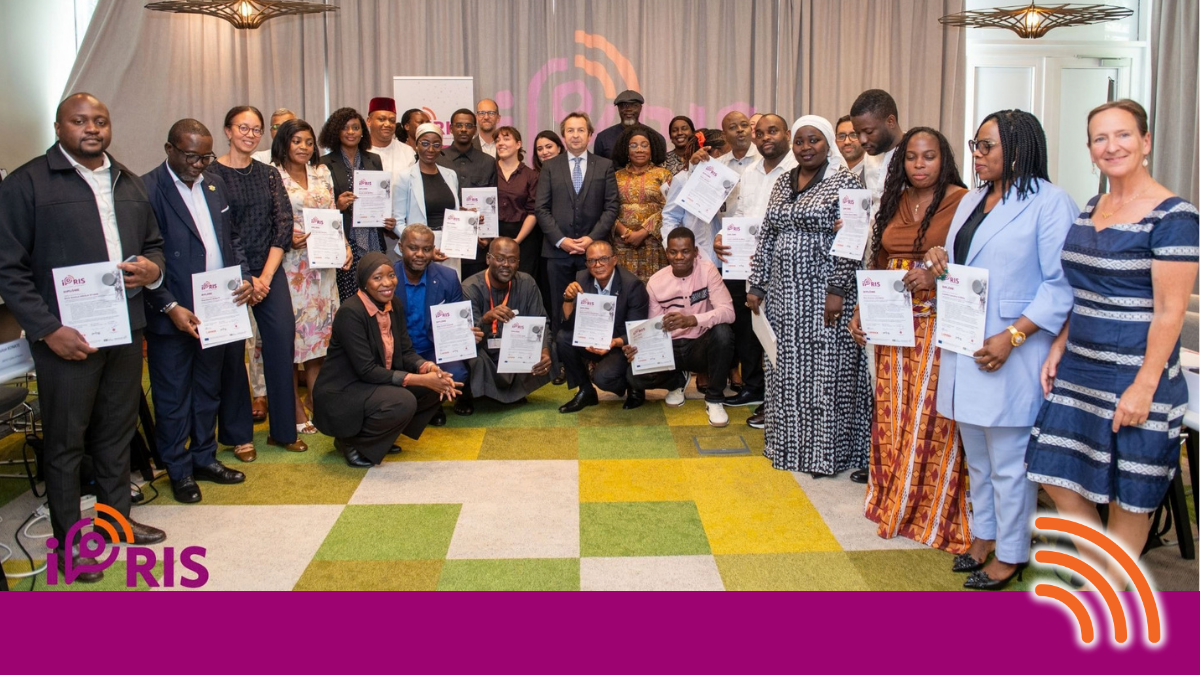
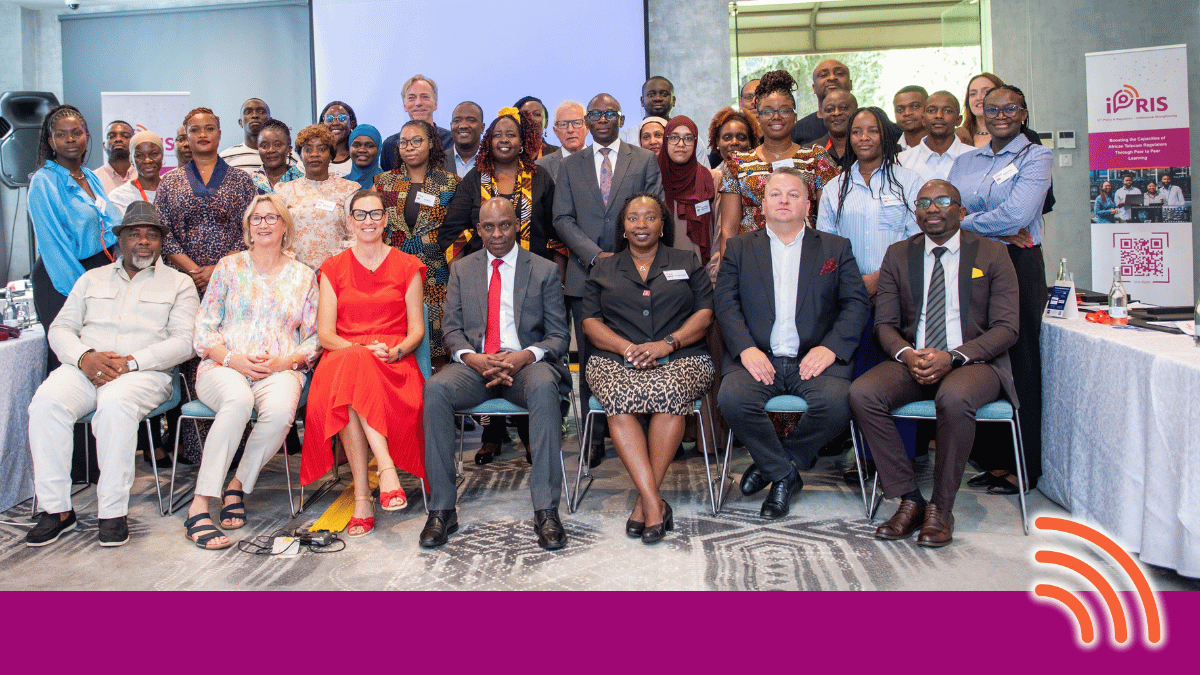
From 9 to 12 February 2026, the Electronic Communications and Postal Regulatory Authority of Benin (ARCEP Benin) hosted the Africa session of the second iPRIS Francophone cohort in Cotonou. This cohort is the second French group and sixth group overall in the iPRIS project. Four days of intensive exchanges brought together telecom regulators (NRAs) from Benin, Burundi, Cameroon, Equatorial Guinea, Gabon and Guinea, alongside implementing partners SPIDER and ILR, regional telecom regulators — WATRA (West Africa Telecommunications Regulators Assembly), ARTAC (Assembly of Telecoms Regulators of Central Africa) and EACO (East African Communications Organisation) — as well as the Francophone network, ARCEP France.

The Benin round took place against a backdrop of persistent connectivity challenges and transformative potential across Africa’s telecom landscape, underscoring the importance of structured regulatory peer-to-peer engagement. Despite mobile broadband networks covering a large majority of the population, only about 22–40 % of Africans are using mobile internet, leaving a substantial usage gap even where coverage exists, and fixed broadband remains scarce compared with global averages (GSMA, 2025). Meanwhile, the mobile sector contributed around $220 billion to Africa’s GDP in 2024 (about 7.7 % of total output), with usage expected to increase further, highlighting connectivity’s economic value (GSMA, 2025). At the same time, advanced technologies such as 4G and 5G are expanding slowly, with 5G still a small share of total connections in Sub-Saharan Africa, reinforcing the need for forward-looking regulatory frameworks that can unlock investment, affordability, and digital inclusion. By bringing regulators together to test, refine and benchmark their Change Initiatives with peers and regional bodies, the Cotonou meeting directly addresses policy and implementation gaps that constrain meaningful connectivity and inclusive digital market development. 

As part of iPRIS's structured peer-to-peer learning cycle, this session marked a turning point for the second Francophone cohort: the shift from learning to action. Following comprehensive training in Luxembourg in September 2025, these Francophone African telecom regulators reconvened in Benin to test their Change Initiatives (CIs) against on-the-ground realities, measure the progress achieved and consolidate the reforms underway.

Day 1: Concrete Progress and Reaffirmed Commitment

The session was officially opened with addresses by H.E. Stéphane Mund, Ambassador of the European Union to Benin, the representative of the Ambassador of Luxembourg to Benin, and Dr Hervé C. Guèdègbé, Executive Secretary of ARCEP Benin. This high-level institutional framework set the tone for the week's ambition from the outset: positioning African regulators as drivers of the continent's digital transformation.

The morning of this first day was dedicated to presentations on the progress of the Change Initiatives led by each NRA. From competition regulation and spectrum management to 5G deployment, fibre optic infrastructure regulation and spectral interference detection, each regulator demonstrated measurable progress since the comprehensive training session in Europe. A highlight of the day was the spotlight on ARCEP Benin's achievements, including the announcement of the decision regulating tariffs in the electronic communications and digital sector, as well as the forthcoming framework for free WiFi zones. These measures illustrated the Beninese regulator's commitment to a more transparent, equitable and accessible market.

The day concluded with a visit to the ARCEP Benin technical centre in Hêvié, Calavi, where participants met with the executive secretariat of ARCEP to discuss the country's evolving approach to public internet access, including recent regulatory guidelines on WiFi zone operations. The regulatory framework underscores the importance of prior authorisation, quality of service, data protection and fair competition, commitments that illustrate how regulation can protect users while enabling affordable and equitable digital access.

Day 2: Strategic Dialogue and Institutional Cooperation

The second day was entirely devoted to dedicated Change Initiative meetings. Each national regulator worked in dedicated sessions with experts from WATRA, ARTAC, SPIDER, ILR and EACO to refine implementation strategies, identify risks and strengthen action plans. This discussion group format reflects the iPRIS methodology: iterative, structured support grounded in accountability. The exchanges enabled in-depth exploration of the challenges specific to each national context — budget constraints, institutional approval timelines, inter-agency coordination and access — while identifying cross-cutting solutions, good practices and shared visions among peers.

The day continued into the evening at the Embassy of Luxembourg in Benin, where participants were received at a special invitation. This institutional moment reaffirmed the support of European and African experts for strengthening the capacities of NRAs and promoting inclusive digital ecosystems.

Day 3: Innovation, Financial Inclusion and Institutional Leadership

The third day offered African regulators an immersion in Benin's financial and digital innovation ecosystem, combined with capacity-building sessions on project management and institutional diversity.

Immersion in Beninese Fintech

The morning took place at the Embassy of Luxembourg, with presentations by two startups awarded through the LuxAid Challenge Fund: Global Optim Benin (GOBIWORLD), whose integrated mobile application digitalises and optimises the activities of Mobile Money agents to strengthen financial inclusion, and Media Soft Bénin, which facilitates the digitalisation of microfinance institution services for broader access to financial services, particularly for vulnerable populations.

Ms Livia Sossou, Senior Technical Adviser for the BeDigital programme, and Mr Gilles Da Costa, Senior Technical Adviser for the Inclusive and Innovative Finance programme, presented Benin's progress in financial inclusion. The financial inclusion rate, estimated at 87% in 2025, has now reached 90% within the WAEMU zone, driven by the adoption of the new banking law in 2024, which extends the scope of application to payment institutions, electronic money institutions and FinTechs.

The visit to the MTN Innovation Lab completed this immersion with a presentation of Cashless, a SaaS platform dedicated to managing employee benefits and professional expenses. These initiatives illustrate the dynamism of Benin's digital ecosystem and the synergies between regulation and innovation.

Diversity, Equity and Inclusion

The afternoon opened with a session led by Cheikh Sadibou Sakho (SPIDER / Gaston Berger University) on diversity, equity and inclusion (DEI) in regulatory environments. The session emphasised that inclusion is not limited to infrastructure but also depends on social roles and gender, reinforcing the idea that public legitimacy and trust rest on inclusive leadership.

Read more about Prof. Sadibou’s insights on digital inclusion here

Project Management and MEAL

Malena Liedholm-Ndounou (SPIDER) led a session on project management and Monitoring, Evaluation, Accountability and Learning (MEAL), equipping regulators with practical tools to plan, monitor and evaluate the impact of their Change Initiatives. The session highlighted that the sustainability of reforms depends as much on project discipline as on technical expertise.

The session on tariff regulation, led by Antoine Samba (ARCEP France/FRATEL) and Tantely Jeans (ILR), also enabled participants to explore European regulatory frameworks on pricing and consumer protection in greater depth, a topic at the heart of several Change Initiatives in this second Francophone cohort.

Day 4: Consolidation and Forward Planning

The fourth and final day focused on consolidating the Change Initiatives and defining the way forward. Each NRA in the cohort presented their roadmap for the coming months, specifying key milestones, expected deliverables and monitoring mechanisms. The presentations demonstrated how far the CIs had progressed, moving from strategic design in Luxembourg last September to detailed action plans anchored in each country's institutional realities.

The session closed on a convivial note with a cultural excursion to Ouidah, a historic city in Benin. This shared moment strengthened bonds among participants, illustrating the spirit of collaboration and solidarity that characterises the iPRIS project.

Strengthening Regulatory Leadership Across Africa

The follow-up session of the second Francophone cohort in Cotonou confirms the core mission of iPRIS: to support telecom regulators in implementing structural reforms, foster peer-to-peer learning and contribute to building more inclusive, innovative and sustainable digital environments across Africa. In four days, the second Francophone cohort demonstrated that structured peer-to-peer exchange accelerates the regulatory capacity of African institutions, from progress presentations to CI clinics, from fintech immersion to reflection on inclusive leadership.

Since its launch in 2023, iPRIS has mobilised more than 200 telecom experts across 33 countries, reflecting a growing continental network of regulators who draw on shared expertise and coordinated regulatory action to shape resilient, forward-looking digital markets. The Cotonou session is not the end of the journey, but a milestone in iPRIS's ongoing commitment to African regulators — a commitment that transforms learning into reform and reform into lasting impact.


iPRIS is coordinated and implemented by SPIDER in strategic and technical partnership with the Swedish Post and Telecom Authority (PTS) and Institut luxembourgeois de régulation (ILR), as well as ARTACCRASAEACO, and WATRA.

iPRIS is funded by the European Union, Sweden, and Luxembourg as part of the Team Europe Initiative “D4D for Digital Economy and Society in Sub-Saharan Africa” (Code: 001).

February 20, 2026
6 minutes
News

Second iPRIS Francophone telecom regulators to convene in Benin

From 9 to 12 February 2026, the Regulatory Authority for Electronic Communications and Post of Benin (ARCEP Benin) will host the Africa round of the second Francophone cohort of the ICT Policy and Regulation – Institutional Strengthening (iPRIS) programme in Cotonou.

The meeting brings together African National Telecom Regulators, Regional Regulatory Organisations, alongside international collaborators to strengthen institutional capacity and advance inclusive digital transformation across Francophone Africa. Sub-Saharan Africa (SSA) faces major challenges in digital development, including underdeveloped digital infrastructure, limited access to affordable connectivity, a digital gender gap, limited skills for digitally enabled industries, and weak regulatory and policy environments. However, over the last few years, the region has made major advances in digital transformation, with hundreds of millions of people gaining access to the internet and productively using a wide variety of digital services, such as mobile payments and e-learning platforms (World Bank, 2024).

The Africa round of iPRIS’s Francophone cohort in Benin builds on knowledge-sharing sessions in Europe and moves toward  implementation, tailoring reforms to local contexts and regional priorities.

Among the participating National Regulatory Authorities are the Regulatory Authority for Electronic Communications and Post of Benin (ARCEP Benin), the Regulatory and Control Agency for Telecommunications of Burundi (ARCT Burundi), the Telecommunications Regulatory Agency of Cameroon (ART Cameroon), the Telecommunications Regulatory Authority of Equatorial Guinea (ORTEL Equatorial Guinea), the Regulatory Authority for Electronic Communications and Post of Gabon (ARCEP Gabon), and the Regulatory Authority for Post and Telecommunications of Guinea (ARPT Guinea).

They will be joined by Regional Regulatory Organisations, including the West Africa Telecommunications Regulators Assembly (WATRA), the East African Communications Organisation (EACO), and the African Telecommunications Regulators Assembly for Central Africa (ARTAC).

The meeting will also include implementing partners such as the Luxembourg Institute of Regulation (ILR) and the Swedish Program for ICT in Developing Regions (SPIDER), with contributions from European collaborators including the Regulatory Authority for Electronic Communications and Post of France (ARCEP France).

This convening marks the second stage of the cohort’s journey in the iPRIS cycle, following its initial phase in Luxembourg in September 2025. The follow‑up phase in Cotonou, Benin, will build on the cohort’s initial learning round in Luxembourg, shifting from exposure to Africa‑based implementation. By prioritizing practical reforms, the meeting reinforces ICT regulation as a driver of digital transformation, strengthens regional cooperation among Francophone regulators, and deepens institutional capacity‑building to ensure reliable and inclusive digital economies across Sub Saharan Africa, enabling regulators to implement lessons to local realities and implement concrete reforms.

Read more about the regulator’s time in Luxembourg here.

iPRIS is an EU‑supported initiative designed to strengthen ICT policy and regulatory frameworks across Sub‑Saharan Africa. Coordinated by SPIDER in partnership with the Swedish Post and Telecom Authority (PTS) and the Institut luxembourgeois de régulation (ILR), the programme is part of the Team Europe Initiative Digital for Development (D4D) and emphasises peer learning, institutional reform, and regulator‑led Change Initiatives that deliver measurable impact. In Francophone Africa, the urgency of coordinated regulatory action is clear: over 60% of Africa’s population still lacks access to the internet, according to the African Telecommunications Union (ATU, 2024). This digital divide shows why the Benin meeting is critical, as regulators work to expand affordable connectivity and strengthen institutional capacity for inclusive digital transformation.

iPRIS helps bridge the digital divide by enhancing inclusive, meaningful digital connectivity. It does so by boosting the capacities of African telecom regulators through peer‑to‑peer learning with African and European counterparts, emphasising institutional reform and practical implementation as the basis for sustainable digital economies. Strengthening digital regulation is directly tied to the Sustainable Development Goals, as inclusive connectivity supports quality education, economic growth, innovation, and stronger partnerships.

Strategic Objectives of the Benin Meeting

  • Advance Change Initiatives led by participating National Regulatory Authorities, moving from design to implementation.
  • Strengthen regulatory responses to digital inclusion to ensure affordable access and reduce gender and rural connectivity gaps.
  • Promote market efficiency by addressing competition, affordability, and consumer protection in ICT services.
  • Equip regulators for emerging technologies, including satellite‑to‑device services, cybersecurity frameworks, and digital platforms.
  • Tackle cross‑border regulatory challenges, harmonising approaches to roaming, spectrum management, and regional digital markets.
  • Deepen regional and Francophone collaboration, fostering shared solutions and peer‑to‑peer support across national and regional institutions.
  • Deliver practical outcomes, with regulators expected to return home with feasible reforms designed for their local contexts.

Since the project was launched in 2023, iPRIS has engaged 24 National Regulatory Authorities (NRAs) and 4 Regional Regulatory Organisations (RROs), supporting more than 20 measurable Change Initiatives across spectrum reform, cybersecurity frameworks, roaming regulations, and satellite‑to‑device services. These initiatives demonstrate how peer learning translates into concrete reforms that expand affordable connectivity, strengthen consumer protection, and prepare regulators for emerging technologies.

The Africa round in Cotonou, Benin, is not the end of the journey but part of iPRIS’s continued engagement with African regulators. Continuous partnership beyond this meeting will be essential to ensure that the lessons learned translate into long-term reforms, stronger institutions, and more inclusive digital economies across the region. As the cohort advances its Change Initiatives and deepens regional cooperation, iPRIS remains committed to supporting regulators in adapting to emerging technologies and cross‑border challenges.

For updates and highlights on the programme’s progress, visit the iPRIS LikedIn Page.

Watch highlight videos of the iPRIS videos here.


iPRIS is coordinated and implemented by SPIDER in strategic and technical partnership with the Swedish Post and Telecom Authority (PTS) and Institut luxembourgeois de régulation (ILR), as well as ARTAC, CRASA, EACO, and WATRA.

iPRIS is funded by the European Union, Sweden, and Luxembourg as part of the Team Europe Initiative “D4D for Digital Economy and Society in Sub-Saharan Africa” (Code: 001).

January 23, 2026
4 minutes
1 2 3 26

Contacts

Borgarfjordsgatan 12, Kista,SWEDEN
Postal Address: Stockholm University, Department of Computer and Systems Sciences/DSV, SPIDER, P.O Box 1073, SE-164 25 Kista, Sweden
Subscribe

SUBSCRIBE
iPRIS is a project supported under the Team Europe Initiative "D4D for Digital Economy and Society in Sub-Saharan Africa” (Code: 001). The project is made possible with co-financing from the EU, Sweden, and Luxembourg.

Copyright © 2025 iPRIS. All rights reserved.

linkedin facebook pinterest youtube rss twitter instagram facebook-blank rss-blank linkedin-blank pinterest youtube twitter instagram