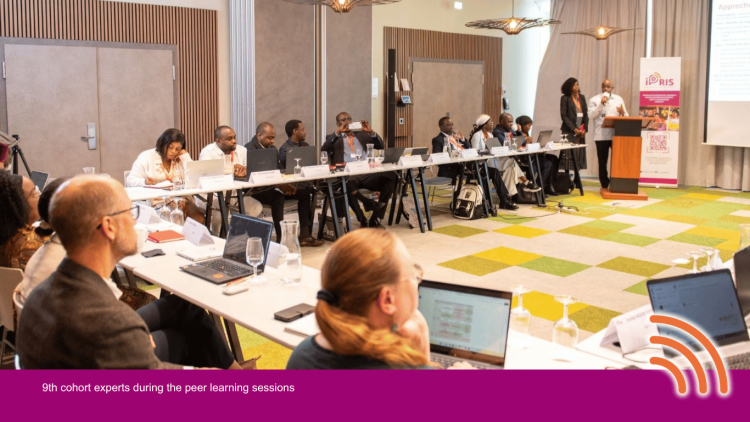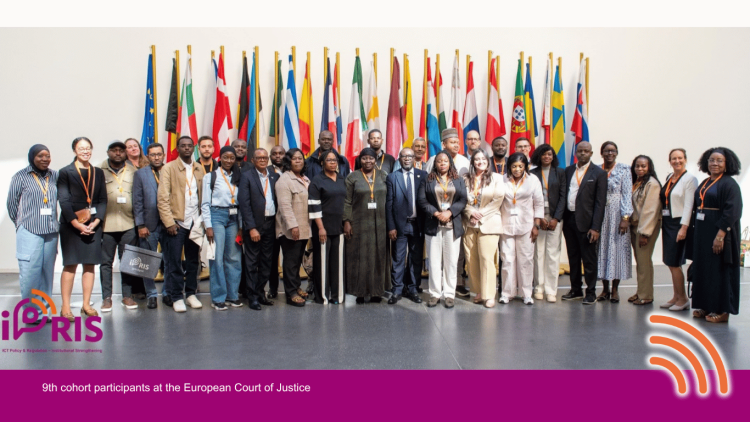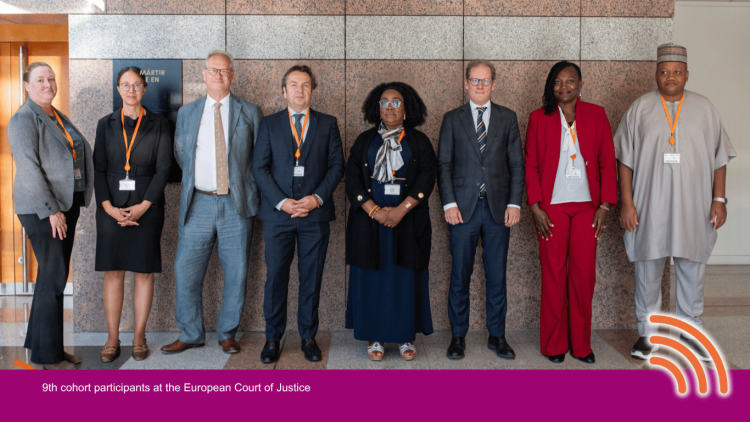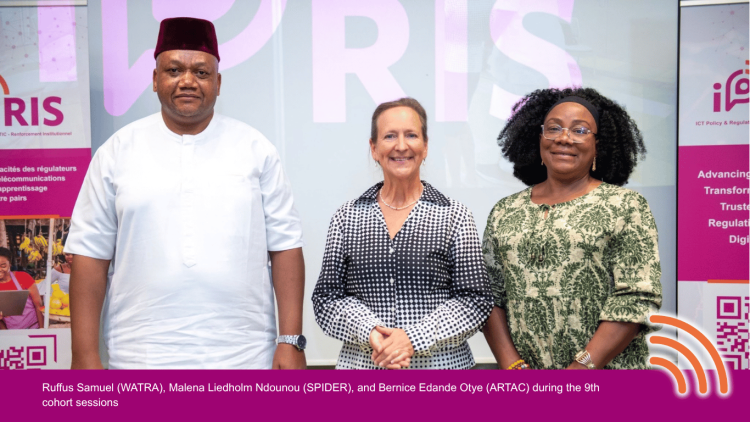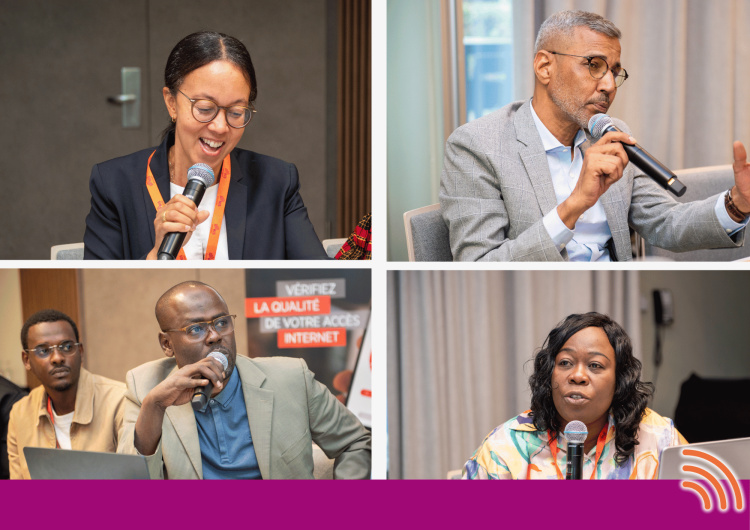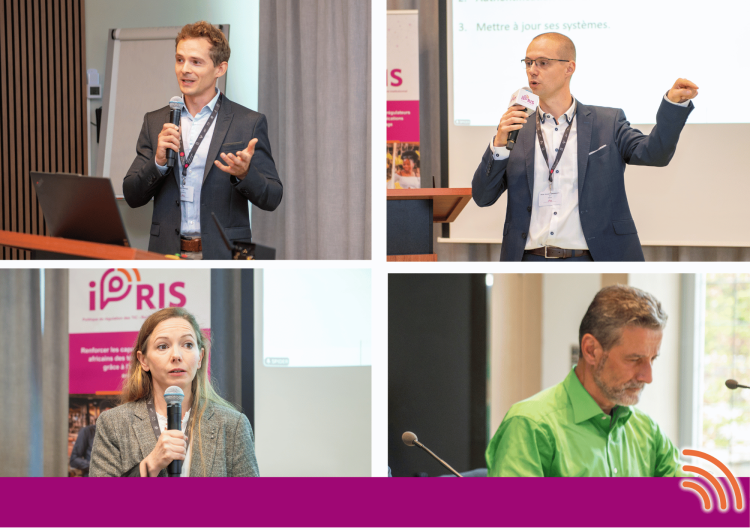



African telecom regulators advance digital policies for the benefit of their citizens
Regulators reconvene to advance digital policy leadership
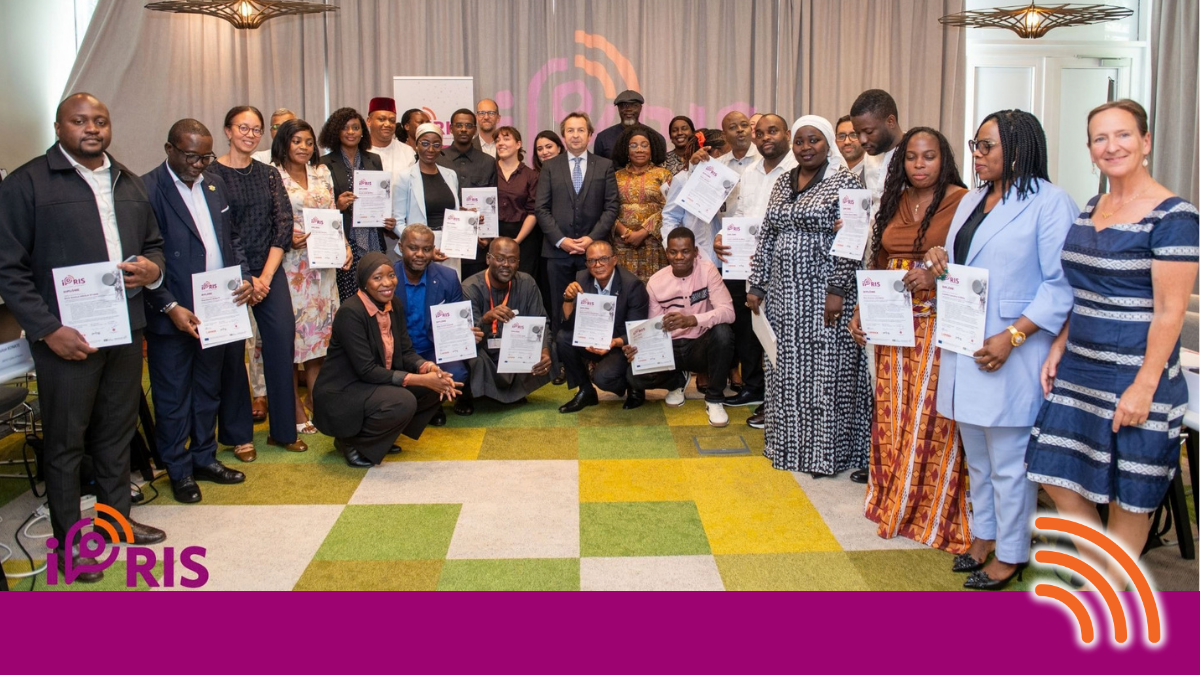
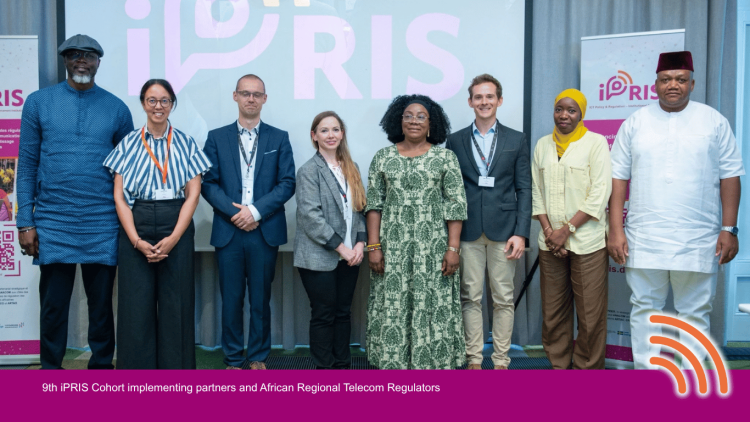
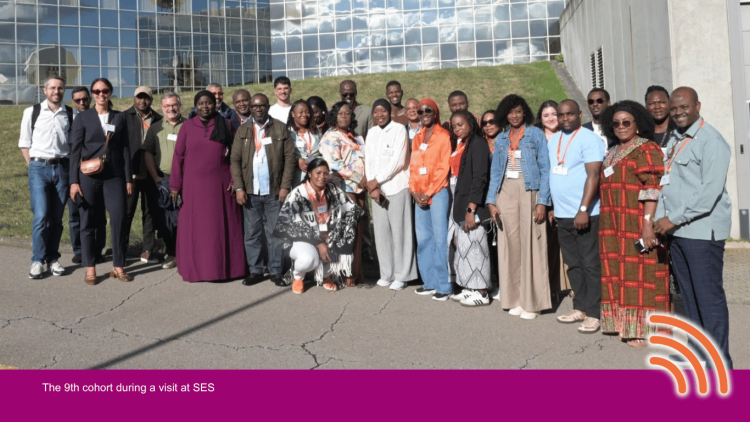
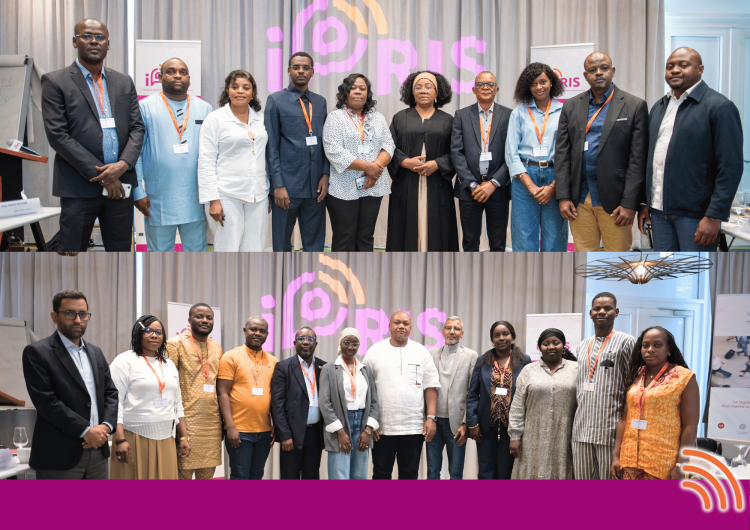
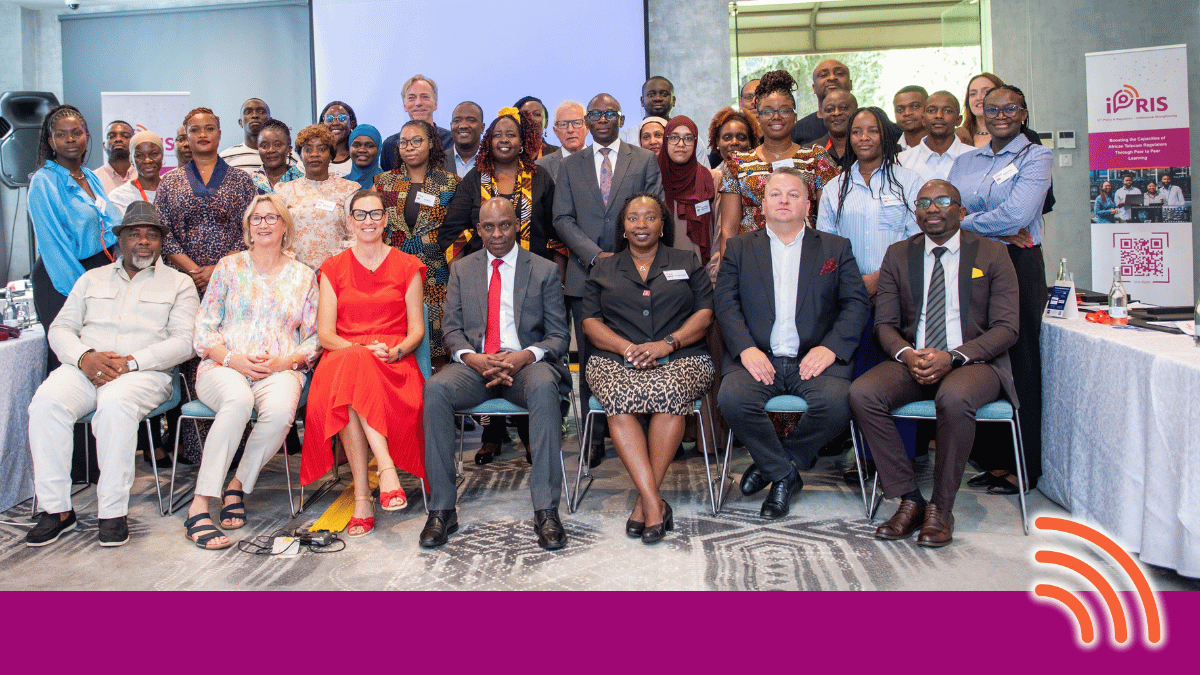
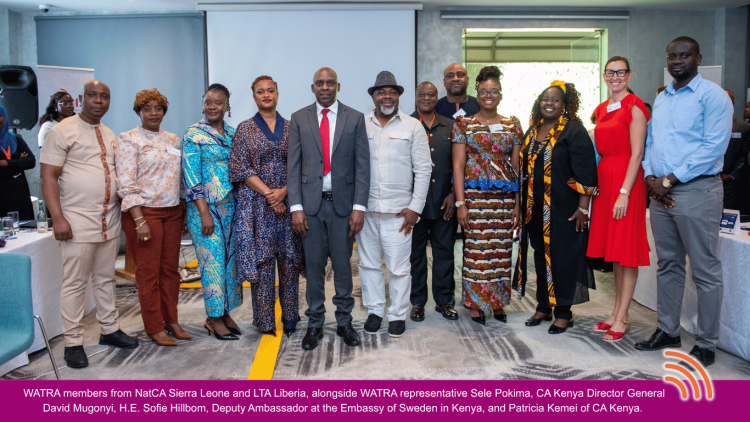
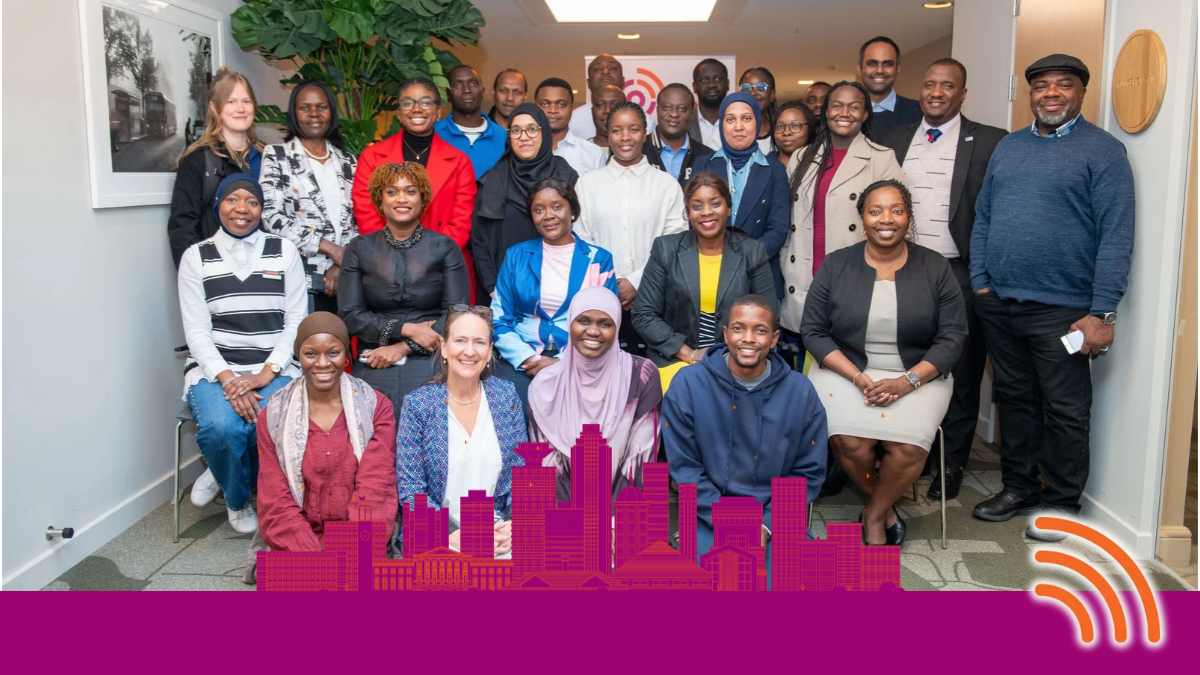
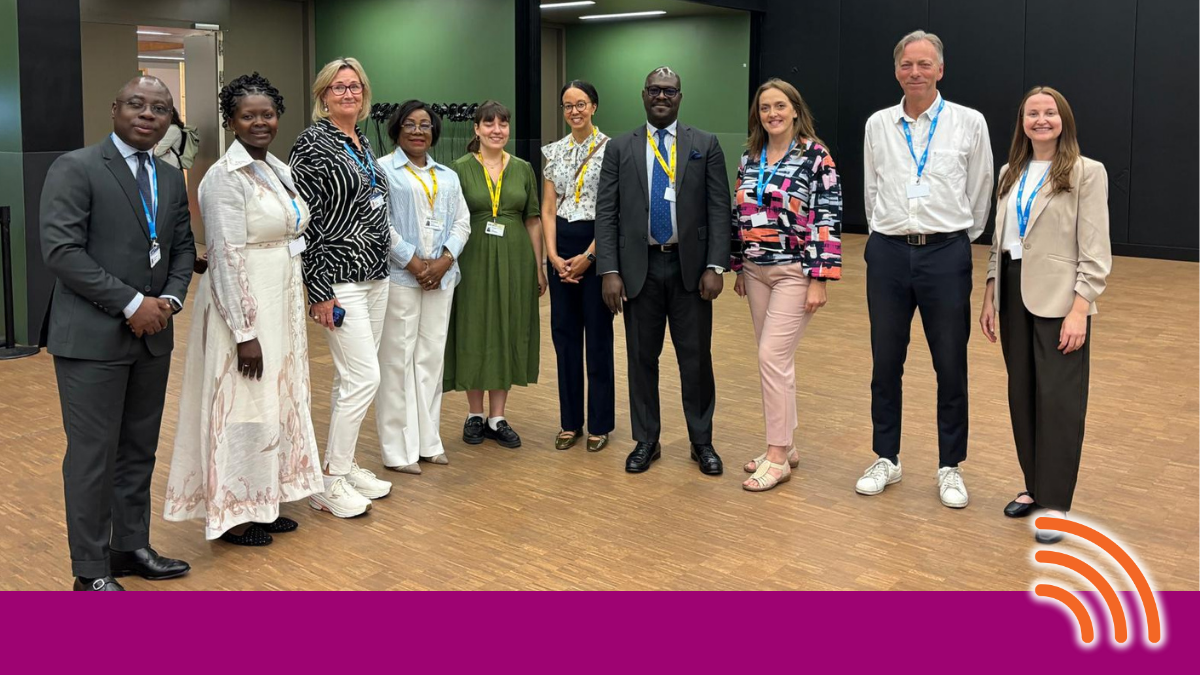
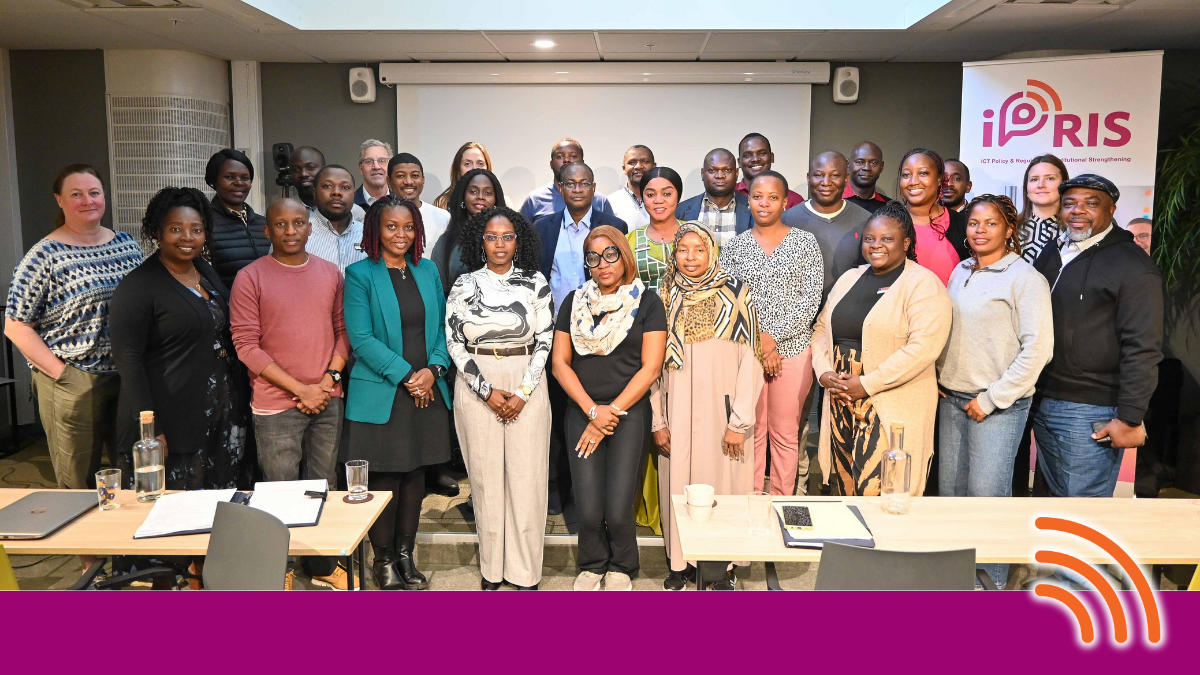
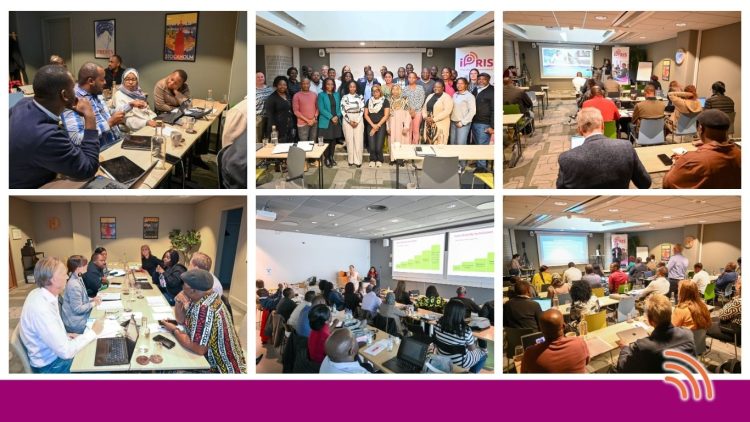
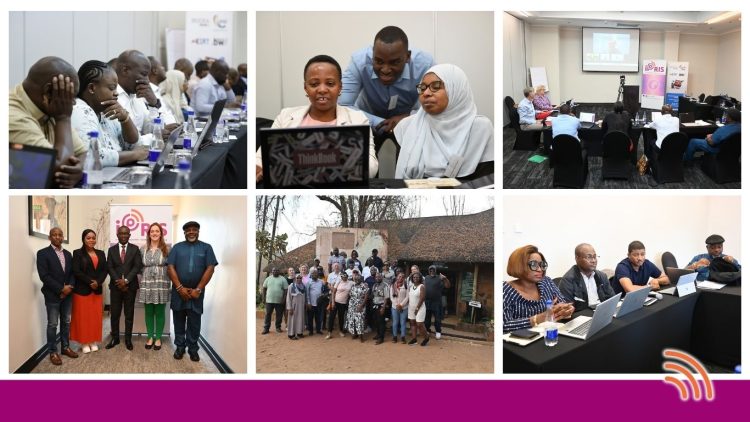
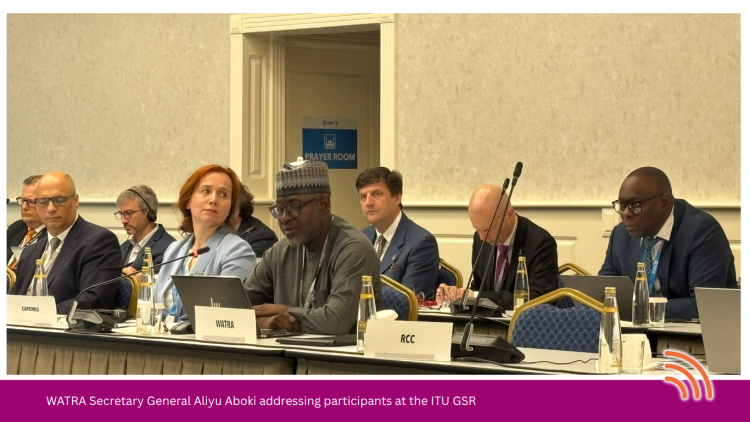
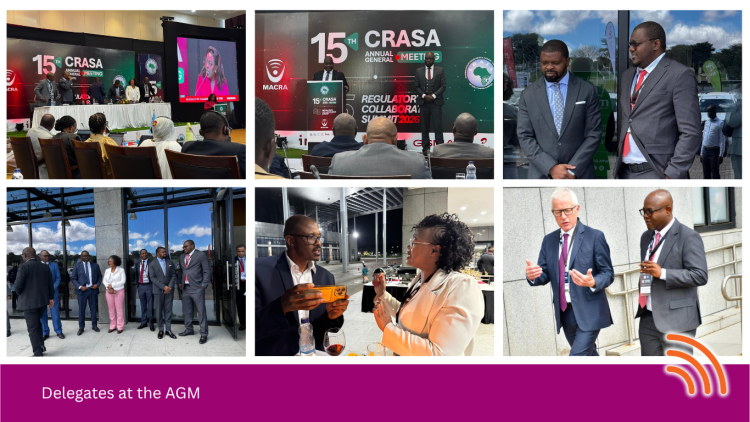
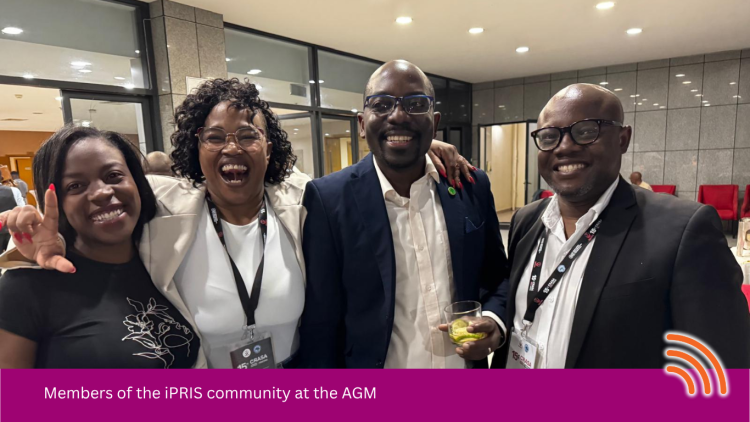
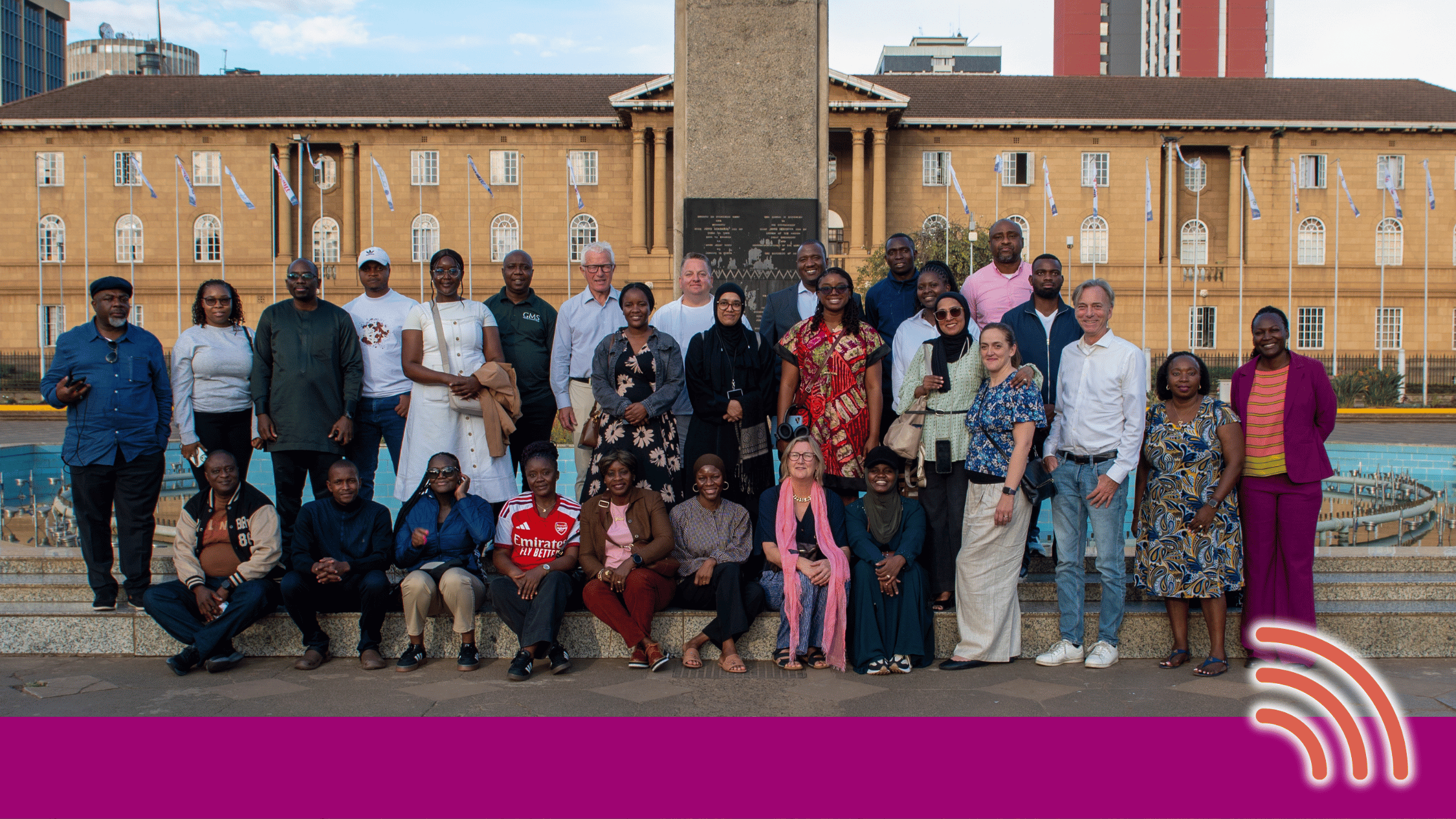
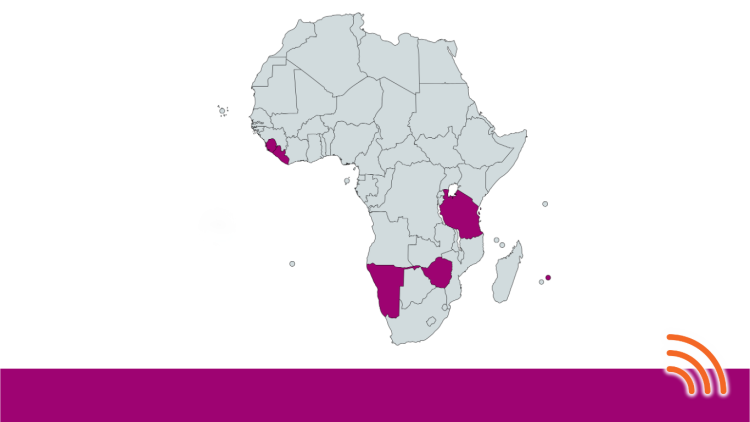
From 5th to 9th October 2026, iPRIS hosted the eighth cohort African phase in Nairobi, Kenya convening telecom regulators from the Liberia Telecommunications Authority (LTA Liberia), Communications Regulatory Authority of Namibia (CRAN), Information and Communication Technologies Authority of Mauritius (ICTA), National Telecommunications Commission of Sierra Leone (NatCa), Tanzania Communications Regulatory Authority (TCRA), and the Postal and Telecommunications Regulatory Authority of Zimbabwe (POTRAZ) to advance Change Initiatives (CIs) from policy concepts to practical regulatory action. They were joined by implementing partners, SPIDER and the Swedish Post and Telecom Authority (PTS), representatives of the European Union, and regional regulatory organisations, including the East African Communications Organisation (EACO), and the West Africa Telecommunications Regulators Assembly (WATRA). The regulators first met in Stockholm in April for the European phase, and six months later they met again in Africa, Nairobi,Kenya to adapt the learnings to their country contexts.
Read about the 8th cohort Europe phase here.
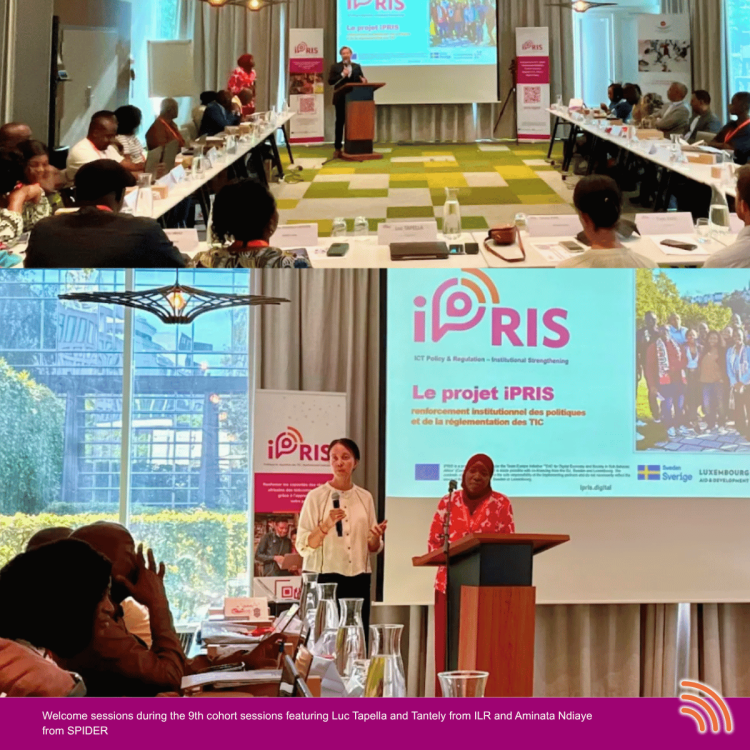
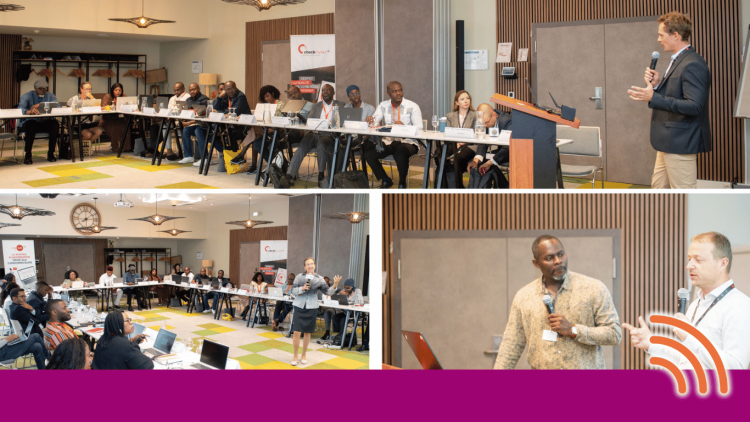
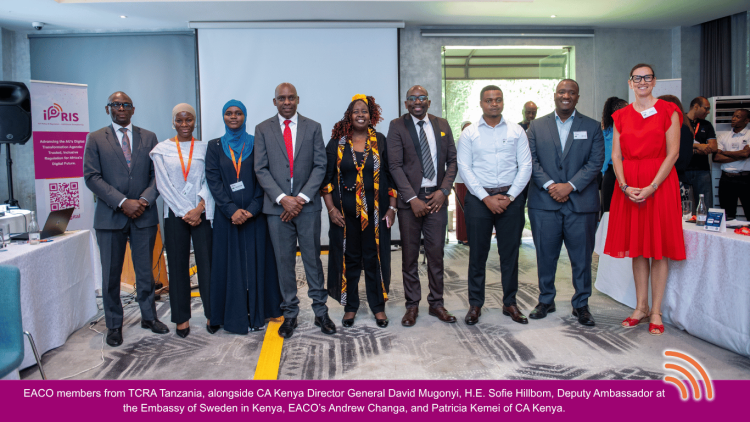
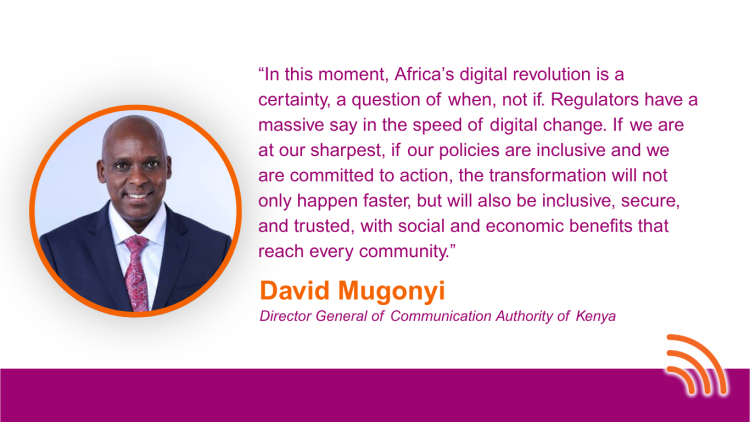
Opening the week’s sessions, David Mugonyi, Director General of the Communications Authority of Kenya, commended the spirit of peer‑to‑peer learning that defines iPRIS and the regulators’ role in advancing Africa’s digital revolution. He highlighted iPRIS’s practicality, noting that participation in the programme represents leadership through cooperation and mutual support. David Mugonyi emphasised that collaboration among regulators is vital because telecom challenges transcend borders, urging the telecom experts to share their experiences, implemented projects, and future plans.
Reflecting on Africa’s digital trajectory, Mugonyi remarked that Africa’s digital revolution is a certainty; it is simply a question of when. He stressed that regulators have a decisive influence on the speed and inclusivity of this transformation.
Sofie Hillbom, Deputy Ambassador at the Swedish Embassy in Kenya, reinforced this message during the opening session by encouraging regulators to view digital regulation not merely as a technical exercise but as a means of creating opportunities.
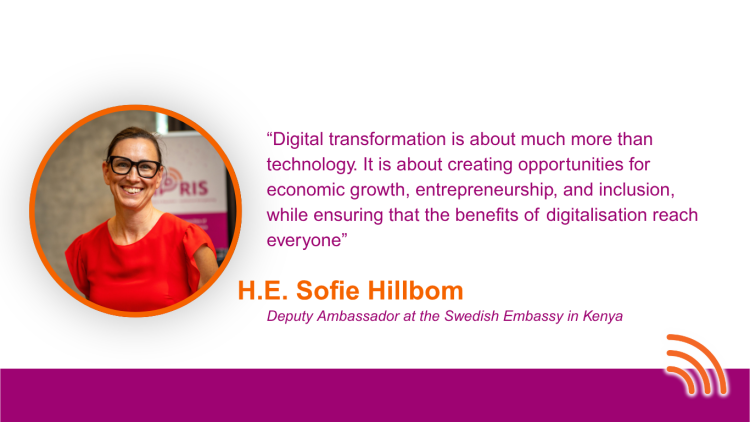
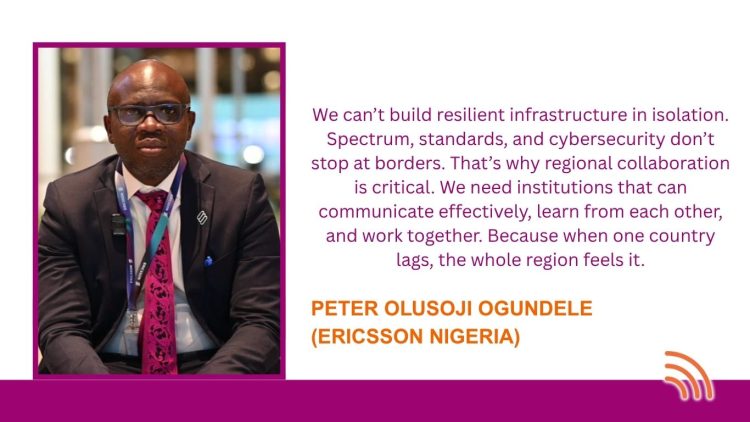
She explained that effective regulation enables innovation, drives socio‑economic growth, and strengthens institutions that support long‑term development. She also highlighted the importance of regional collaboration to address shared challenges such as cybersecurity and infrastructure access.
Read more about the opening session here.
Regulators share progress on Change Initiatives
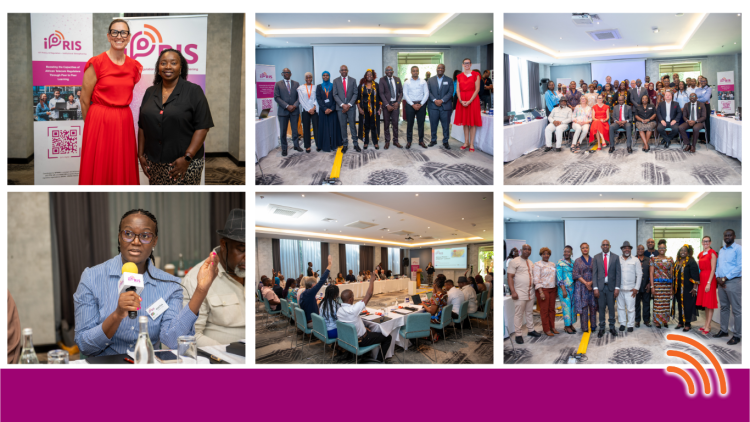
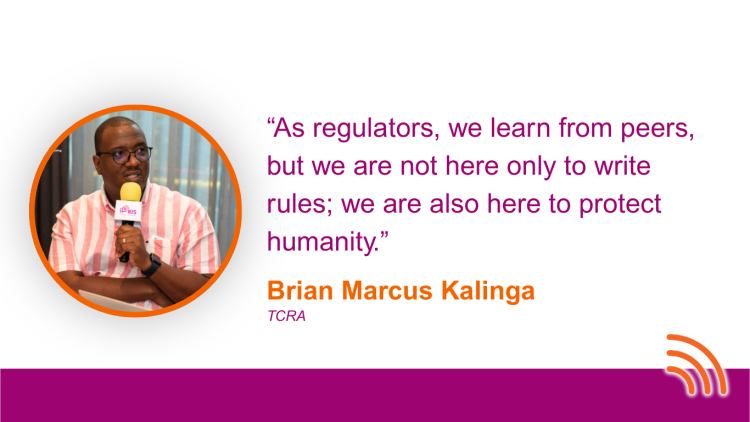
On the opening day, regulators showcased how their Change Initiatives are evolving to meet citizens’ needs in practical ways. Liberia’s Telecommunications Authority reflected the spirit of adaptation by revising its CI from 5G spectrum guidelines to technology‑neutral private network licensing, after consultations revealed more immediate gaps in industrial connectivity. This shift illustrates how regulators keep getting better as they share experiences and go back to the drawing board to adapt. In Tanzania, inclusivity took centre stage as Brian Marcus Kalinga of TCRA explained, the only challenge they anticipate is the collection part, because they currently have a gap in getting to know the children as well but have launched another Identification number called the Jamii number, which will soon start capturing people from as early as birth. This innovation promises better data on children and persons with disabilities, ensuring no one is left behind. Namibia’s CRAN emphasised foresight through regulatory sandboxes, preparing the ground for safe experimentation with emerging technologies. They explained the use of regulatory sandboxes to test disruptive technologies with mobile operators before wider implementation, allowing the regulator to identify lessons and areas for improvement.
Sierra Leone’s focus on LEO satellites underscored how connectivity can reach underserved communities, bridging digital divides. Zimbabwe’s telecom experts emphasised that cybersecurity is not only about technical safeguards but also about governance. Their framework integrates both cybersecurity and cybercrime within a single law, ensuring that protection of systems goes hand in hand with prevention and prosecution. Mauritius’ experts highlighted the importance of stakeholder cooperation in developing effective regulatory frameworks, emphasising plans to engage telecom operators, consumer associations, SMEs and the wider business community. Together, these stories reveal regulators’ commitment to people‑centered progress, adapting, innovating, and ensuring Africa’s digital future is inclusive, secure, and responsive to real needs.
Exploring foresight, inclusion, and impact
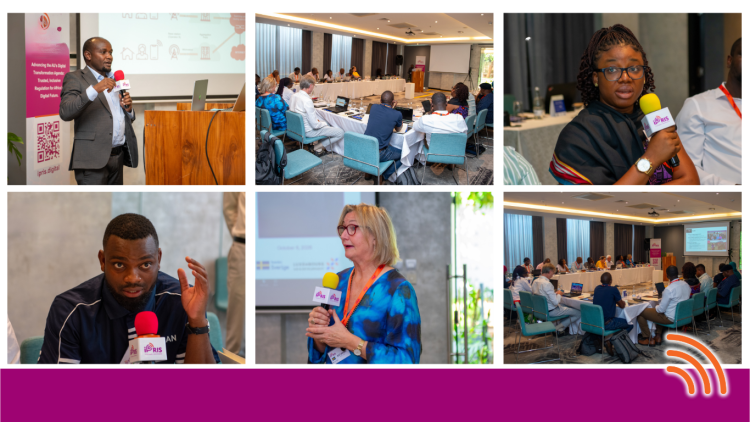
The iPRIS Nairobi phase continued with sessions that explored how digital regulation can shape inclusive growth and prepare Africa for a connected future. Discussions on Strategic Foresight, Diversity, Equity and Inclusion (DEI), Project Management, and Spectrum Management reflected how telecom regulators are translating global insights into practical actions that improve people’s lives.
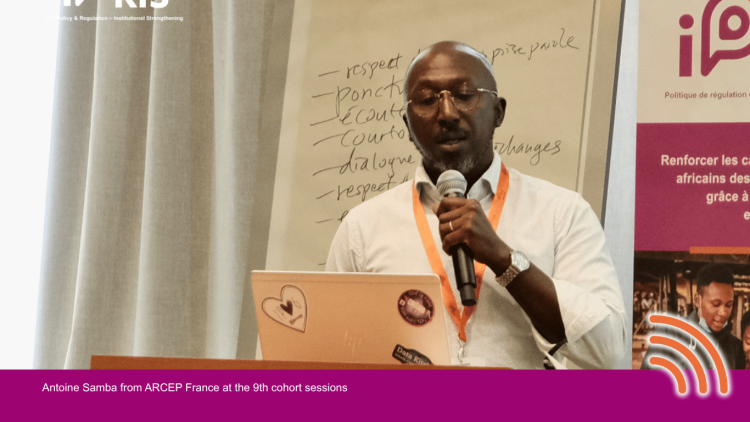
Strategic Foresight, facilitated by Hans Hedin (PTS), explored how regulators can anticipate technological change and design policies that serve society. The session highlighted that foresight is not about predicting the future but preparing for it by ensuring that innovation remains human‑centred and sustainable. Telecom regulators examined how emerging technologies such as artificial intelligence influence economies, communities, and the environment, and how collaboration across sectors helps manage these impacts responsibly.
“As we look at emerging technologies through strategic foresight, we also have to consider the cybersecurity and privacy implications. If we are going to digitise services such as healthcare, we need to put measures in place to ensure that sensitive information is protected and that people can continue to enjoy their privacy.” — Hans Hedin, PTS
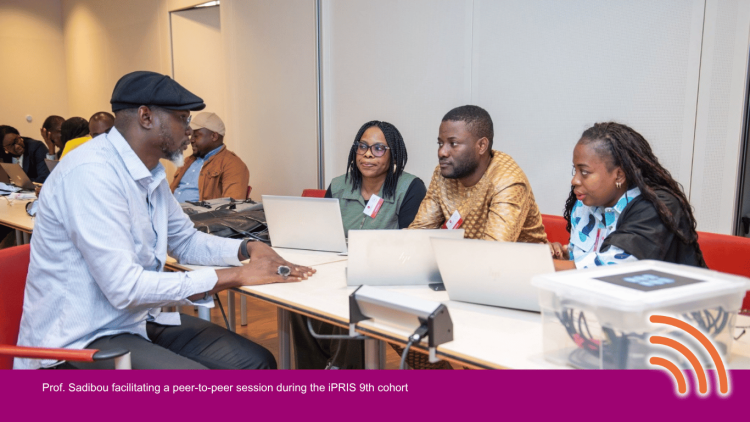
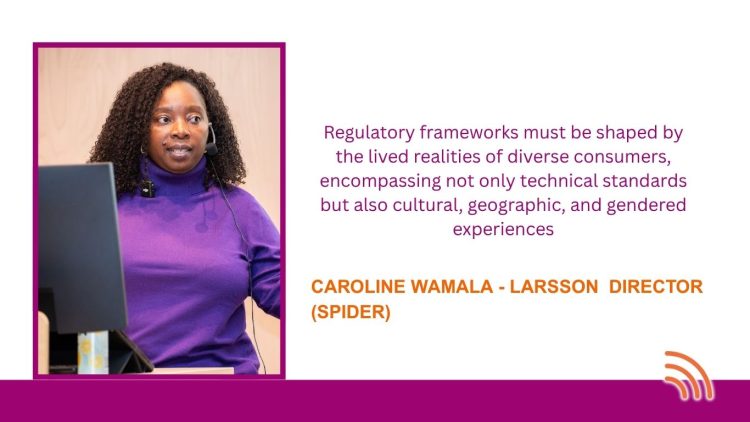
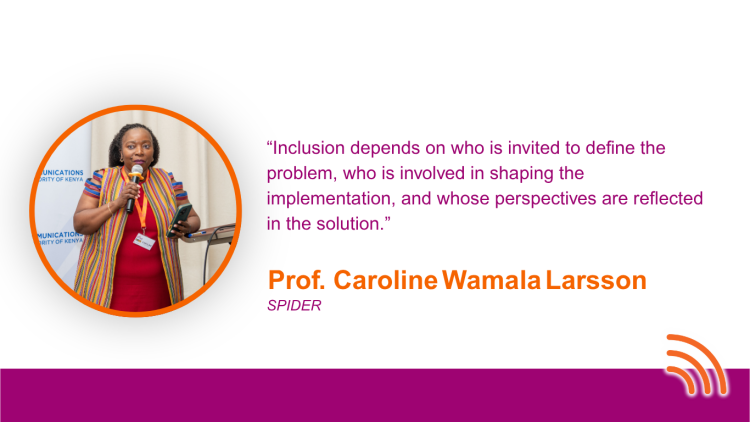
Building on this, Prof. Caroline Wamala Larsson (SPIDER) guided the DEI session, which focused on people and inclusion. Telecom regulators examined how digital policies can ensure equal access and representation, especially for women, youth, and persons with disabilities. Regulators shared examples of inclusive initiatives, TCRA showcased this through its accessible website initiative, inspiring other institutions to adopt similar features, proving how accessibility can spread and benefit more communities. The discussion emphasised that inclusion is not a one‑time goal but a continuous process of listening, adapting, and co‑creating solutions.
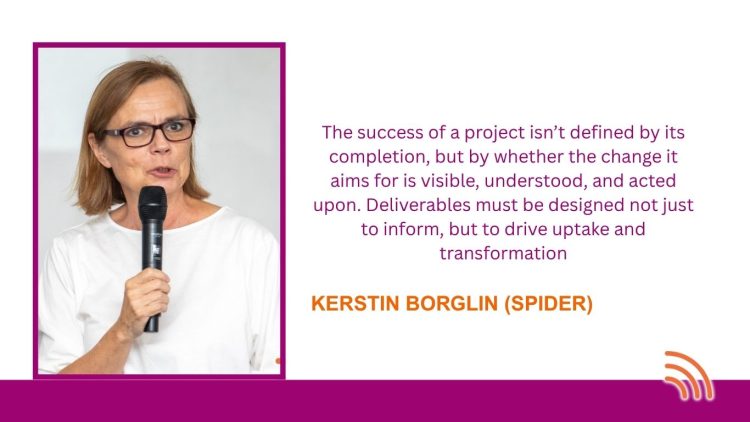
The Project Management and MEAL session complemented these reflections by exploring how regulators can measure success through outcomes that improve people’s lives rather than outputs like reports or systems. They discussed how focusing on long‑term results such as affordable connectivity, digital trust, and equitable access ensures that progress is sustainable and meaningful.
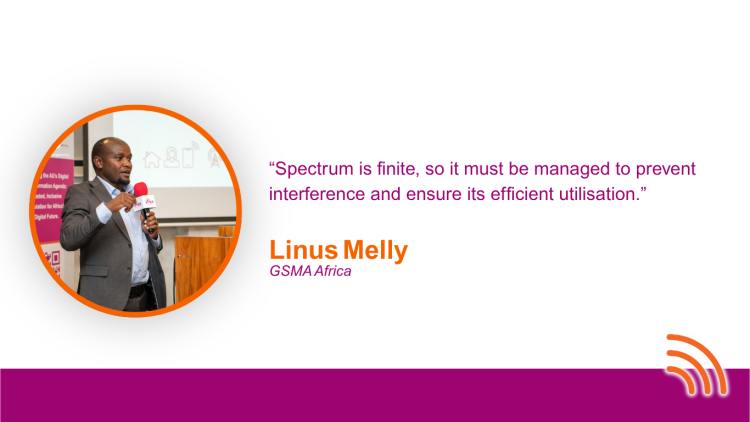
The Spectrum Management session, facilitated by Linus Melly (GSMA Kenya), brought a technical aspect into focus. Telecom regulators explored how the invisible radio waves that carry mobile signals shape everyday life from enabling phone calls and mobile internet to powering smart homes, digital agriculture, and emerging smart cities. When managed well, spectrum allows mobile operators to expand coverage, reduce costs, and deliver reliable connectivity that supports education, business, and innovation across communities.
Regional collaboration and cyber resilience: Insights from the EACO WG5 meeting
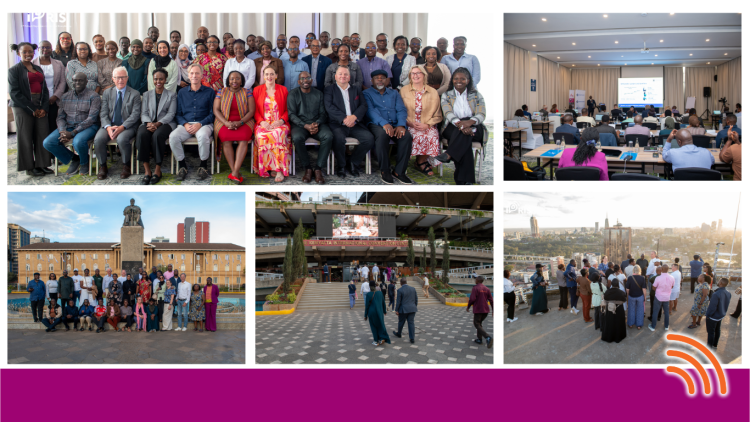
The EACO Working Group 5 meeting, jointly organised by CA Kenya and EACO, took place alongside the iPRIS project, offering telecom regulators a valuable platform to advance regional collaboration and share practical insights on how joint initiatives can accelerate Africa’s digital transformation. Kenya’s digital progress set the tone for the discussions — with 2.2 million active subscriptions, machine‑to‑machine applications up 24%, and mobile money reaching 54 million subscribers, generating nearly US$1 billion in daily transactions. These figures, shared by Dominic Ooko (CA Kenya), illustrate the scale of Kenya’s digital growth and echo his call for regulators to lead change through cooperation and innovation that benefits citizens.
CA Kenya shared a presentation on their Change Initiative on numbering, naming, and addressing from the fourth iPRIS cohort, which seeks to expand capacity, accommodate new technologies such as IPv6, and create opportunities for innovation and revenue generation. The initiative also responds to a landmark court ruling that recognised numbers as private digital identifiers which is reshaping how regulators approach number recycling and data protection. By embedding stakeholder consultation early in the process, the framework ensures flexibility and transparency while preparing for future technological shifts.
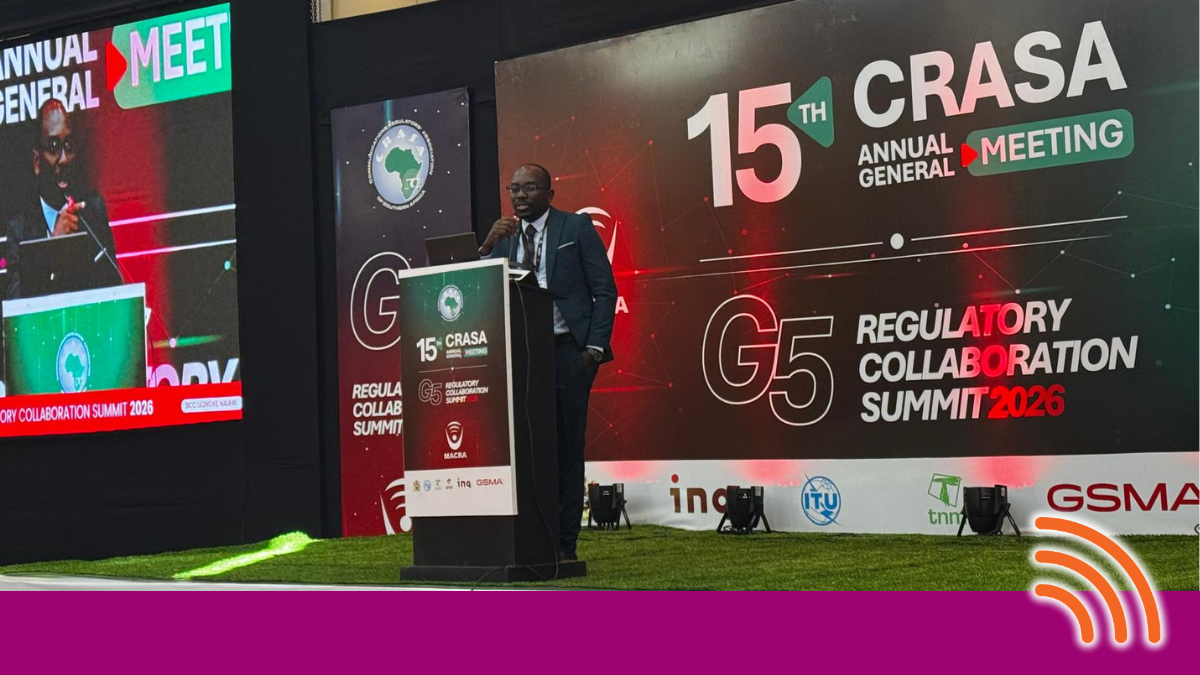
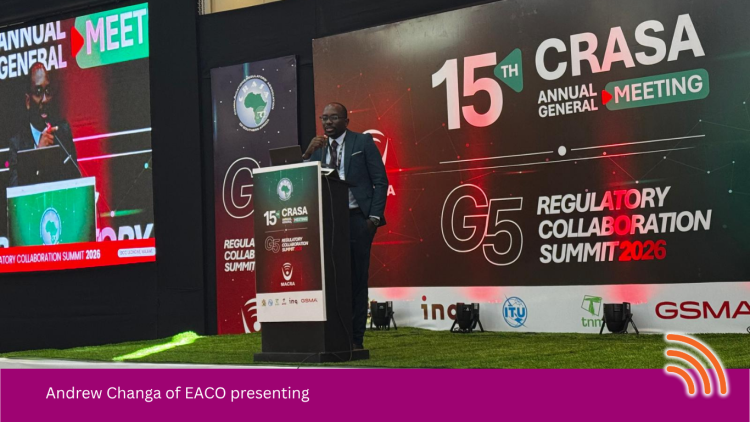
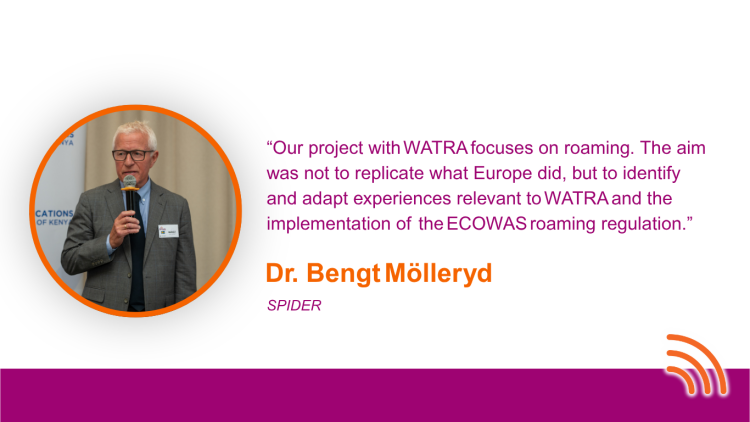
The meeting also featured Bengt Mölleryd (SPIDER), who shared progress on regional regulatory organisation projects under iPRIS. He highlighted collaborations with WATRA and ECOWAS on roaming regulation, where African and European experts share experiences; with CRASA on ICT indicator harmonisation to improve data quality and comparability; with ARTAC on ICT harmonisation to strengthen consistency; and with EACO on developing a lightweight web‑based portal for data reporting.
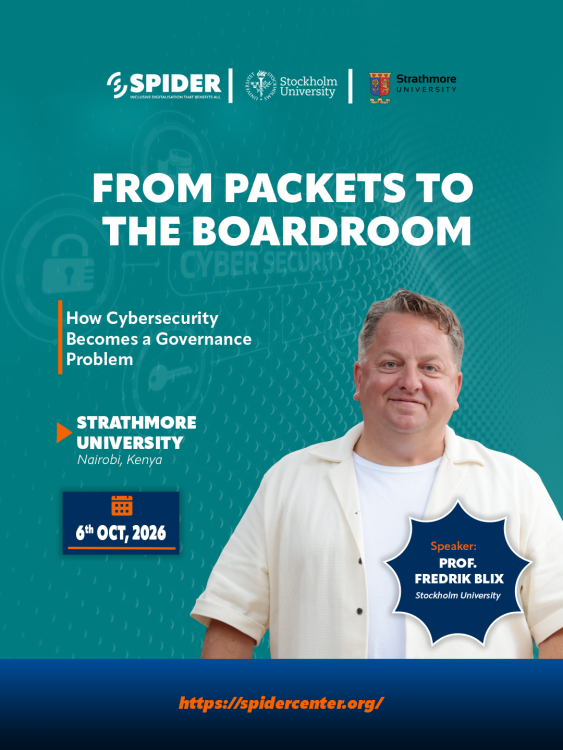
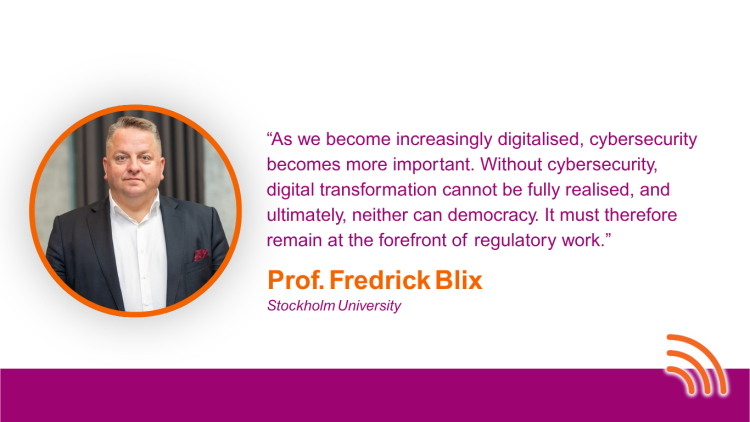
Cybersecurity emerged as a central theme, with Prof. Fredrik Blix (Stockholm University) emphasising that digital transformation cannot succeed without secure systems. He urged regulators to adopt comprehensive approaches that balance innovation with protection through integrating cybersecurity into every aspect of regulation, from data integrity to public trust. His remarks reminded regulators that safeguarding digital infrastructure is not only a technical necessity but also a democratic imperative.
From progress to implementation: Defining the way forward
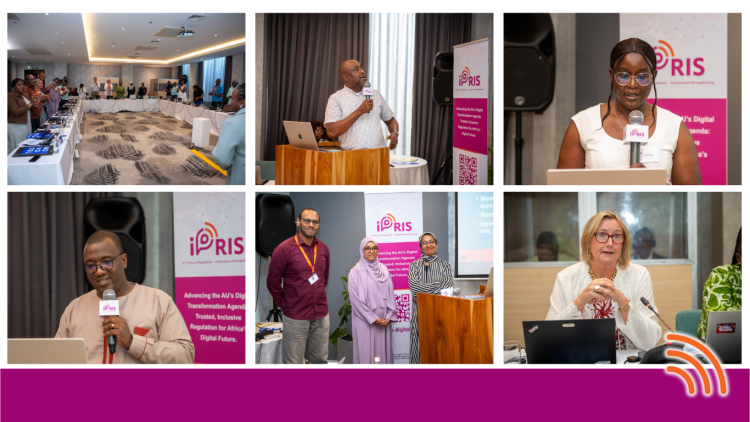
On the final day of the Nairobi cohort, National Regulatory Authorities presented their Way Forward, outlining next steps for implementing their Change Initiatives and sustaining collaboration beyond the workshop. Regulators emphasised the importance of maintaining momentum through continued peer learning and follow‑up engagements. One key point noted by the telecom regulators from other countries was Tanzania’s initiative under TCRA, which focuses on improving digital access for persons with disabilities — a model seen as vital for all regulators to consider in their own contexts. Melvin King (NatCA) remarked that Tanzania’s CI is particularly important for every country to hear, as it demonstrates how inclusive digital systems can transform lives. The session also featured virtual contributions from alumni and telecom experts, reinforcing the shared commitment to practical progress and long‑term impact across the continent.
Strengthening Africa’s regulatory leadership
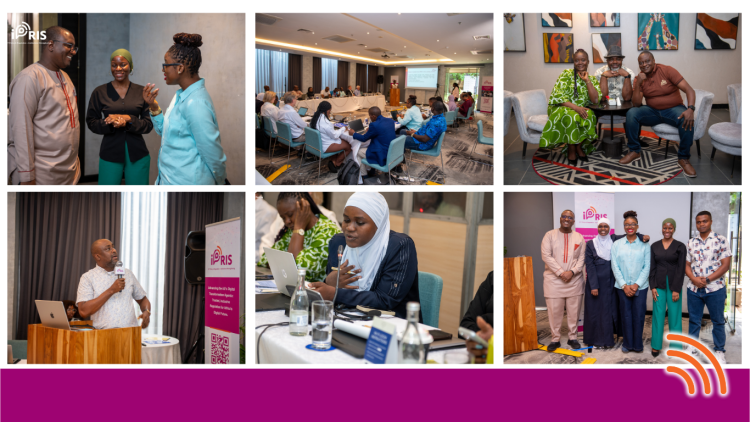
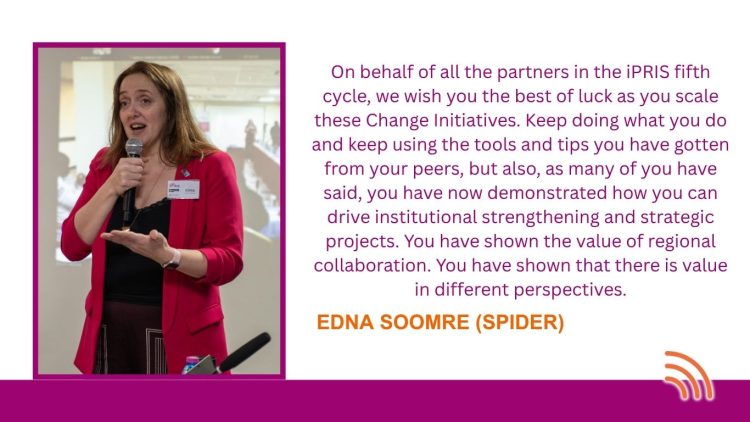
The Change Initiatives presented across the cohort reflect a growing movement toward stronger, more collaborative regulatory leadership in Africa. By addressing real institutional gaps and prioritising inclusive, forward‑looking solutions, African telecom regulators are contributing to a more resilient digital ecosystem. The expected impact goes beyond national reforms, it builds a foundation for regional cooperation, shared learning, and citizen‑focused regulation. As these initiatives move into implementation, they signal a collective commitment to shaping Africa’s digital future through innovation, accountability, and people‑centered governance.
Watch highlights from Nairobi below
iPRIS is coordinated and implemented by SPIDER in strategic and technical partnership with the Swedish Post and Telecom Authority (PTS), Institut luxembourgeois de régulation (ILR), Autoridade Nacional de Comunicações (ANACOM), as well as ARTAC, CRASA, EACO, and WATRA.
iPRIS is funded by the European Union, Sweden, and Luxembourg as part of the Team Europe Initiative “D4D for Digital Economy and Society in Sub-Saharan Africa” (Code: 001).