Lomé, Togo, played host to the 21st seminar of Fratel, the network of French-speaking telecom regulators, on May 21-22, 2024. The event was organized by the Togolese national regulator ARCEP TOGO and the Congolese national regulator ARPCE, the current president of Fratel. The seminar welcomed 18 Fratel members including ILR, the technical partner for the French-speaking rounds of iPRIS, SPIDER, and various industry players. The theme of the seminar was "The data economy and mobile payment: what are the technical and economic regulatory challenges?"
With the acceleration of digitization, data access and exchange have become crucial to economic and social development. It is essential to create a secure environment to encourage the sharing and effective use of data, notably through open access. At the same time, the dramatic increase in data production has stimulated the development of data storage and processing infrastructures, particularly via the cloud, on a global scale.
In a world where every click, every transaction generates an avalanche of data, understanding and regulating this flow is becoming essential. The seminar kicked off with an inspiring presentation by Cina Lawson, Togo's dynamic Minister for the Digital Economy. She captivated the audience with a compelling vision of Togo's digital transformation, highlighting groundbreaking initiatives that are setting new standards in the region.
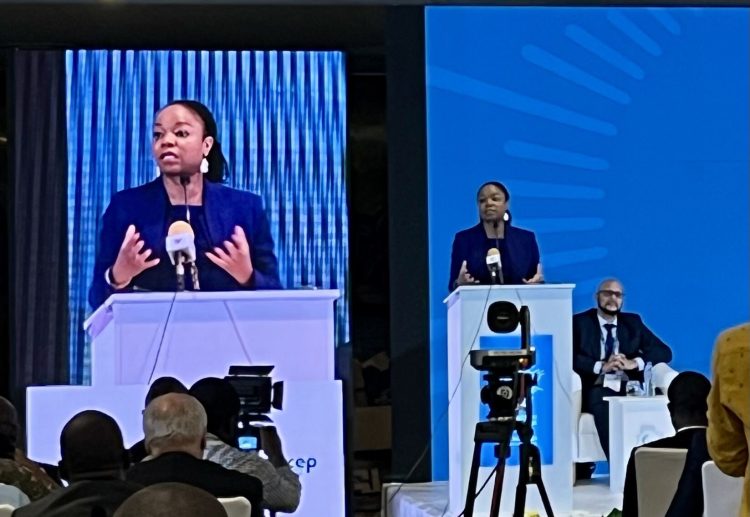 Cina Lawson, Minister of Digital Economy, Togo. ©
The seminar was structured around three main panels, each addressing crucial aspects of regulation in the digital economy.
Data economy development
The first panel focused on the development of the data economy, a key issue in the digital age. The data economy refers to all economic activities and processes based on the use of data. It encompasses various practices, technologies and business models centered on the collection, analysis, sharing and use of data to create value.
This first panel, chaired by Marc SAKALA, Managing Director of ARPCE in the Republic of Congo, was introduced by David Guitton, Attorney at Jones Day.
As David Guitton astutely noted, "The data economy implies valuing data. It is the use of data that determines its value".
He stressed the importance for the State to provide a technical and legal framework governing access to data, and a regulatory framework enabling access to data between players (associations, labels, groupings...).
Ms. Laure de la Raudiere, President of ARCEP France, emphasised the importance for Europe of ensuring that digital transformation benefits European citizens and businesses. The seminar was structured around three main panels, each addressing crucial aspects of regulation in the digital economy.

Having explored the fundamental aspects of the data economy, the seminar progressed to the second panel, which looked at an equally crucial theme: "What public interventions to remedy potential market failures in data storage and processing. "
Public intervention in Data storage and processing
The data storage and processing market refers to all the services, technologies and solutions that enable companies and organisations to store, manage and process their data efficiently and securely. It was chaired by Luc TAPELLA, President of ILR (Luxembourg). In her introduction to the session, Ms Rihab RABBAJ, Analyst at Cullen International, highlighted the fundamental aspects and challenges of cloud computing services.
Among the speakers, Daniel ANOUGBA, Head of "Infrastructure Sharing and Access" at RTCI Côte d'Ivoire, focused on data processing market failures, initiatives taken and future prospects in his presentation.
Achille HUNYO, Service and Productivity Supervising Engineer at Ecobank, gave a presentation on public interventions to remedy potential failures in the data storage and processing market.
Jean Francis AHANDA, General Manager DATA CENTER services at ST digital, emphasized: "It is now accepted that the massification of data produced and its circulation are revolutionizing the economy. At once a strategic asset and a decision-making, action and production tool for companies, data is at the root of new decision-making processes and unprecedented alliance strategies between companies in different sectors, just as much as it is provoking new confrontations between economic players." Read more

After gaining a clear understanding of the challenges and interventions required in the data storage and processing market, the seminar then turned its attention to a hot topic: mobile payments.
Sharing experiences on mobile paymentsc
This third panel provided an opportunity to exchange experiences and perspectives, highlighting how this technology is revolutionising financial transactions and promoting economic inclusion. Mobile payments refer to financial transactions carried out using mobile devices such as smartphones and tablets. They enable users to purchase goods and services, transfer money and manage their finances via mobile applications or services.
With insightful keynote speaker Vinyo CAPO, Director of Markets and Data Regulation at ARCEP TOGO, the third panel plunged into the fast-changing world of mobile payments. Mawuli COUCHORO set the scene with a powerful introduction highlighting both the immense opportunities and formidable challenges presented by this technology.
This was followed by contributions from :
Régis ONDO MORO, Director of Markets at ARCEP GABON, who emphasised:
"It should be noted that Mobile Money enables greater financial inclusion of populations through its ability to offer financial services, particularly in rural areas, enabling inequalities to be reduced."
Mrs. Fatou Gueye, Deputy Director of Means and Payment Systems at BCEAO, cited examples of initiatives in certain countries, such as offering free access to certain essential services (the case in South Africa), promoting low-cost data offers for low-income users (the case in India), and deploying free wifi access points (the case in Kenya).
Mr. Sefa HUSUNUKPE, Mobile Money Director at Togocom, gave a brief overview of the mobile payment ecosystem in Togo. According to him, the available offers are still insufficient due to a number of challenges, namely: users' preference for liquidity, limited literacy and low levels of financial education, user identification, user security, and the compartmentalization of the ecosystem.
Achille Tefong VAUMI, Market Engagement Manager for the Mobile Money Program in Francophone Africa at the GSMA, presented an overview of mobile money, with figures supporting its overall growth in Africa, and the GSMA's position on interoperability in mobile money. Interoperability in mobile money refers to the ability of different mobile payment systems and financial networks to work together seamlessly. This enables users to transfer funds, make payments and receive money between different mobile money platforms, banks and other financial services.

In closing, Fratel's seminar in Lomé was not only a platform for intellectual exchange, but also an opportunity for SPIDER and ILR to exchange views with the regulators who will be taking part in the first French-speaking iPRIS cycle, which will begin with training in Luxembourg next September.
In addition to the high-level panels, participants visited ARCEP Togo's headquarters and were impressed by their data collection and analysis capabilities, as well as the availability of data for the general public. Togolese culture was also on show.
Fratel, the French-speaking telecommunications regulation network created in 2003, aims to contribute to training and collaboration between its members. In 2024, Fratel will be chaired by ARPCE Congo, and in 2025 by ARCEP Gabon.
Umuntu ngumuntu ngabantu (I am because you are). Happy Africa Day!
As we commemorate Africa Day on May 25th, a significant event that celebrates achievements and acknowledges current progress towards Agenda 2063, we are reminded of the essence of Ubuntu. This African philosophy underscores the power of collaboration and the value of collective effort and resonates deeply with the collaborative spirit of iPRIS.
AGENDA 2063 is Africa’s blueprint and master plan for transforming Africa into the global powerhouse of the future. It is the continent’s strategic framework that aims to deliver on its goal for inclusive and sustainable development and is a concrete manifestation of the pan-African drive for unity, self-determination, freedom, progress and collective prosperity
iPRIS aims to bridge the digital divide by enhancing digital connectivity across Sub-Saharan Africa and by creating opportunities for knowledge exchange amongst African countries and between the EU and Africa. Collaboration is the key to catalysing inclusive access and propelling digital opportunities to achieve prosperity and sustainability.
During the ongoing phase in Sweden, the second cohort of iPRIS, consisting of national regulators of Tanzania, Uganda, South Africa, Rwanda, Lesotho, Mauritius, and the Gambia, actively engaged in peer-to-peer learning sessions. This interactive platform facilitated the sharing of experiences with their fellow African and European counterparts and fostered a deeper understanding of the regulatory landscape in the telecommunications sector in Africa, Sweden (Swedish Post and Telecom Authority) and other countries in the European Union.
For the past two weeks now, in the true spirit of Ubuntu, the ICT regulators have been collaborating and boosting their technical abilities to shape and implement regulatory frameworks in the telecommunications sector in their respective countries.
The regulators have also evaluated their current country contexts and will work on change initiatives for the next 11 months. Change initiatives are strategic projects to bridge the digital divide by addressing challenges and opportunities within the ICT sector. They are the cornerstone of iPRIS and are specifically designed to align with the strategic agendas of regulatory bodies. The change initiatives focus on policy development and implementation linked to key issues within the ICT sector, such as infrastructure gaps, regulatory inefficiencies, or digital inclusion barriers
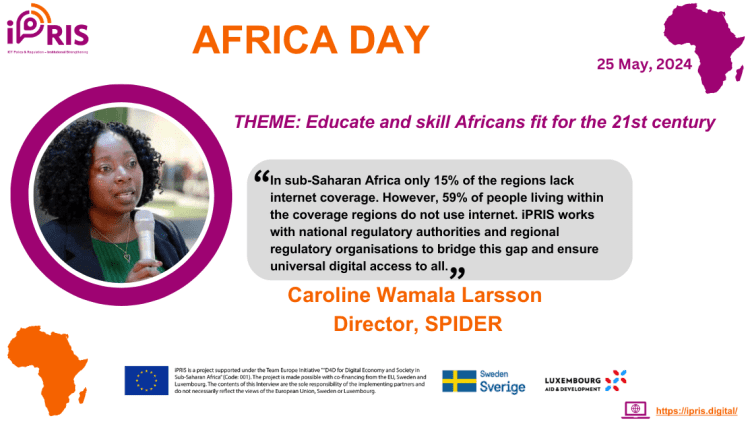
iPRIS targets 43 African countries to enhance inclusive digital connectivity and drive socioeconomic prosperity through Information and Communication Technology (ICT).
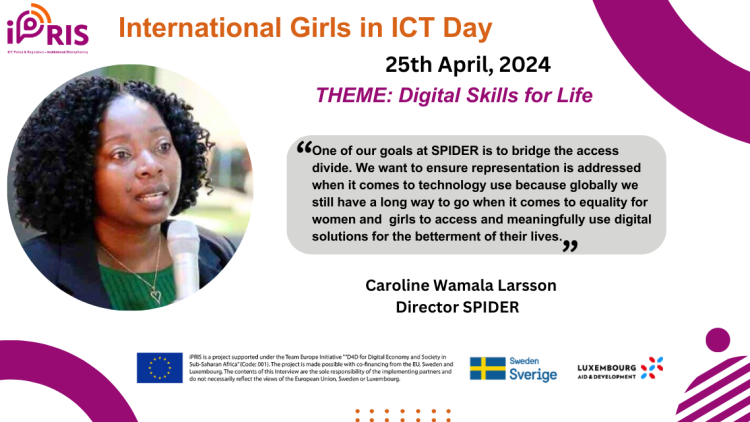
Dr. Caroline Wamala, Director of SPIDER, remarked, “iPRIS recognizes the crucial role of ICT policies and regulations in promoting digital inclusion, equitable internet access, consumer rights protection, and personal data safeguarding.”
The National Regulatory Authorities (NRAs) participating in the iPRIS 2024 May peer to peer training session in Sweden include:
Spotlighting ICT Regulators on Africa Day
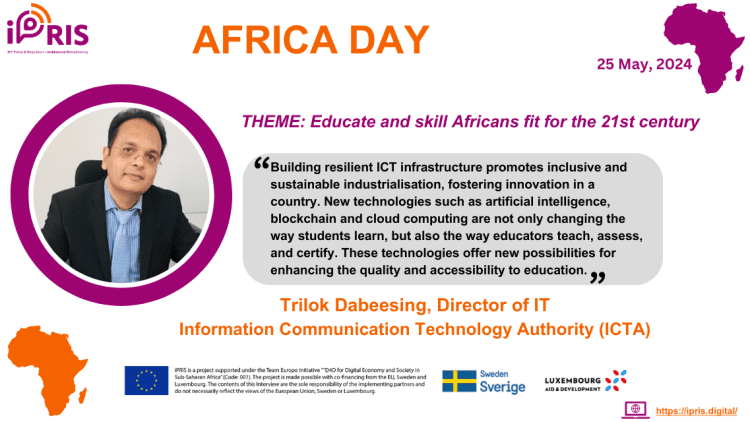
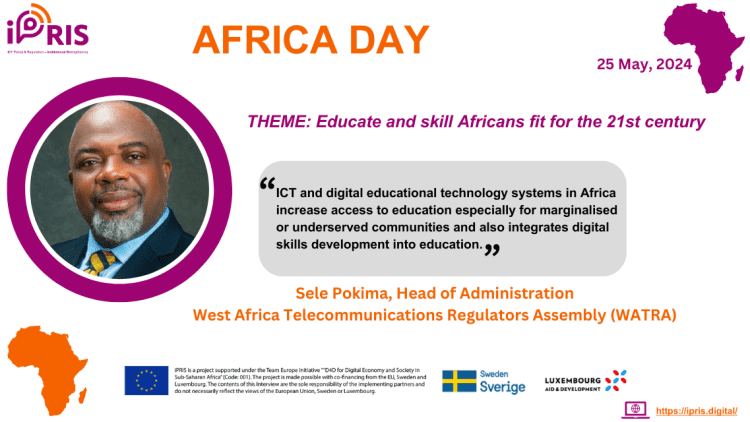
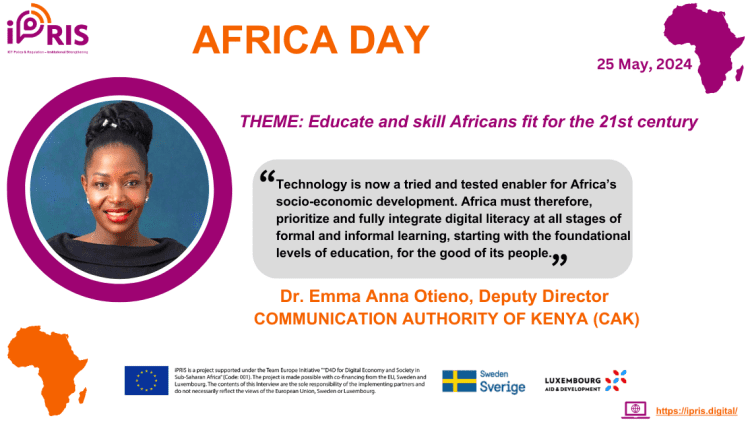
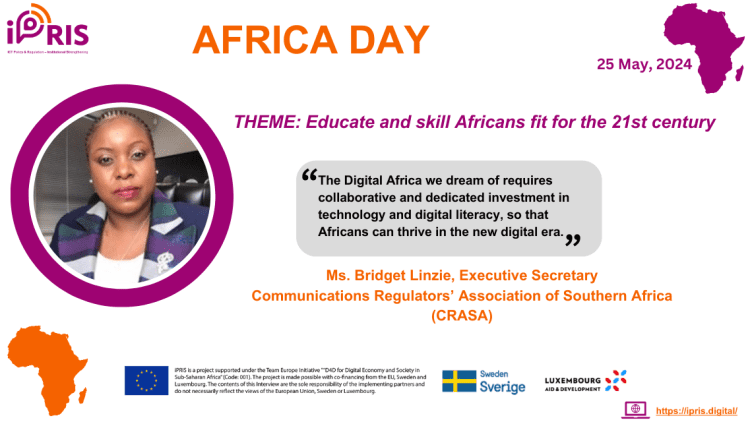
On Africa Day, iPRIS highlights the efforts of these national and regional ICT regulators in championing the importance of ICT for enhancing educational outcomes. Regional and national regulators from the 2023 A and 2024 A cohort share their insights on leveraging digital technologies to drive development, enhance connectivity, and foster digital inclusion across the 43 countries involved in iPRIS.
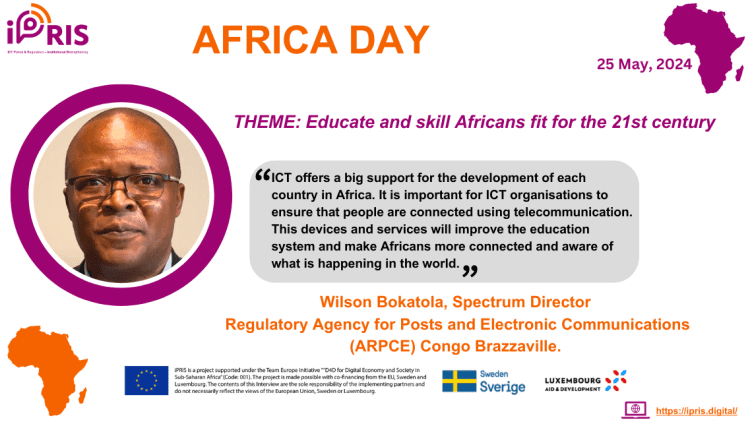
The Importance of Africa’s Digital Revolution
About 60 percent of the Africa continent population is below 25 years. Africa's has an opportunity to reap from the demographic divide and the digital evolution is recognized as a pivotal driver of socio-economic progress, creating employment opportunities, and improving overall well-being. The African Union (AU) emphasizes the transformative impact of digital technologies on the continent.African children and youth are at the forefront of this digital transformation. Access to quality education is fundamental for their development, and digital technologies provide opportunities to enhance the learning experience. However, educators need training, resources, and support to fully realise these benefits to integrate digital methods into their teaching. Schools must also have adequate resources and trained personnel to maintain and update technological equipment, ensuring its functionality and relevance. Empowering the learners with digital literacy skills is crucial to enable them to navigate an increasingly digitized world and participate meaningfully in the global economy.
Investments and policy interventions
Successfully navigating these challenges requires comprehensive policy interventions, significant investment in infrastructure, and robust capacity-building initiatives. By addressing these issues, Africa can harness the transformative power of digital technologies to advance education, promote inclusive development, and bridge the digital divide. As Africa celebrates its achievements and looks forward to future progress on Africa Day, the role of digital technologies in driving socio-economic development is more critical than ever. Initiatives like iPRIS exemplify the collaborative efforts needed to foster digital inclusion and connectivity across the continent, ensuring that all Africans can participate in and benefit from the digital revolution.
About iPRIS
ICT Policy & Regulation – Institutional Strengthening (iPRIS) contributes to bridging the digital divide by boosting the capacities of African telecommunications regulatory bodies. Engaging 43 countries in Africa, iPRIS aims to enhance inclusive digital connectivity and drive social and economic prosperity using ICT.
iPRIS provides peer-to-peer capacity-building for African National Regulatory Authorities and Regional Regulatory Organisations. It stems from the recognition of the significance of ICT policies and regulation in promoting digital inclusion, equitable access to the Internet, consumer rights protection, and personal data safeguarding.
The iPRIS project is implemented by SPIDER (the Swedish Program for ICT in Developing Regions ), The Swedish Post and Telecom Authority (PTS), and the Luxembourg Regulatory Institute (ILR). SPIDER coordinates the project and offers its expertise in the digital international development sector and in Diversity, Equity, and Inclusion (DEI). PTS is regulation content and policy lead for the project. ILR brings its expertise in European regulation and policy for the French speaking countries.
iPRIS is funded by the European Union, Sweden, and Luxembourg as part of the Team Europe Initiative “D4D for Digital Economy and Society in Sub-Saharan Africa” (Code: 001).
We are pleased to announce that a new cohort, comprising seven ICT National Regulatory Authorities (NRAs) from Gambia, Lesotho, Mauritius, Rwanda, Tanzania, Uganda, and South Africa, will commence the iPRIS peer-to-peer learning session in Sweden from 12 to 29 May 2024.
The NRAs represented include The Gambia’s Public Utilities Regulatory Authority (PURA), Lesotho Communications Authority (LCA), Mauritius’ Information and Communications Technology Authority (ICTA), Rwanda Utilities Regulatory Authority (RURA), Independent Communications Authority of South Africa (ICASA), Tanzania Communications Regulatory Authority (TCRA), and Uganda Communications Commission (UCC).
National Regulatory Authorities (NRAs), also called telecom regulators, are official bodies appointed by governments to represent and advocate for the interests and rights of consumers in the digital marketplace. In the information and communication technology (ICT) industry, NRAs develop and enforce policies and regulations that protect consumers, promote fair competition, and encourage innovation.
The project implementors, including SPIDER,PTS and ILR will meet on the 30th May. iPRIS is implemented by SPIDER ( the Swedish Program for ICT in Developing Regions), the Swedish Post and Telecom Authority (PTS), and the Luxembourg Regulatory Institute (ILR).In collaboration with the African Regional Regulatory Organisations, the implementers support the participating National Regulatory Authorities in achieving their strategic change initiatives.
A peer to peer learning approach
iPRIS aims to bridge the digital divide by boosting the capacities of African telecommunications regulatory authorities through peer-to-peer learning.
“iPRIS provides peer-to-peer capacity-building for African National Regulatory Authorities and Regional Regulatory Organisations, said SPIDER Director, Dr Caroline Wamala. “It stems from the recognition of the significance of ICT policies and regulation in promoting digital inclusion, equitable access to the Internet, consumer rights protection, and personal data safeguarding.”
Engaging 43 countries in Africa, iPRIS aims to enhance inclusive digital connectivity and drive social and economic prosperity using ICT. The regulators participating in the project include National Regulatory Authorities and Regional Regulatory Organisations across sub-Saharan Africa.
The 2024 A cohort is the second group of NRAs taking part in the iPRIS training after the first cohort, 2023A, successfully completed the Sweden Phase in November 2023 and the Africa Phase in Zambia in March 2023. Currently, the 2023 A group is busy with their change initiatives, and they are set to complete the program in November 2023.
The 2023 A group comprises of regulators from Communications Authority of Kenya (CAK), Communications Regulatory Authority of Namibia (CRAN), Eswatini Communication Commission (ESCCOM), Sierra Leone National Communication Authority (NatCA), National Communication Authority of South Sudan (NCA), Nigeria Communication Commission (NCC), and Zambia Information and Communication Technology Authority (ZICTA).
Read the first edition of the iPRIS Newsletter here
The training approach
The two and a half week long peer to peer training programme in Sweden covers a wide range of topics on the Joint European Offer, Project management, gender, equality and incluson The topics covered in the Joint European offer include, institutional and legal framework, competition for a dynamic market, end user protection, spectrum management and secure communications.
During the training, the NRAs from Africa will have an opportunity to share insights and witness technical aspects/ regulatory approaches from their European counterparts. The training programme also includes a site visit to the VASA Museum, PTS, and Ericsson.
Change Initiatives
The comprehensive training is designed to equip participants with the skills and insights they need to develop change initiatives to drive meaningful change within their regulatory bodies. Change Initiatives” are strategic projects undertaken by NRAs during the iPRIS training to bridge the digital divide by addressing challenges and opportunities within the ICT sector. They are the cornerstone of iPRIS and are specifically designed to align with the strategic agendas of regulatory bodies. The change initiatives focus on policy development and implementation linked to key issues within the ICT sector, such as infrastructure gaps, regulatory inefficiencies, or digital inclusion barriers
After the Sweden training a regional support team, with representatives from African RROs, collaborates with the national regulators to support the implementation of their change initiatives, thus promoting regional harmonisation.
The 2024 A cohort will meet up for one week after four months in one of the African countries represented in their group for the Africa phase. This week-long meeting will provide a platform for participants to review progress, share results, and engage in discussions to enhance their change initiatives (CIs) further. One year after the round begins (June 2024), the efficacy and progress of the change initiatives implemented by the participating NRAs will be examined and evaluated.
For more information please contact,
Ms. Edna Soomre, Project Lead iPRIS
ipris@spidercenter.org
The "Bridging the Gender Digital Divide" webinar, hosted by the Africa Union (AU) and Africa Renewal, addressed the pressing issue of reducing the digital gender gap in Africa. Chido Mpemba, the African Union Youth Envoy, the youngest diplomat and senior official in the African Union Chairperson's Cabinet, moderated the webinar. The panel consisted of diverse experts, each bringing a unique perspective in and around the digital space. The keynote speakers were Mbali Hongwane, the founder and CEO of Pink Codrs Africa; Ruth Mtuwa, the co-founder of DroneX Technologies; and Dr Emmanuel Manasseh, the acting director for the International Telecommunications Union in Africa.
Key speakers emphasised government policies, digital skills development, and investment in infrastructure. The webinar, brought together experts and stakeholders to discuss strategies for reducing the digital gender gap in Africa and the challenges women face in the technological space. Here are some highlights from the webinar:
Government policies and framework
Key to focus is the crucial role of government frameworks in creating inclusive, diverse, and transformational policies. Emmanuel Manasseh said, "To increase the representation of women in technological sectors, governments must create policies, backed by data, to ensure that more girls are taking STEM courses in schools all over Africa."
The gender digital divide remains a pressing issue in the world's less developed countries. According to the International Telecommunication Union (ITU), internet access globally is 65% for women versus 70% for men. This gap is especially widened in Africa, with 32% of women accessing internet use, compared to 42% of men, indicating a 10% divide. In Africa, the disparity in digital access is particularly concerning, given the overall low internet and digital technology adoption levels. This underscores the urgent need for targeted interventions to ensure digital inclusion for all.
Mbali Hlongwane, the Founder and CEO of Pink Codrs Africa, which has mentored over 500 young girls with the necessary digital skills in South Africa, highlighted the importance of encouraging the early development of technological skills in African youth, particularly women. "Preparing young women for digital transformation starts with equipping young African women with the tech skills needed in the technological spaces."
Barriers to the digital world
During the webinar, some key challenges were discussed, including the lack of accessibility to technological platforms, the lack of proper digital infrastructure in most African countries, the high cost of internet access, limited access to information, and the influence of cultures and perspectives towards women's education in Africa. "For women to overcome these barriers in the digital space, we must work towards providing these digital platforms, come up with a holistic and inclusive approach, and take up steadfast leadership roles as women to empower young girls", said Ruth Mtuwa, the co-founder of DroneX.
Skills for the future
A major focus of the webinar was developing digital skills for the future. As a developing continent, Africa's role in digital development will have to scale up to create digital literacy, which will produce competent digital professionals capable of driving innovation and economic growth.
Africa's youthful population is a significant asset, with over 60% of the continent's population under 25. However, despite this demographic advantage, there is a pressing need to improve digital literacy rates among young people. According to the International Telecommunication Union (ITU), only 6 per cent of children and young people in low-income countries have internet access compared to 87 per cent in high-income countries. This disparity underscores the importance of investing in digital education and training programs to equip Africa's youth with the skills they need to succeed in the digital space.
"According to the World Economic Forum, 50% of employees will need to be reskilled by 2025," said Mbali Hlongwe, highlighting the importance of time consciousness in creating an ideal digital environment for young African women.
Women Leaders in Digitalisation
The panellists emphasised the crucial role of governments and the private sector in reducing the gaps in the digital space. Policies should encourage women to assume leadership roles in the digital sector. This will ensure digital inclusivity is not limited to words on paper but is implemented on the ground. Furthermore, it will encourage more young women to pursue careers in the digital sphere.
Investment in Digital Spaces
The webinar also discussed government and private sector investments. Chido Mpemba underscored the importance of targeting young girls, providing them with high-quality training, and further investing in them. It underscores the importance of mentoring young girls to prepare them for positions within the digital sector in Africa.
Ruth Mtuwa stated , "Young women must also have the digital literacy and skills to occupy these positions so that they are not merely given these opportunities simply because they are women, but because they are qualified and highly skilled".
Conclusion
Bridging the gender digital divide in Africa requires concerted efforts from governments, the private sector, and civil society. This includes creating inclusive policies, investing in digital literacy and training programs, and empowering women to take leadership roles in the digital sector.
Collaboratiive efforts such as iPRIS aims to bridge the digital divide by boosting the capacities of African telecommunications regulatory authorities through peer-to-peer learning. The regulators participating in the project include National Regulatory Authorities and Regional Regulatory Organisations across sub-Saharan Africa.iPRIS is implemented by SPIDER (the Swedish Program for ICT in Developing Regions), the Swedish Post and Telecom Authority (PTS), and the Luxembourg Regulatory Institute (ILR). In collaboration with the African Regional Regulatory Organisations, the implementers support the participating National Regulatory Authorities to achieve their strategic change initiatives.
Every year on the third Thursday in April, the world celebrates International Girls in ICT Day. Girls in ICT Day is celebrated to raise awareness about the importance of promoting girls' participation in the field of Information and Communication Technology (ICT) using strong female role models in ICT-related fields and science, technology, engineering, and mathematics (STEM) careers.
Like many regions, Africa faces a significant gender gap in the ICT sector. Girls in ICT Day raises awareness about this gap using role models to encourage girls to consider careers in technology, thereby helping to address disparities in access to and participation in the ICT industry. According to ITU, Digital technologies are an essential pathway to gender equality and empowerment of all women and girls. Achieving the United Nations Sustainable Development Goals (SDGs) will not be possible until we close the digital gender gap.
Africa's economy is increasingly reliant on technology and digital innovation. Encouraging more girls to enter the ICT sector helps to build a skilled workforce capable of driving innovation and economic growth in the region.
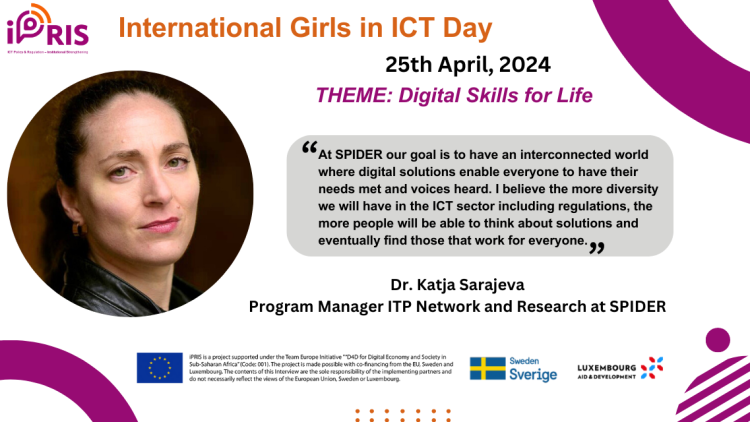
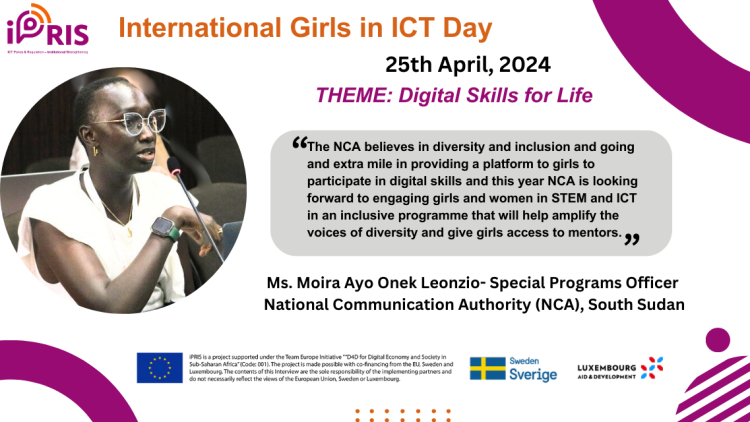
This year, we have put together a digital campaign that features voices of leading women in ICT drawn from National Regulatory Authorities (NRAs) and iPRIS partner organisations across Africa.
2. Dr. Caroline Wamala-Larsson (Director of SPIDER)
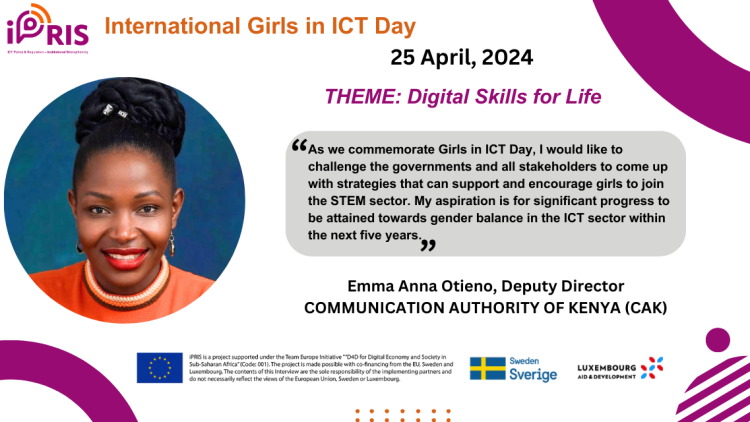
3. Dr. Emma Anna Otieno (Deputy Director, Communications Authority of Kenya)
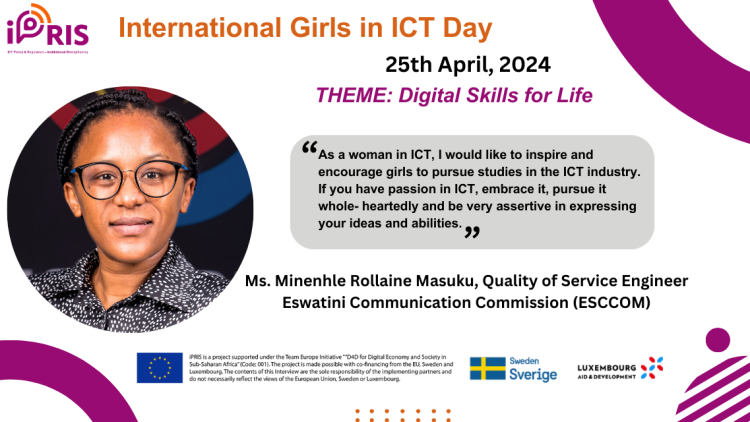
4. Ms Minenhle Rollaine Masuku (Quality Services Engineer Eswatini Community Commission (ESCCOM)
5. Dr. Katja Sarajeva (Program Manager ITP Network and Researcher at SPIDER)
The role of iPRIS
ICT Policy & Regulation – Institutional Strengthening (iPRIS) contributes to bridging the digital divide by boosting the capacities of African telecommunications regulatory bodies. Targeting 43 countries in Africa, iPRIS aims to enhance inclusive digital connectivity and drive social and economic prosperity using ICT.
iPRIS is funded by the European Union, Sweden, and Luxembourg as part of the Team Europe Initiative “D4D for Digital Economy and Society in Sub-Saharan Africa” (Code: 001). The project aims to provide inclusive peer-to-peer capacity-building for African National Regulatory Authorities and Regional Regulatory Organisations, recognising the significance of ICT policies and regulation in promoting digital inclusion, equitable access to the Internet, consumer rights protection, and personal data safeguarding.
By highlighting the achievements of women in ICT and providing role models for young girls, the iPRIS girls in ICT campaign helps to break down notable barriers such as:
Addressing the gender gap
Efforts to address the gender gap in ICT in Africa include initiatives to promote STEM education for girls, provide digital skills training and mentorship programs, support women's entrepreneurship in the technology sector, and advocate for policies and practices that promote gender equality and inclusivity in the ICT workforce.
While progress has been made in some areas, there is still much work to be done to ensure that women and girls in Africa have equal opportunities to participate and succeed in the ICT sector. Continued investment in education, skills development, and gender-responsive policies and programs is essential for closing the gender gap and harnessing the full potential of Africa's digital economy. Girls in ICT Day encourages girls to pursue their interests in technology without fear of discrimination or bias.
For more media related queries/ more information about iPRIS
Please contact,
Ms.Edna Soomre - Project lead, iPRIS
Email: ipris@spidercenter.org
www.ipris.digital
The 13th AGM of The Communication Regulators’ Association of Southern Africa CRASA was held from 11- 13 April 2024 at the Royal Villas Hotel in Ezulwini, Kingdom of Eswatini. The AGM was be hosted by the Eswatini Communications Commission (ESCOM).
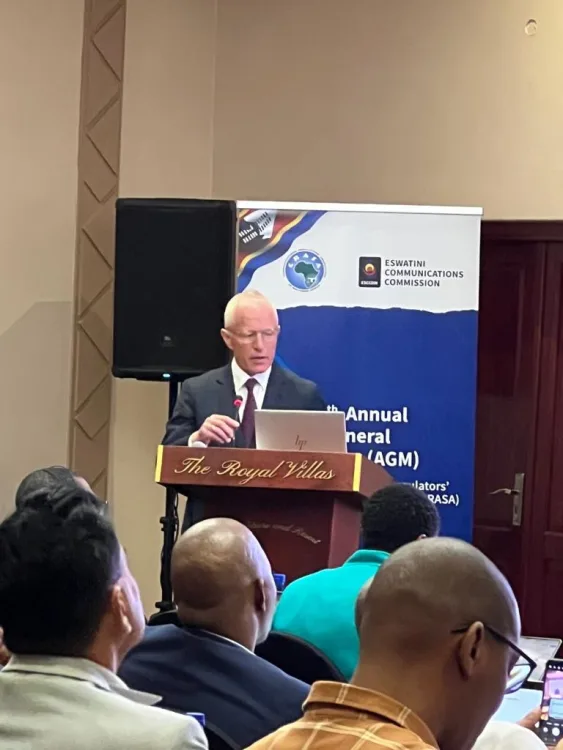
Dr. Bengt Mölleryd on the podium during the Annual General Meeting. Photo courtesy of iPRIS.
CRASA organised a pre-AGM conference from the 8th to 10th of April 2024, themed “Innovation for Better Regulation”, which will also be hosted at the same venue. During the conference, Bengt Möllerydfrom SPIDER delivered a keynote presentation on the barriers to technological innovation.
(CRASA) is a forum for information and communications technologies (ICT) and postal regulators in Southern Africa. CRASA is a specialised agency of the Southern African Development Community (SADC) and was set up in 1997 within the framework of the Southern Africa Development Community (SADC) Protocol on Transport, Communications and Meteorology (1995). CRASA consists of four institutions: the Annual General Meeting (AGM), the Executive Committee (EC), the Specialized Committees, and the Secretariat. The RRO has 14 ICT and postal regulators from the SADC Region who are members of CRASA.
The Innovation for Better Regulation Conference
Over the years, the regulation landscape has undergone significant changes, influenced by technological advances, shifts in consumer demands and expectations, and evolving business models. To keep pace with this dynamic environment, CRASA Members must embrace innovation to enhance regulatory effectiveness, efficiency, and adaptability as regulators of the electronic communications and postal sectors.
Enhancing innovation in executing regulatory mandates is imperative in our increasingly digital and interconnected world. The Innovation for Better Regulation Conference will, therefore, tackle the following pertinent questions through interactive presentations, panels and roundtable discussions moderated by subject-matter experts from all over the world:
The Provisional Conference programme can be accessed on the link:
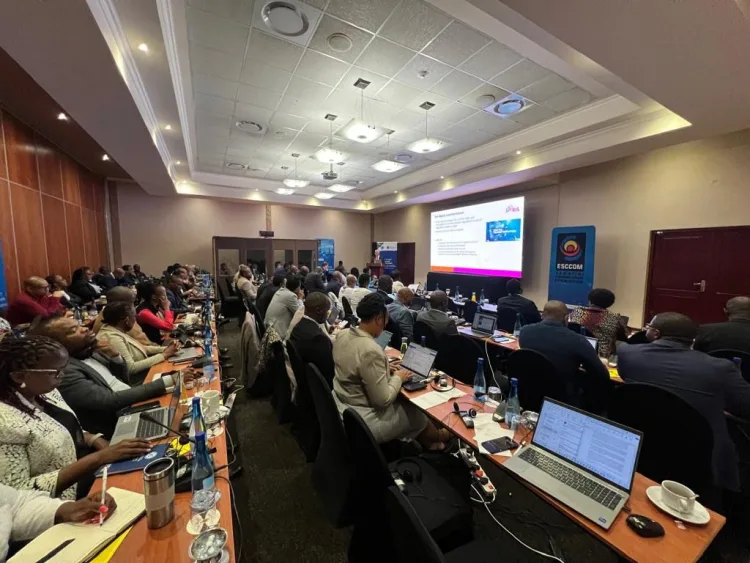
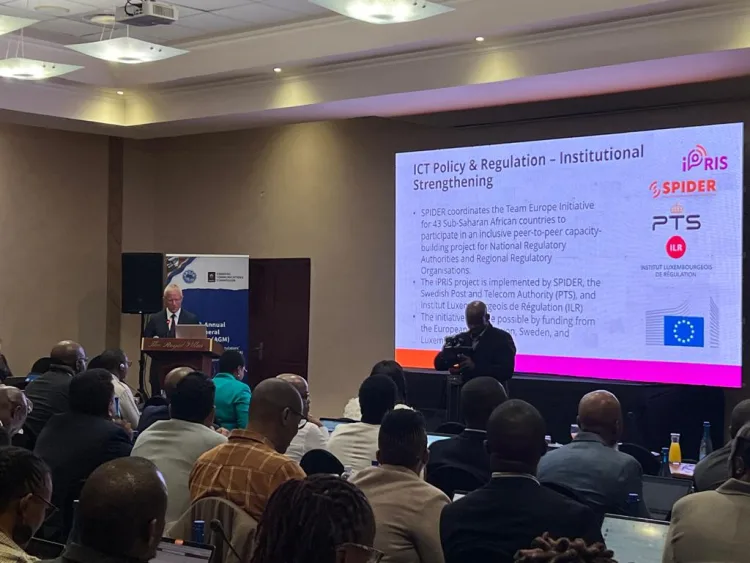

The second day of the iPRIS Africa Regional peer-to-peer capacity building workshop for the 2023 A cohort included sessions on cybersecurity, risk assessment for 5G networks, project management, and broadband deployment.
About iPRIS
ICT Policy & Regulation – Institutional Strengthening (iPRIS) is a capacity-building project that focuses on boosting the capabilities of National Regulatory Authorities (NRAs) and Regional Regulatory Organisations across Sub-Saharan Africa. Targeting 43 countries in Africa, iPRIS aims to enhance digital connectivity and drive social and economic prosperity using ICT. Building on the success of the ICT Regulation Policy and Practice (ITP) program by SPIDER and the Swedish Post and Telecom Authority (2016-2022), iPRIS marks a strategic leap forward, focusing on empowering National Regulatory Authorities in Sub-Saharan Africa, boosting their capacity to shape and implement regulatory frameworks, especially in telecommunications..
The iPRIS project is implemented by The SPIDER (the Swedish Program for ICT in Developing Regions ), The Swedish Post and Telecom Authority (PTS), and the Luxembourg Regulatory Institute (ILR).
iPRIS is funded by the European Union, Sweden, and Luxembourg as part of the Team Europe Initiative “D4D for Digital Economy and Society in Sub-Saharan Africa” (Code: 001). The project aims to provide inclusive peer-to-peer capacity-building for National Regulatory Authorities (NRAs) and Regional Regulatory Organisations (RROs), recognising the significance of ICT policies and regulations in promoting digital inclusion, equitable access to the Internet, consumer rights protection, and personal data safeguarding.
Here are some photo highlights from day 2 of the iPRIS Africa Region peer to peer workshop :
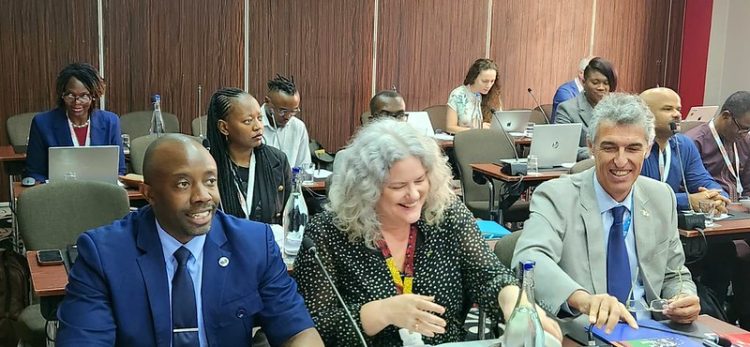
Front from left: Eng. Choolwe Andrew Nalubamba, Ms. Susanna Hughes, Mr Caludio Bacigalupi
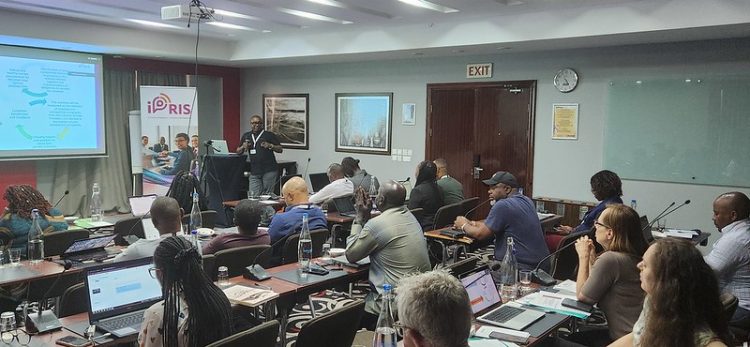
Benson Kekeocha (NCC) presenting CI progress in Zambia
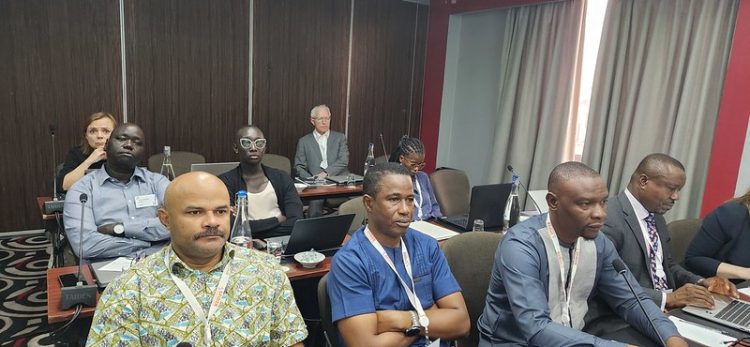
Front row from left: Shaka Sasha Essa, Abdul Bah, Thomas Mohamed Jusu (NatCA), Benson Kekeocha (NCC), Middle row from left: David Deng Kuol, Moira Ayo Onek Leonzio (NCA), Back row from left: Kerstin Borglin, Dr. Bengt Mölleryd (SPIDER)
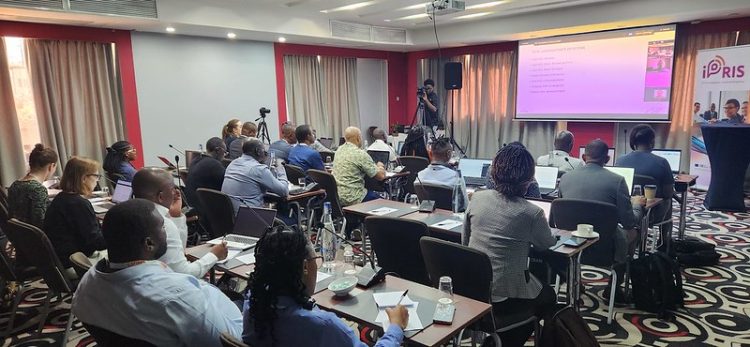
Participants during a presentation in Lusaka, Zambia
The intensive four-day regional peer-to-peer capacity-building workshop (2023-A cohort) took place (March 18-22) in Lusaka, Zambia. The participants included seven of the 43 National Regulatory Organisations (NRAs) covered by iPRIS and representatives from the Regional Regulatory Organisations (RROs), in Africa including CRASA, WATRA, ARTAC and EACO (NRAs). The NRAs representatives include delegates from Kenya, South Sudan, Eswatini, Zambia, Sierra Leone, Nigeria and Namibia. This peer-to-peer capacity-building session followed the intensive Europe Regional session held in November 2023 in Sweden.
To be part of iPRIS, a country has to be part of a Regional Regulatory Organisation (RRO), notably CRASA, WATRA, ARTAC, and EACO. RROs are the regional governing bodies responsible for developing and enforcing ICT regulations, policies, and standards to promote fair competition, ensure consumer protection, and foster development and innovation within their respective sectors.
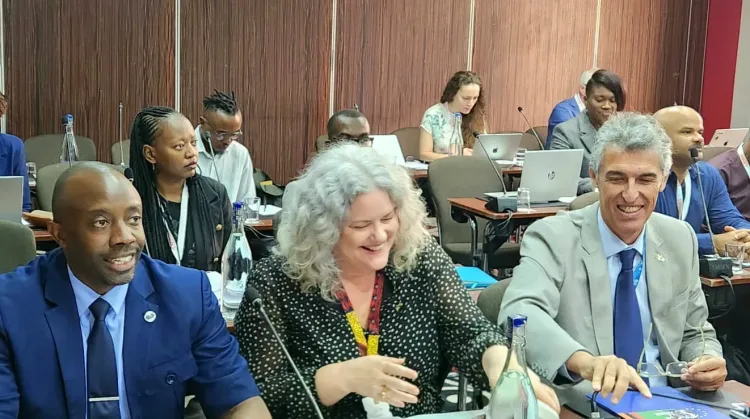
Eng. Choolwe Nalubamba, Director General of ZICTA, Susanna Hughes from the Embassy of Sweden in Zambia, and Claudio Bacigalupi from the European Union. Photo credit: iPRIS
During the opening on Monday 18th March, Claudio Bacigalupi from the European Union underscored the importance of collaboration in achieving regional harmonisation and creating a more conducive environment for innovation, investment, and cross-border digital services.
Bacigalupi further added, “We want to have peer-to-peer cooperation between the European Union and African ICT regulators and this is of utmost significance in achieving regional harmonisation. We are very happy to collaborate with Sweden and Luxembourg on this task; their collaborative approach can bring considerable benefits, including a more seamless digital ecosystem, enhanced Cross Border Services and greater opportunities."
Susanna Hughes from the Embassy of Sweden in Zambia remarked, “As you may know, even though Africa's share of the world's population is now 17%, its share of global trade is only 3%. There are many challenges to strengthening regional trade in order to achieve the aspirations of the African continental free trade area. She stressed the importance of ICT regulation as one of the important parts of the puzzle towards creating an interconnected digital ecosystem. “It's clear that better regional ICT harmonisation can strengthen cross-border digital services and economic growth. So while the challenges are many, the potential benefits are great”, she remarked. In her conclusion, Susanna Hughes stated, “As regulators, you will have an important responsibility to encourage competition while also ensuring digital inclusion and accessibility.”
During his address, Eng. Choolwe Nalubamba, Director General of ZICTA and host for the week stated, “Zambia has been one of the longest beneficiaries of the project, and there are a few issues that we can point to that we have benefited from this partnership, which include the work that we're doing under the digital financial services.”

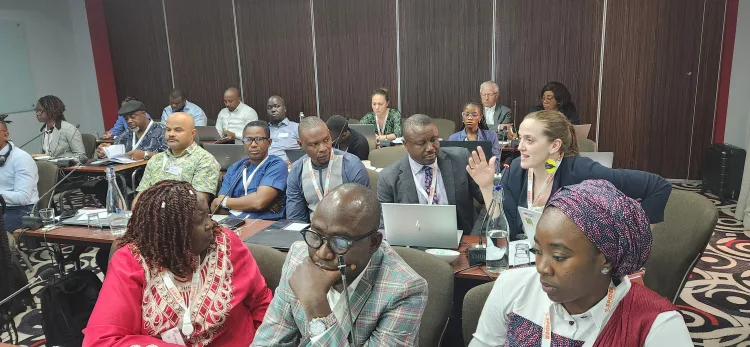
The second day of the iPRIS Africa Regional peer-to-peer capacity building workshop for the 2023 A cohort) included sessions on cybersecurity, risk assessment for 5G networks, project management, inclusion and broadband deployment.



iPRIS aims to bridge the digital divide by boosting the capacities of African telecommunications regulatory authorities through peer-to-peer learning. The regulators participating in the project include National Regulatory Authorities and Regional Regulatory Organisations across sub-Saharan Africa.
iPRIS is implemented by SPIDER (the Swedish Program for ICT in Developing Regions), the Swedish Post and Telecom Authority (PTS), and the Luxembourg Regulatory Institute (ILR). In collaboration with the African Regional Regulatory Organisations, the implementers support the participating National Regulatory Authorities to achieve their strategic change initiatives.
iPRIS is funded by the European Union, Sweden, and Luxembourg as part of the Team Europe Initiative “D4D for Digital Economy and Society in Sub-Saharan Africa” (Code: 001).
The inaugural iPRIS Europe phase training was held in Stockholm, Sweden, from November 12th to 29th, 2023. Participants represented seven of the 43 National Regulatory Organisations (NRAs) in iPRIS: Communications Authority of Kenya (CAK), Communications Regulatory Authority of Namibia (CRAN), Eswatini Communication Commission (ESCCOM), Sierra Leone National Communication Authority (NatCA), National Communication Authority of South Sudan (NCA), Nigeria Communication Commission (NCC), and Zambia Information and Communication Technology Authority (ZICTA).
The workshop provided an opportunity for expert presentations and peer-to-peer exchange among regulators from Europe and Africa.The following regulatory topics under the Joint European Offer were explored:
Institutional and Legal Framework
This topic includes the following sub-areas:
Competition Regulation for a Dynamic Market
This topic includes the following sub-areas:
End User Protection
The following subtopics are explored:
This JEO topic includes the following sub-topics:
Broadband deployment
The topic includes:
Numbering and Addressing
This JEO topic includes:
Secure communications
This topics covers, a theoretical foundation of secure communications, robustness and resilience of the telecom infrastructure, confidential communications, regulation and supervision, and other measures.
New regulatory Issues
This JEA topic includes
Change Initiatives
The participating African Regulatory authorities also developed concepts for change initiatives. Change initiatives are deliberate and structured efforts undertaken to address challenges and opportunities within the ICT sector in SSA. Each initiative is specifically designed to align with the strategic agenda of each regulatory authority and focuses on policy development and implementation.
Change initiatives within iPRIS involve identifying key issues within the ICT sector, such as infrastructure gaps, regulatory inefficiencies, or digital inclusion barriers. The participants also benefited from presentations by experts in project management, gender equality and inclusivity.
The participants also toured Ericsson company in Stockholm

After the 2.5-week training, the participants returned to their countries. The next phase will be a week-long training scheduled to be held in Zambia in March 2024, four months after the European training, to review the progress of the change initiatives, present results, and encourage discussions.
One year after the start of the training round, the implementation of the change initiatives of the participating NRAs will be assessed, fostering continuous improvement.
ICT Policy & Regulation – Institutional Strengthening (iPRIS) aims to bridge the digital divide by boosting the capacities of African telecommunications regulatory authorities through peer-to-peer learning. Engaging 43 countries in Africa, iPRIS aims to enhance inclusive digital connectivity and drive social and economic prosperity using ICT. The regulators participating in the project include National Regulatory Authorities and Regional Regulatory Organisations across sub-Saharan Africa.
iPRIS will contribute to bridging the digital divide by boosting the capacities of African telecommunications regulatory bodies. Engaging 43 countries in Africa, iPRIS aims to enhance inclusive digital connectivity and drive social and economic prosperity using ICT.
iPRIS will build peer-to-peer capacity for African National Regulatory Authorities and Regional Regulatory Organisations. It stems from recognising the significance of ICT policies and regulations in promoting digital inclusion, equitable access to the Internet, consumer rights protection, and personal data safeguarding.
Building on the success of the ICT Regulation Policy and Practice program run between 2016 and 2022 by SPIDER and the Swedish Post and Telecom Authority, iPRIS marks a strategic leap forward. It focuses on empowering telecom regulators across Sub-Saharan Africa, boosting their capacity to shape and implement regulatory frameworks in the telecommunications sector.
The iPRIS project is implemented by SPIDER (the Swedish Program for ICT in Developing Regions ), The Swedish Post and Telecom Authority (PTS), and the Luxembourg Regulatory Institute (ILR). SPIDER coordinates the project and offers its expertise in the digital international development sector and in Diversity, Equity, and Inclusion (DEI). PTS is regulation content and policy lead for the project. ILR brings its expertise in European regulation and policy for the French speaking countries.
iPRIS is funded by the European Union, Sweden, and Luxembourg as part of the Team Europe Initiative “D4D for Digital Economy and Society in Sub-Saharan Africa” (Code: 001).
Over the five-year period, the project aims to enhance digital connectivity and drive social and economic prosperity using ICT across sub-Saharan Africa. The project provides a platform for inclusive peer-to-peer capacity-building for National Regulatory Authorities (NRAs) and Regional Regulatory Organisations (RROs), recognising the significance of ICT policies and regulations in promoting digital inclusion, equitable access to the Internet, consumer rights protection, and personal data safeguarding.
Borgarfjordsgatan 12, Kista,SWEDEN
Postal Address: Stockholm University, Department of Computer and Systems Sciences/DSV, SPIDER, P.O Box 1073, SE-164 25 Kista, Sweden


Copyright © 2025 iPRIS. All rights reserved.