
Latest Updates

News

Regional cooperation in the South: Insights from the CRASA 15th AGM in Malawi

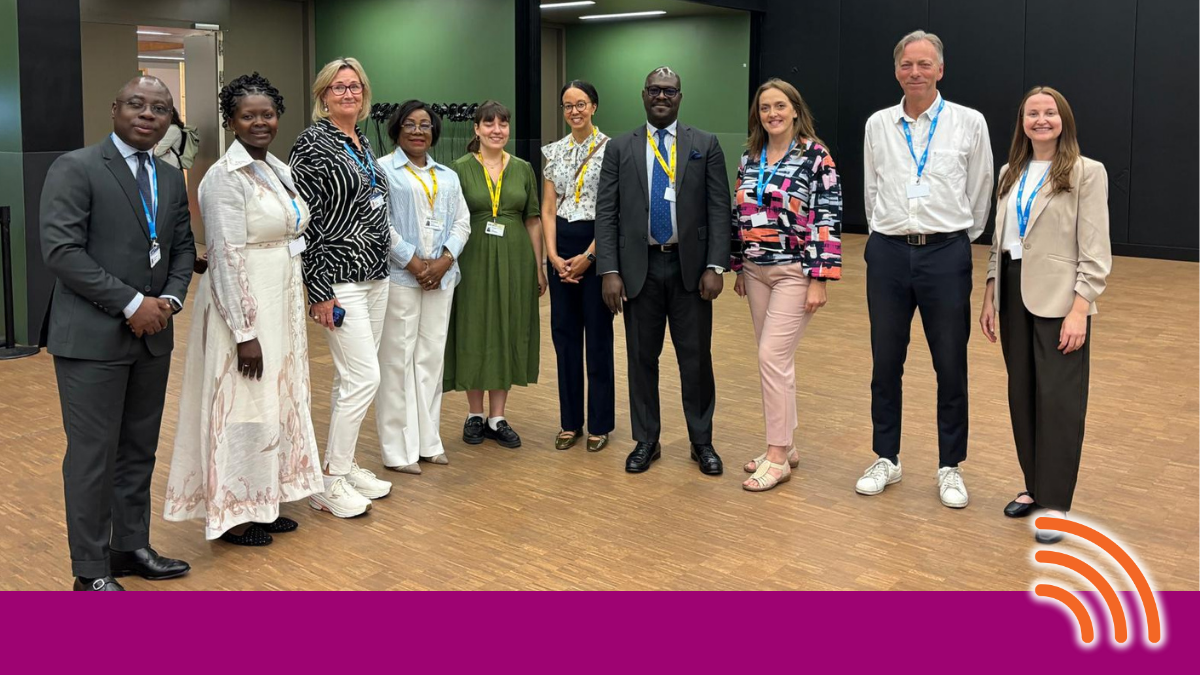
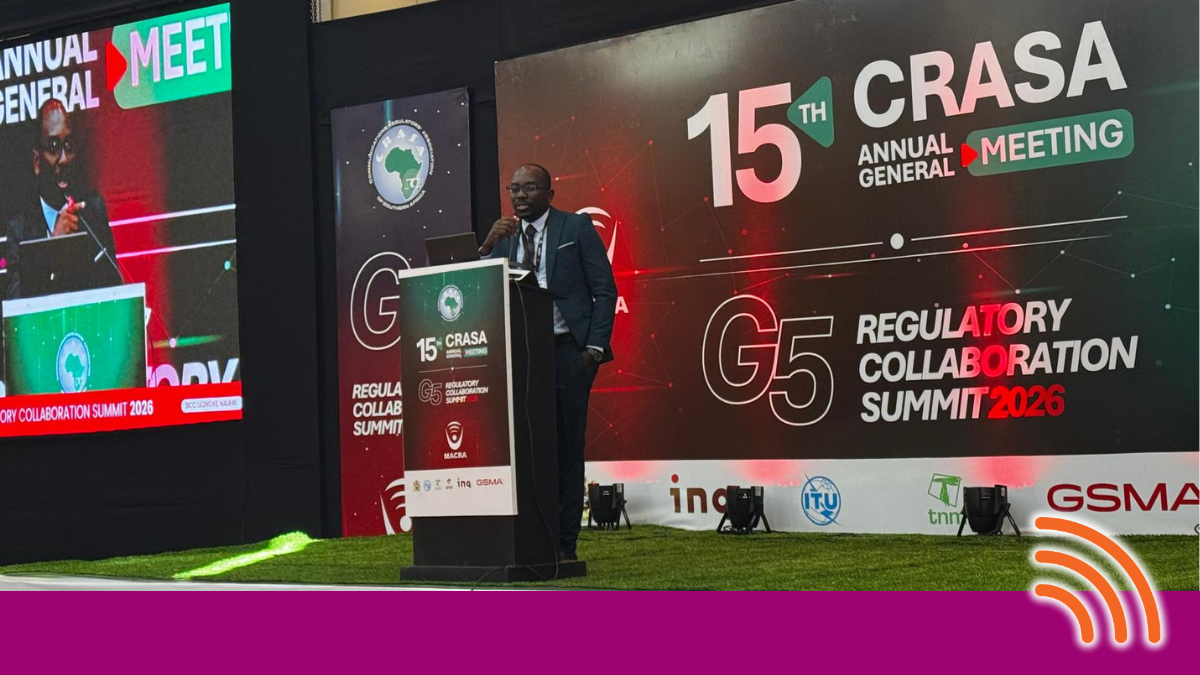
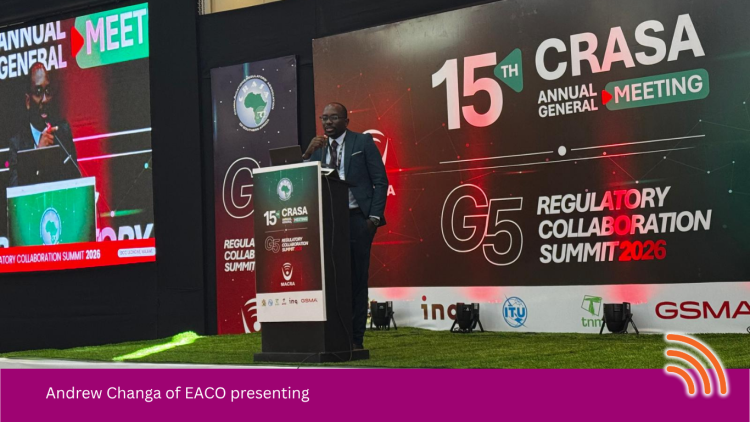
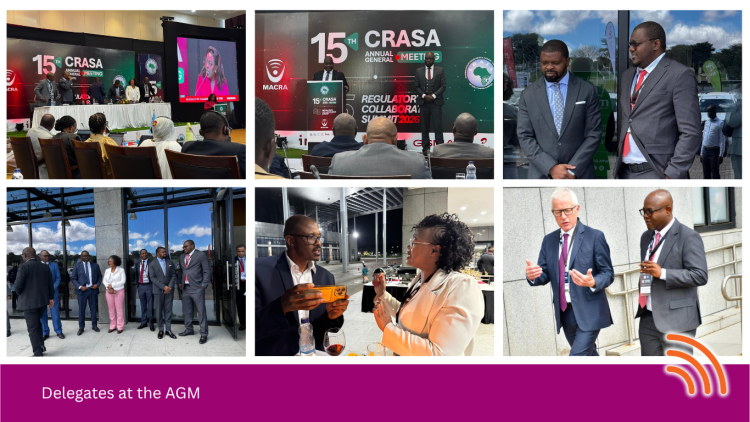
Regional regulatory cooperation remains a cornerstone of Africa’s digital transformation agenda. The 15th Annual General Meeting (AGM) of the Communications Regulators’ Association of Southern Africa (CRASA), held in Lilongwe, Malawi, from 16 to 17 April 2026, brought together national regulatory authorities (NRAs), regional bodies, and partners to reflect on progress, address governance challenges, and explore the future of digital regulation across Southern Africa.

A platform for regional alignment and strategic dialogue

The AGM was preceded by a forward-looking summit focused on “G5 regulation”, a framework aimed at advancing next-generation, digitally responsive regulatory systems. Discussions emphasised the need for regulators to transition towards more adaptive, future-oriented models capable of supporting evolving digital ecosystems.

However, a key insight emerging from the discussions was the gap between current regulatory maturity and future ambitions. While the G5 framework points towards advanced digital regulation, many participating countries are still operating at earlier stages of regulatory development. This highlights a critical need for bridging strategies to ensure that regulatory evolution is both realistic and inclusive.

Driving collaboration across regional bodies

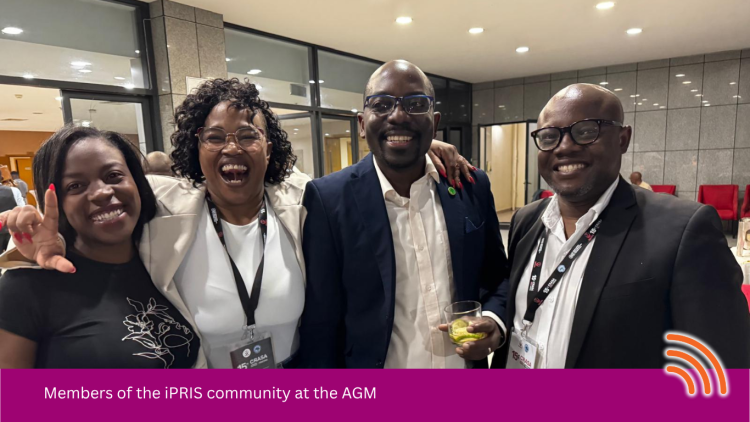
The AGM also provided a platform to strengthen collaboration between CRASA and other regional initiatives, including iPRIS. Engagements during the meeting highlighted growing interest in better coordination of capacity-building efforts and regulatory development programmes across regions.

Notably, participation from iPRIS stakeholders and alumni demonstrated the programme’s increasing relevance within regional regulatory spaces. Alumni are beginning to take on more prominent roles within their institutions, contributing to discussions and shaping regulatory priorities at both national and regional levels.

Tangible outcomes at the forefront

Across multiple sessions, a recurring theme emerged: the need to translate dialogue into actionable outcomes. While the AGM facilitated rich discussions on policy, strategy, and cooperation, participants emphasised the importance of moving beyond conversations towards implementation.

This includes:

  • Advancing harmonised regulatory frameworks across countries
  • Strengthening cross-border coordination on spectrum and digital services
  • Delivering measurable improvements in consumer protection and market efficiency

Building a more cohesive regulatory future

The CRASA 15th AGM reaffirmed the importance of regional platforms in shaping Africa’s digital future. It highlighted both progress and persistent challenges, from advancing regulatory frameworks to strengthening institutional governance.

For iPRIS and its partners, the AGM reinforces a clear direction:

  • Continue supporting regulators with practical, context-driven capacity building
  • Strengthen alignment with regional organisations like CRASA
  • Focus on implementation, impact, and measurable change

iPRIS is coordinated and implemented by SPIDER in strategic and technical partnership with the Swedish Post and Telecom Authority (PTS) and Institut luxembourgeois de régulation (ILR), as well as ARTAC, CRASA, EACO, and WATRA.

iPRIS is funded by the European Union, Sweden, and Luxembourg as part of the Team Europe Initiative “D4D for Digital Economy and Society in Sub-Saharan Africa” (Code: 001).

May 7, 2026
2 minutes
News

From insight to implementation: Namibia launches National Cybersecurity Guidelines

Namibia has taken a decisive step towards strengthening its national cybersecurity posture with the launch of its National Cybersecurity Incident Management Guidelines (2026), a milestone that reflects both national urgency and the tangible impact of African regulatory collaboration under iPRIS.

This achievement traces back to the fourth iPRIS cohort, where Namibia’s delegation identified critical cybersecurity gaps and committed to addressing them through a Change Initiative that has now moved from concept to implementation. This fourth cohort was an all-female delegation, consisting of Ella-Betty Chapoto, Mirjam Mungungu, Magano Katoole, and Charley Cloete. 

Read more about the fourth cohort’s discussions after their full iPRIS cycle here

A clear problem, a targeted response

During their first engagement in Sweden, the Namibia team, now iPRIS alumni, highlighted a rapidly evolving threat landscape.

The scale of these incidents pointed to a structural gap: while digital adoption was accelerating, coordinated national mechanisms for managing cyber incidents remained underdeveloped. In response, the team advanced a Change Initiative focused on strengthening incident response frameworks, laying the foundation for what would become the national guidelines.

Building a cyber-resilient ecosystem

The launch of the guidelines marks a shift from reactive responses to a coordinated, risk-based national cybersecurity approach. Developed by the Communications Regulatory Authority of Namibia (CRAN) in collaboration with the Namibia Cybersecurity Incident Response Team (NAM-CSIRT), the guidelines provide:

  • A national framework for detecting, reporting, and responding to cyber incidents
  • Clear protocols for coordination across government, private sector, and critical infrastructure operators
  • Standardised processes for incident management, communication, and recovery
  • A foundation for continuous improvement and adaptive response in a rapidly evolving threat landscape

Importantly, the guidelines emphasise that cybersecurity is not a standalone technical function, but a shared responsibility across institutions and individuals. As highlighted during the launch:

Cyber threats are not hypothetical; they are real, evolving, and require continuous preparedness, coordination, and learning.

From policy gaps to practical tools

In the absence of a fully enacted cybersecurity law, the guidelines serve as a critical operational bridge, enabling institutions to act now rather than wait for legislation. They introduce practical mechanisms such as:

  • Defined incident response lifecycles (from detection to recovery and post-incident learning)
  • Mandatory and recommended incident reporting timelines
  • Structured roles and responsibilities across organisations
  • Emphasis on cyber hygiene, staff training, and awareness

Data-driven urgency and real-world scenarios

The launch also reinforced the urgency of action with concrete national data and examples:

  • Namibia experienced multiple ransomware attacks within the first months of the year, averaging nearly one per month
  • Common vulnerabilities include misconfigured systems, outdated software, and weak access controls
  • Cyber risks increasingly extend through third-party and supply chain dependencies

To translate policy into practice, the event included live simulations demonstrating real-world threats such as:

  • Phishing and social engineering attacks
  • Fraud through remote access tools
  • Risks associated with public Wi-Fi and digital behaviour

These examples underscored a central message: cybersecurity resilience depends on preparedness, awareness, and rapid response, not prevention alone.

Strengthening regional and global cooperation

The guidelines also position Namibia within a broader ecosystem of regional and international collaboration.

They align with and leverage cooperation through platforms such as:

  • SADC cybersecurity frameworks
  • AFRICA CERT and international incident response networks
  • Global standards including ISO and NIST frameworks

This reflects a core iPRIS principle: cross-border collaboration is essential, as cyber threats do not respect national boundaries.

iPRIS in action: From discussions to national impact

The Namibia case demonstrates how iPRIS moves beyond knowledge exchange to institutional transformation.

What began as a cohort discussion in Stockholm and Swakopmund has resulted in:

  • A nationally adopted cybersecurity framework
  • Strengthened institutional coordination through NAM-CSIRT
  • Increased national awareness and stakeholder engagement
  • A scalable model for other regulators facing similar challenges

The initiative highlights the value of peer learning and structured change processes in enabling regulators to respond to complex, fast-evolving challenges. While the guidelines mark significant progress, they are designed as a living framework, continuously evolving alongside emerging threats, technologies, and national priorities.

With ongoing efforts to advance cybersecurity legislation, expand capacity building, and strengthen coordination, Namibia is positioning itself for a more secure and resilient digital future. As the iPRIS journey continues, this milestone stands as a clear example of what is possible when insight, collaboration, and implementation come together.


You may download the guidelines from the NAM-CSIRT website link below:

Watch highlights from the fourth iPRIS cohort below

iPRIS is coordinated and implemented by SPIDER in strategic and technical partnership with the Swedish Post and Telecom Authority (PTS) and Institut luxembourgeois de régulation (ILR), as well as ARTAC, CRASA, EACO, and WATRA.

iPRIS is funded by the European Union, Sweden, and Luxembourg as part of the Team Europe Initiative “D4D for Digital Economy and Society in Sub-Saharan Africa” (Code: 001).

May 6, 2026
3 minutes
News

Advancing regional roaming: WATRA deepens regulatory pathways in West Africa

Regional cooperation on roaming is moving from ambition to implementation, with West African regulators actively shaping practical, context-driven frameworks for more affordable and transparent cross-border connectivity.

Today, the majority of citizens rely on mobile connectivity not only for communication but also for banking, media consumption, commerce, and access to public services. Yet the cost of using a phone outside one’s home country remains prohibitively high. International Telecommunication Union (ITU) reports indicate that roaming charges in Sub‑Saharan Africa can reach $3 per megabyte of data, a price that places everyday digital activities beyond the reach of many households. Affordable roaming is therefore more than a convenience; it is a foundation for regional integration, enabling people and businesses to stay connected, lowering trade barriers, and supporting the growth of a unified digital economy across the West African region. As of August 2025, 13 bilateral MOUs had been signed across 8 West Africa Telecommunications Regulators Assembly (WATRA) member states, with 9 already active (WATRA, 2025).

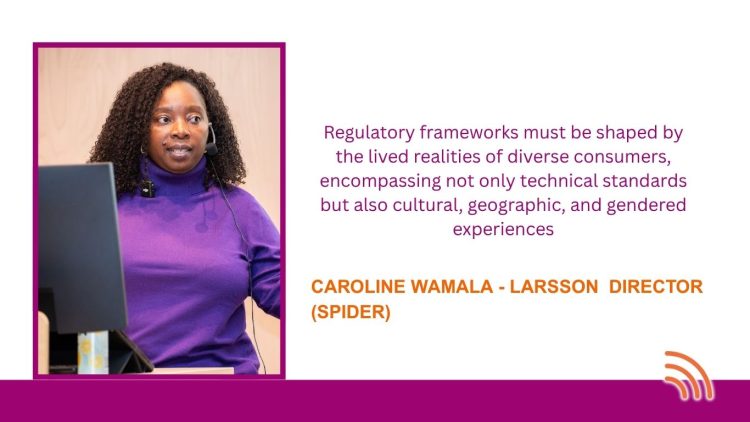
Read more insights concerning roaming in Sub-Saharan Africa from SPIDER Director Prof Caroline Wamala-Larsson here

At the 2026 Annual General Meeting of the West Africa Telecommunications Regulators Assembly (WATRA) in Lomé, Togo, regulators from across West Africa convened to address one of the region’s most persistent challenges: the high cost and complexity of mobile roaming. Held from April 20 to 24, 2026, the AGM convened national regulatory authorities (NRAs), field stakeholders, and development partners to advance the telecom landscape in the region.

The capacity-building workshop on roaming brought together NRAs to examine viable regulatory models, informed by international experience but grounded in regional realities. This workshop follows a recent online roaming workshop convened by WATRA, in partnership with the iPRIS project, organised by EY Baltic, and coordinated by SPIDER, on 19th February.

From principles to practical models

The workshop focused on translating global roaming frameworks into actionable pathways for West Africa. Experts from EY Baltic, including Paulius Žostautas, Olga Nodarou, Ioanna Choudalaki, and Andrejs Dombrovskis, presented regulatory approaches shaped by European and other international experiences. A central insight emerged clearly: there is no single model for roaming regulation. Instead, regulators must balance three critical dimensions:

  • Consumer protection and affordability
  • Operator cost recovery and sustainability
  • Regional harmonisation and simplicity

Discussions explored different regulatory approaches, including benchmarking, cost-based models, and phased harmonisation strategies. Importantly, regulators examined how these models could evolve progressively, starting with simpler price caps and moving towards more advanced, cost-informed frameworks.

Addressing complexity with context

Across the sessions, West African regulators emphasised a key concern: global models must be adapted to regional and local market realities.

For example, discussions highlighted the limitations of “roam-like-at-local” approaches, which can introduce pricing complexity and reduce transparency for consumers. In contrast, more harmonised models, such as simplified price caps, were recognised as more user-friendly and predictable.

At the same time, regulators raised valid implementation challenges:

  • High technical and financial requirements for cost modelling
  • Diverse market structures across ECOWAS countries
  • The need for phased, realistic transition pathways

In response, the experts outlined practical alternatives, including benchmarking against comparable markets to reduce implementation burden while still moving towards harmonisation.

Strengthening transparency and trust in the market

A recurring theme was the role of transparency in enabling effective regulation. Cost modelling, while complex, was presented as a tool to:

  • Provide regulators with visibility into actual operator costs
  • Strengthen regulatory decision-making
  • Build trust when implementing stricter pricing rules

Equally, transparency for consumers, through clear pricing and communication, was identified as essential to improving user experience and adoption of roaming services.

Building the foundations for regional integration

Beyond pricing, the workshop addressed the broader technical and regulatory ecosystem required for a functional regional roaming framework. This included:

  • Quality of service standards and monitoring
  • Interoperability between operators
  • Fraud mitigation and risk management
  • Reference offers to standardise inter-operator agreements

A key takeaway was that regional roaming is not only a pricing issue, but a system-wide coordination challenge, requiring alignment between regulators, operators, and policymakers.

Peer learning and regional progress

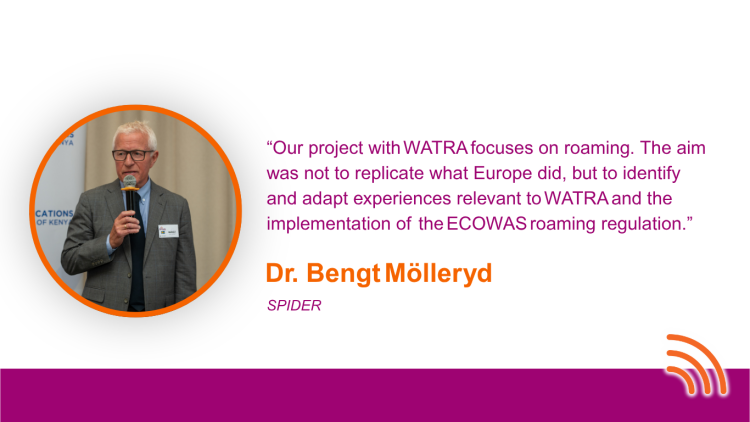
The workshop demonstrated the value of iPRIS as a platform for peer exchange, where African regulators are not passive recipients of global models but active contributors shaping solutions for their context. As noted by Bengt G. Mölleryd, the strength of the session lay in its interactivity and relevance, connecting international expertise with the lived realities of West African markets.

Hosted with the support of ARCEP Togo, the convening also underscored the importance of national leadership in advancing regional agendas. The Lomé discussions signal a growing momentum towards a more integrated West African roaming space. The path forward is iterative, requiring:

  • Phased implementation
  • Continuous stakeholder engagement
  • Strong regional coordination through platforms such as WATRA

For iPRIS, this engagement reinforces a core objective: supporting African regulators to lead, design, and implement reforms that improve connectivity outcomes across the continent.

iPRIS is coordinated and implemented by SPIDER in strategic and technical partnership with the Swedish Post and Telecom Authority (PTS) and Institut luxembourgeois de régulation (ILR), as well as ARTAC, CRASA, EACO, and WATRA.

iPRIS is funded by the European Union, Sweden, and Luxembourg as part of the Team Europe Initiative “D4D for Digital Economy and Society in Sub-Saharan Africa” (Code: 001).

May 5, 2026
4 minutes
News

8th iPRIS cohort convenes in Stockholm to advance Africa’s digital transformation

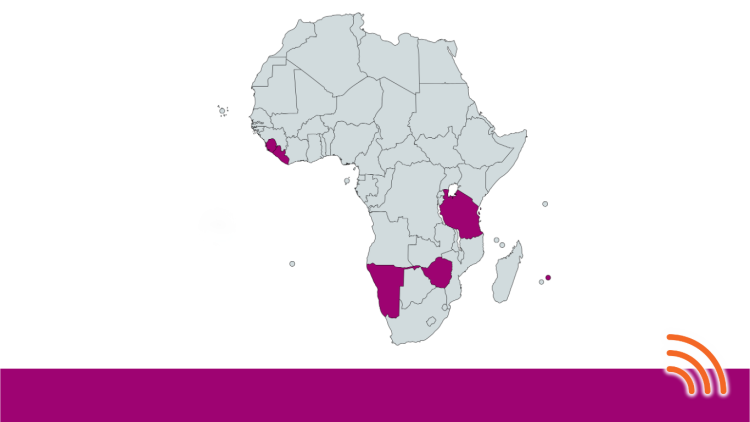
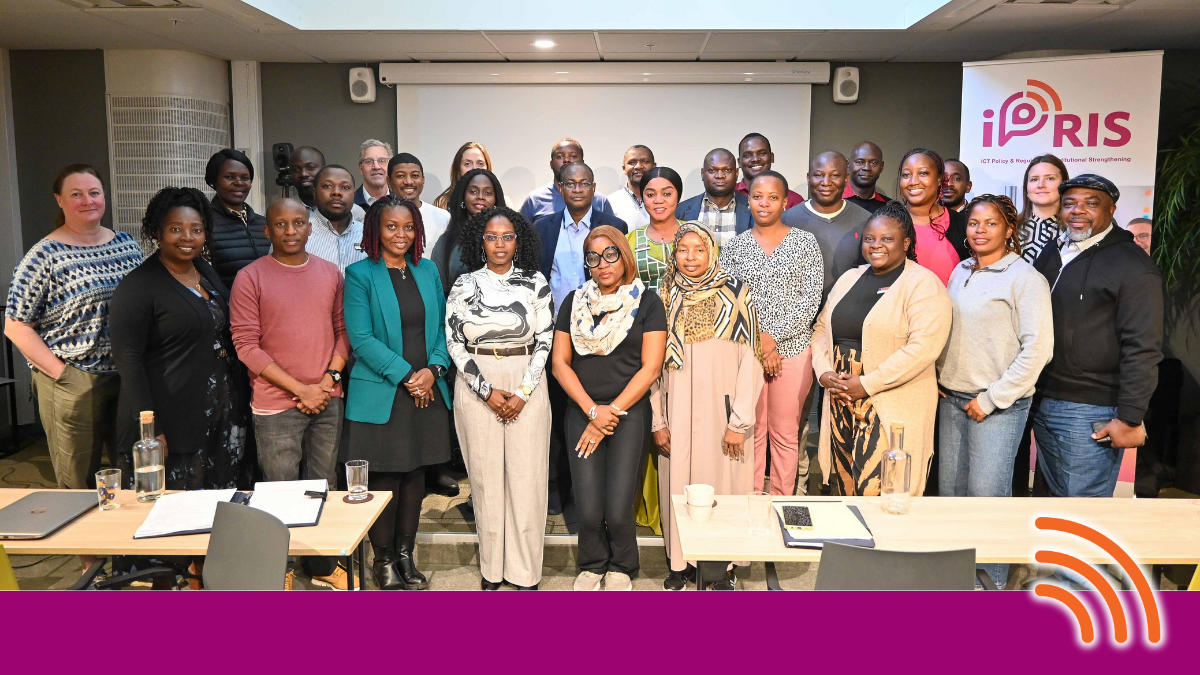
From 13 April to 29th April, iPRIS hosted its 8th cohort in Stockholm, Sweden, for a two-and-a-half-week comprehensive peer-to-peer learning program. The knowledge-exchange sessions, which marked the end of the first round in the iPRIS cycle, brought together African National Regulatory Authorities (NRAs), Regional regulatory Authorities (RROs), implementing partners, including the Swedish Post and Telecom Authority (PTS) and the Swedish Program for ICT in Developing Regions (SPIDER), and European partners. They all convened to advance and strengthen the Change Initiatives(CIs) of the African National Regulatory Authorities. The cycle covered key areas of institutional strengthening, capacity building, regulatory collaboration, and knowledge exchange to strengthen regulatory capacity and drive inclusive digital transformation in Sub-Saharan Africa. The eighth cohort included NRAs from Liberia Telecommunications Authority(LTA), Information and Communications Technologies Authority (ICTA), Communications Regulatory Authority of Namibia (CRAN), National Communications Authority (NatCA), Tanzania Communications Regulatory Authority (TCRA), and Postal & Telecommunications Regulatory Authority of Zimbabwe (POTRAZ).  RRO representatives from WATRA, EACO and CRASA also joined the NRAs to help advance their CIs and contribute to regional cooperation. The success of the first cycle of the eighth iPRIS cohort marks a key step in shaping a connected, inclusive, and digitally empowered future. 

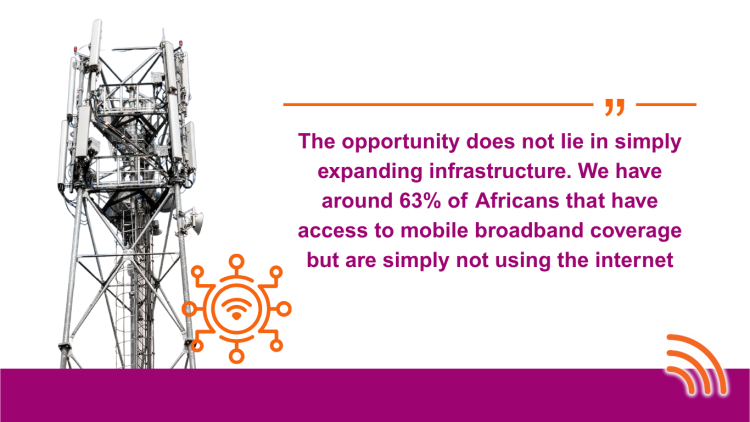
According to GSMA (2024), mobile broadband coverage in Sub‑Saharan Africa now reaches over 87% of the population.  However, significant gaps remain, as another GSMA (2024) report highlights that Sub-Saharan Africa remains the region with the lowest connectivity levels and the most extensive coverage and usage gaps, with 27% connected, a coverage gap of 13%, and a usage gap of 60%. These two reports highlight that, despite growth in mobile broadband coverage, usage gaps persist within network coverage, while the digital divide continues to affect rural and underserved communities. While mobile broadband networks have expanded significantly across Sub-Saharan Africa, the greater challenge now lies in converting coverage into meaningful usage. The eighth iPRIS cohort training aimed to address this challenge by strengthening the NRAs’ capacity through sessions including spectrum management, cybersecurity, regulatory frameworks, and Diversity, Equity, and Inclusion. 


Week 1: Strengthening institutions and advancing digital inclusion

Week One of the program focused on grounding participants in their CIs, strengthening regulatory capacity, and enhancing peer learning among NRAs. The week supported practical implementation through exposure to project management, DEI frameworks and international regulatory practices. The CIs, being the cornerstone of the iPRIS program, were the main focus of the first day of the round, with each NRA presenting on their area of policy development and implementation within the ICT sector. The CIs included quality of service, Digital inclusion for people with disabilities, Cybersecurity, Market regulation, and Spectrum management. Through peer reviews and expert input from PTS and SPIDER, each NRA strengthened its core focus, identified gaps and challenges, and clarified its scope. The participants focused on designing initiatives rooted in clear needs, practical solutions, and measurable impact. 

As highlighted in the discussions on institutional strengthening under iPRIS, 

Telecom experts from SPIDER and PTS reinforced participants' regulatory capacity by sharing institutional best practices, policy frameworks, and practical implementation tools. Malena Liendholm Ndounou (SPIDER) equipped the participants with the project management plan, a tool to help ensure the effective execution of these projects so they not only meet their objectives but also advance digital inclusivity in Sub-Saharan Africa.

Building on that, she introduced a structured seven-stage project cycle that guides participants through problem identification, objective setting, outcome definition, indicator selection, resource planning, stakeholder mapping, implementation, and Monitoring, Evaluation, Accountability and Learning (MEAL). A key factor noted during this presentation was the need to incorporate Diversity, Equity and Inclusion (DEI) throughout the implementation stages of a project.


Per Andersson, Antonia Wopenka, Jesper Svedberg, Per-Erik Vitasp and Gustav Söderlind, telecom experts from PTS, led JEO institutional and technical knowledge exchange sessions, which provided exposure to European regulatory frameworks, digital governance models, cybersecurity practices, and inclusive digital development approaches. The JEO sessions highlighted that while technology has advanced toward a more integrated, user-friendly digital ecosystem, there has been an increase in cybersecurity threats, fraud, and digital exclusion. The PTS experts highlighted the regulatory frameworks put in place to build resilience and curb these risks. This was one of the key takeaways that the NRAs could also apply in their authorities in similar cases.

The first week with the cohort strengthened their CIs with a strong analytical basis and gave them a clear picture of how regulatory frameworks can enable equitable digital markets.


Read more about week 1 sessions here 


Week 2: From frameworks to real-world regulatory impact 

In the second week, the sessions shifted from systems thinking and institutional frameworks to practical discussions on harmonisation, broadband mapping, spectrum management, project evaluation, and regional collaboration. Led by experts from PTS and SPIDER, participants engaged in discussions on end-user protection and DEI. Lisa Gurner of PTS walked the cohort through frameworks and initiatives by the European authority responsible for protecting end users, including the European Electronic Communications Code (EECC). 


A key thread throughout the discussions was that regulation must go beyond market structure and explicitly address vulnerability, institutional bias, and digital exclusion. Emphasising the responsibility of regulators, Caroline Wamala Larsson of SPIDER noted that: 

 As participants refined their CIs, they were challenged to rethink inclusion not as a policy add-on, but as a core regulatory outcome that must be embedded from the first stage through structured planning and implementation. 

The week transitioned into real-world application through industry and technical exposure. The Ericsson field visit gave participants insight into how connectivity solutions are developed in practice, highlighting the private sector’s role in driving innovation and the importance of regulatory responsiveness to emerging technologies. This was followed by intensive JEO sessions led by Bo Andersson, Andreas Wigren, Jens Ingman, Amela Hatibovic Sehic, Gustav Lenninger and Fredrik Johansson. The sessions focused on broadband deployment, broadband mapping, and spectrum management, where Sweden’s data-driven regulatory model illustrated how granular information improves decision-making, accountability, and coverage analysis. Highlighting the broader developmental impact of such data-driven approaches, Jens Ingman, Senior Analyst, PTS, noted that: 

Regional harmonisation discussions further reinforced the importance of coordinated regulatory approaches across countries. By the end of week two, participants had shifted their understanding of regulation toward effective oversight that depends on collaboration between regulators, industry, and robust data systems to ensure meaningful and equitable access to digital services. 


Read more about week 2 here


WEEK 3: Defining the way forward for change initiatives

The third week marked a key milestone in the first cycle of the program, as participants consolidated the regulatory knowledge, tools, and approaches gained over the previous weeks and translated them into forward-looking implementation plans. Following sessions on project management, DEI, intersectionality, JEO  and telecom regulation, the National Regulatory Authorities (NRAs) entered the final round of Change Initiative discussions with experts from SPIDER and PTS. Representatives from the RROs also contributed through knowledge exchange and regional perspectives, reinforcing the value of cooperation across regions. These discussions helped participants refine objectives, clarify outputs and outcomes, and assess the feasibility of implementation.

 Henrik Höglin introduced the participants to Kivra, a digital mailbox for receiving important documents, such as invoices, salary slips, yearly bank statements, and credit checks, from companies, banks, and authorities. Kivra focuses on environmental sustainability, as more users mean fewer paper letters and more digital communication, resulting in less waste. The session added practical insight into user-centred digital service delivery and regulatory adaptability.


The Way Forward presentations were the central focus of the week, with each NRA outlining how its CI would progress beyond the training phase into practical regulatory action. The presentations underscored that effective regulation requires clear, measurable, and sustainable implementation plans supported by accountability and institutional ownership. The day focused on reflection, consolidation, and closure, as participants presented their refined project plans and demonstrated progress from initial concepts to structured interventions. 

The first cycle concluded with evaluations, closing remarks, and certificate presentations, marking the transition from peer learning to implementation. In line with the iPRIS objective, Week Three equipped regulators with actionable, context-responsive tools to advance digital transformation in their respective countries.


Cohort ready for impact

Over the two and a half weeks, the 8th iPRIS Cohort progressed from foundational regulatory learning to the structured development and refinement of Change Initiatives, culminating in clear implementation plans through the Way Forward presentations. The programme advanced regulatory dialogue and peer learning among African National Regulatory Authorities, with support from European partners and implementing partners, including SPIDER and PTS. Throughout the sessions, participants moved from conceptual understanding to practical regulatory application, with continued emphasis on inclusion, meaningful project management, and effective implementation. 

This first round of the iPRIS cycle reinforced a shared commitment to resilient, inclusive, and future-ready digital ecosystems across Sub-Saharan Africa.

With their Way Forward plans in place, participants conclude the Stockholm phase with clearer regulatory roadmaps, enhanced institutional perspectives, and more developed Change Initiatives. The cohort now proceeds to the next stage of the iPRIS program, prepared to translate knowledge into action through regulatory reform, improved institutional performance, and contributions to Africa’s broader digital transformation agenda. They will convene again in six months in Nairobi, Kenya, to review their progress. 


iPRIS is coordinated and implemented by SPIDER in strategic and technical partnership with the Swedish Post and Telecom Authority (PTS) and Institut luxembourgeois de régulation (ILR), as well as ARTAC, CRASA, EACO, and WATRA.

iPRIS is funded by the European Union, Sweden, and Luxembourg as part of the Team Europe Initiative “D4D for Digital Economy and Society in Sub-Saharan Africa” (Code: 001).

May 5, 2026
6 minutes
News

Week 2 in Stockholm: Telecom regulators advance change initiatives

Week Two of the 8th iPRIS Cohort in Stockholm, Sweden, was successfully completed from 20 - 24 April. Telecom experts from Liberia Telecommunications Authority(LTA), Information and Communications Technologies Authority (ICTA), Communications Regulatory Authority of Namibia (CRAN), National Communications Authority (NatCA), Tanzania Communications Regulatory Authority (TCRA), Postal & Telecommunications Regulatory Authority of Zimbabwe (POTRAZ), advanced from foundational concepts into applied strategies for inclusive digital transformation. The sessions built on Week One’s systems thinking and institutional frameworks, moving into practical discussions on harmonisation, broadband mapping, spectrum management, project evaluation, and regional collaboration.

According to GSMA (2024) mobile broadband coverage in Sub‑Saharan Africa now reaches over 87% of the population, showing remarkable progress in infrastructure expansion across the region, reflecting significant progress in infrastructure expansion. The challenge ahead lies in translating this coverage into affordable access and meaningful usage, a task that requires strong regulatory capacity and innovative policy design.

Throughout the week, experts from iPRIS implementing partners, including the Swedish Program for ICT in Developing Regions (SPIDER) and the Swedish Post and Telecom Authority (PTS), guided participants through interactive exchanges and case studies. Highlights included:

  • Regional harmonisation efforts, with CRASA, WATRA, and EACO sharing lessons from postal quality of service projects, roaming agreements, and ICT data banks.
  • Broadband mapping and data‑driven planning, showcasing Sweden’s granular address‑level model as a benchmark for measuring coverage and usage gaps.
  • Spectrum management and transparency, emphasising allocation for societal benefit and the importance of openness in regulatory decisions.
  • Project evaluation through the MEAL framework (Monitoring, Evaluation, Accountability, and Learning), enabling participants to refine Change Initiatives with clear outputs, outcomes, and impacts.
  • Private‑sector insights from Ernst & Young (EY), reinforcing the role of structured evaluation, risk management, and transparent reporting in sustaining institutional credibility.

By weaving together technical detail, regional experience, and practical project design, Week Two reinforced that effective regulation is not only about frameworks and policies but also about execution, accountability, and collaboration across sectors.

Day 1: Protecting users and embedding inclusion

Lisa Gurner of PTS walked the cohort through the European Electronic Communications Code (EECC), explaining how its scope has expanded beyond traditional consumer protection. Vulnerable groups such as small enterprises, non‑profits, and citizens with limited digital literacy are now explicitly considered. This shift reflects a recognition that digital inclusion is not just about access, but about ensuring fairness and safety for those least able to navigate complex markets. She emphasised that regulation must evolve with society’s needs.

Her framing encouraged participants to think about their own national contexts: who is left behind, and how can regulators extend protection without stifling innovation?

In the afternoon, the conversation then moved to diversity, equity, and inclusion (DEI), led by Caroline Wamala and Malena Liendholm Ndounou of SPIDER. They challenged regulators to look inward, stressing that institutional culture shapes external outcomes.

This provocation sparked candid reflections. Participants discussed how unconscious bias within regulatory bodies can filter into policy decisions, whether in licensing, consumer protection, or enforcement. The facilitators illustrated this with global examples such as  Estonia’s secure digital ID system, which empowers elderly citizens to access services confidently, and Kenya’s cybersecurity frameworks, which build trust among users who might otherwise be excluded.

Day 2: Refining change initiatives

On the second day, the emphasis shifted from external frameworks to refining each NRA’s Change Initiative. Country teams sat down with European experts to discuss their ideas relating them to the practical realities and received targeted feedback on design, scope, and feasibility. These discussions helped participants sharpen their project logic and identify where adjustments were needed. The dialogue was constructive, with experts encouraging teams to embed lessons from the previous sessions.

DAY 3: Industry perspectives from Ericsson

On the third day, the cohort stepped out of the seminar room and into industry practice with a field visit to Ericsson. The experience offered a first‑hand look at how private‑sector actors approach connectivity, resilience, and innovation. Participants were introduced to demonstrations of emerging technologies, from next‑generation mobile networks to solutions designed to strengthen reliability in underserved areas. The visit emphasised the interplay between regulation and market development.

Day 4: Harmonisation, broadband mapping, and spectrum management

Day four marked a turning point in the program, as the cohort moved into the week's most technical discussions. Moderated by Katerina Schyberg, the sessions combined European regulatory experience with African perspectives, showing how harmonisation, broadband mapping, and spectrum management are not abstract policy debates but practical tools for expanding opportunity and building trust in digital systems.

Harmonisation and technology neutrality

Bo Andersson from PTS emphasised the need for EU harmonisation, stating that fragmented implementation hinders innovation and imposes burdens on regulators.

The proposed Digital Networks Act was discussed as a way to centralise regulation, though concerns about clarity and national sovereignty in spectrum authorisation remained. African regulators highlighted their challenge of being “technology receivers” and stressed the importance of participating actively in global standard‑setting to protect consumers.

Broadband mapping as a tool for inclusion

The discussion then shifted to broadband mapping, where Sweden’s model was presented by Andreas Wigren and Jens Ingman. They explained that PTS collects granular address‑level data from hundreds of operators, enabling precise measurement of coverage and progress toward national targets. They urged regulators to think beyond national silos and adopt frameworks that allow technology to evolve freely.

Participants compared their own practices, noting gaps in usage data and the need for more detailed household‑level information.


Spectrum Management and Transparency

The day concluded with a spectrum management session led by Amela Hatibovic Sehic, Gustav Lenninger, and Fredrik Johansson. They outlined Sweden’s framework for licensing, supervision, and auctions, emphasising strategies such as international harmonisation, spectrum planning, rights of use, and sharing.

Amela Hatibovic Sehic underscored the principle that “spectrum must be allocated to maximise benefit for society, not just profit for the treasury.” 

Gustav Lenninger reinforced the importance of transparency, noting that openness in licensing decisions builds trust and encourages innovation.

Examples of refarming, such as reallocating the 700 MHz band from television to mobile, illustrated how regulators adapt to evolving needs. Auctions were described not as revenue‑generating exercises but as mechanisms to promote competition, coverage, and innovation.

Day 5: Regional Dialogue and Project Refinement

Day five brought together regional perspectives, project evaluation, and private‑sector insights. The morning opened with a session led by Malena Liedholm, who introduced the MEAL framework (Monitoring, Evaluation, Accountability, and Learning) as a practical tool for refining Change Initiatives. She guided participants to see evaluation not as a static report but as a continuous learning process that strengthens impact.

With this basis, the NRAs applied the MEAL lens to their project plans, clarifying outputs, outcomes, and impacts while testing assumptions and embedding accountability structures.

Building on this foundation, representatives from the Regional Regulatory Organisations (RROs), CRASA, WATRA, and EACO shared lessons from harmonisation projects. These included CRASA’s work on postal quality of service frameworks, WATRA’s efforts to establish roaming agreements across West Africa, and EACO’s initiative to build an ICT data bank for the East African region. By sharing harmonisation projects, CRASA demonstrated that collective approaches not only strengthen service quality but also give regulators the tools to engage stakeholders with credibility. Together, these examples showed how regional collaboration strengthens national capacity and provides tested models for evidence‑based decision‑making.

The day closed with a brief visit to Ernst & Young (EY), offering a private‑sector perspective on governance and accountability.

From knowledge-exchange to Change Initiatives

Week 2 highlighted that effective regulation is built on evidence, accountability, and collaboration through frameworks such as MEAL, regional harmonisation projects, and private‑sector perspectives on governance. The cohort’s progress shows that regulators are not only absorbing concepts but actively applying them to their own initiatives.

Collaboration emerged as a central theme, reminding participants that regional progress depends on collective responsibility. 

This forward‑looking perspective highlights the urgency of translating frameworks into enforceable action. Building on this momentum, Week 3 will be dedicated to intensive work on the NRA change initiatives and the Way Forward session. These sessions will not only refine Change Initiatives but will also mark the end of the first phase of the iPRIS cycle for the 8th cohort.

iPRIS is coordinated and implemented by SPIDER in strategic and technical partnership with the Swedish Post and Telecom Authority (PTS) and Institut luxembourgeois de régulation (ILR), as well as ARTAC, CRASA, EACO, and WATRA.

iPRIS is funded by the European Union, Sweden, and Luxembourg as part of the Team Europe Initiative “D4D for Digital Economy and Society in Sub-Saharan Africa” (Code: 001).


April 29, 2026
6 minutes
News

Eighth iPRIS cohort ignites telecom regulatory advancement

Last week marked the end of Week One of the 8th iPRIS Cohort peer-to-peer learning programme in Stockholm, Sweden. Telecom experts from Liberia Telecommunications Authority(LTA), Information and Communications Technologies Authority (ICTA), Communications Regulatory Authority of Namibia (CRAN), National Communications Authority (NatCA), Tanzania Communications Regulatory Authority (TCRA), Postal & Telecommunications Regulatory Authority of Zimbabwe (POTRAZ), convened to strengthen their regulatory capacity and advance digital transformation across Sub-Saharan Africa.

According to GSMA (2024), Sub-Saharan Africa remains the region with the lowest connectivity levels and the most extensive coverage and usage gaps, with 27% connected, a coverage gap of 13%, and a usage gap of 60%. This report highlights the need for African telecom experts to strengthen their regulatory capacity so as to bridge these gaps and advance inclusive digital connectivity.

Throughout the week, participants engaged in interactive discussion sessions led by experts from iPRIS implementing partners, including the Swedish Program for ICT in Developing Regions  SPIDER and the Swedish Post and Telecom Authority (PTS). Progressively, the sessions transitioned from foundational concepts in systems thinking and regulation to more applied discussions on institutional frameworks and the practical design of Change Initiatives (CIs).

Day 1: Change initiatives and project management for effective regulatory change

The first day of the programme focused on grounding participants in their Change Initiatives and an afternoon project management session to strengthen and enable effective regulatory change.

Each National Regulatory Authority introduced its change initiatives, including quality of service, Digital inclusion for people with disabilities, Cybersecurity, Market regulation, and Spectrum management. In detail, the NRAs outlined their core focus, gaps, challenges, and scope, and received feedback from not only telecom experts from PTS and SPIDER but also fellow NRAs. This peer exchange reinforced one of the core strengths of iPRIS collaborative regulatory learning across regions. Key frameworks such as Monitoring, Evaluation, Accountability and Learning (MEAL) and Diversity, Equity and Inclusion (DEI) were mentioned, highlighting iPRIS's commitment to digital inclusivity. 

Structuring change through project management

Building on the CIs' presentations, Malena Liendholm Ndounou (SPIDER) led the participants through a project management session, shifting the focus to practical implementation. The session introduced key tools, including a project management plan, which will help them ensure effective execution of these projects so they not only meet their objectives but also advance digital inclusivity in Sub-Saharan Africa. As Malena emphasised:

A central message from the session was that successful regulatory projects depend not only on technical expertise, but also on how clearly the problem is defined and how realistically the solution is designed. Malena further emphasised success factors beyond traditional results-based management, highlighting focus, simplicity, faith, and structured planning as essential elements for driving sustainable regulatory change.

Day 2: JEO institutional and legal frameworks

Day 2 shifted focus toward the institutional and legal frameworks shaping telecom regulation in Sweden and the broader European context.

Legal experts Per Andersson and Antonia Wopenka from PTS introduced participants to the Swedish constitutional system, the structure of government institutions, and PTS's role as an independent regulatory authority. The discussion also explored how public financing, accountability structures, and institutional independence shape regulatory effectiveness.

A key emphasis was placed on the principle of independence in regulatory work.

 This reinforced the importance of safeguarding regulatory decisions from external influence in order to maintain credibility, fairness, and consistency in enforcement.

Complementing this perspective, Antonia Wopenka highlighted Sweden’s strong legal culture of openness and accountability, particularly in public administration. He stated:

 “Transparency and access are the rule, and secrecy is the exception. Official documents should be accessible to all, and secrecy must always be grounded in law.” 

Given that the EU forms the foundation of regulation in Sweden, a session on the overview of the EU, how it works and how Sweden navigates in the EU was insightful.

Secure communications, Digital identity wallet, and Cybersecurity

Digital connectivity is fundamentally about communications, particularly secure communications. Building on these, the second half of the day focused on emerging priorities in digital regulation.

Jesper Svedberg from PTS presented on secure communications and telecom preparedness, highlighting the importance of resilience, emergency readiness, and international cooperation in ensuring continuity of communication services during crises.

A session on the European Digital Identity Wallet by Per-Erik Vitasp illustrated how regulatory systems are evolving to support seamless, secure access to key national services across banking, healthcare, travel, and government platforms. By reducing reliance on repeated identity verification, the system represents a shift toward interoperable and user-centred digital governance.

The day concluded with a cybersecurity session by Gustav Söderlind. Cybersecurity has been an emerging threat to the telecom sector, and this session helped share insights into how regulatory frameworks aim to curb cybersecurity risks. Through the PTS regulations and the EU’s influence on cybersecurity policies, cybersecurity has been viewed as a question of digital resilience, regulatory oversight, and cross-border trust, reflecting the increasing interconnectedness of modern telecom systems.

Day 3: Project management and inclusive regulation

As the week progressed, participants began to strengthen and refine their CIs through deeper engagement with project management methodologies. Malena Liedholm Ndounou (SPIDER) emphasised the importance of strategic planning.

This was reinforced by the introduction of a structured seven-stage project cycle that guides participants through problem identification, objective setting, outcome definition, indicator selection, resource planning, stakeholder mapping, implementation, and MEAL.

Through case scenarios and examples from European Union and SPIDER-led projects, participants were encouraged to think critically about how regulatory ideas translate into real-world implementation. 

DEI remained central to the discussions. The importance of inclusive regulatory design was highlighted, ensuring that digital transformation initiatives consider underserved communities, accessibility, and broader social equity dimensions throughout the implementation stages of a project. This was further echoed in reflections on budgeting and equity, with the reminder that:

“There is no such thing as a neutral budget, and a budget that does not seek to balance or to reduce inequalities will by definition contribute to reinforcing existing inequalities.” - Malena Liedholm Ndounou (SPIDER)  

This day also included a field visit to the PTS, providing participants with practical exposure to the regulatory environment discussed in theory. 

Day 4: Advancing telecom regulation: Numbering, spectrum and pricing 

As the week drew to a close, participants continued to attend technical sessions on JEO numbering and spectrum management, deepening their understanding of telecom systems and regulatory evolution.

Discussions on numbering systems highlighted how traditional geographically bound structures are evolving into more flexible, user-centric frameworks driven by mobile technology. These shifts reflect broader changes in how communication services are structured and regulated in increasingly digital societies. 

At the same time, participants explored challenges such as identity manipulation and fraud. A growing concern was the rise of SMS-based fraud, as criminals increasingly shifted from voice spoofing. This highlighted the need for continuously adaptive regulatory responses to emerging risks.

Another key discussion focused on telecom pricing regulation, where structured cost models were presented as tools to ensure that operators recover investment and operating costs while maintaining fair and sustainable market conditions.

Day 5: Diversity, Equity and Inclusion (DEI)

iPRIS is committed to shaping an inclusive, digitally empowered future; hence, Diversity, Equity and Inclusion are central to the regulations. Marking the end of week one, the participants indulged in sessions on DEI led by SPIDER experts, Malena Liendholm Ndounou and Caroline Wamala Larsson.

Throughout the morning sessions, participants explored various concepts and frameworks in DEI. Starting with intersectionality, Caroline Wamala Larsson emphasised that inequality cannot be understood through gender alone but multiple identities, including age, gender, ethnicity, socioeconomic status, race, and religion, intersect to shape individuals’ access to resources, opportunities, and digital inclusion. 

Just as there's a gender digital divide, there's also an age divide, a race or ethnicity divide, and even a geographic divide. Many of you have talked about the rural divide in terms of how many people are actually online. So these divides also need to be considered because resources are not only about women, but also about age.” - Caroline Wamala Larsson(SPIDER)

On equity, Malena noted that having the same rights does not necessarily mean having the same opportunities. The participants explored ways to address barriers to equity, including affordability, digital literacy, relevance, safety, and security.

“Having the same rights does not necessarily translate into having the same opportunities. Equity is about targeted needs-based support.”  - Malena Liendholm Ndounou(SPIDER)

The session on DEI ended with an emphasis on regulators' roles in designing inclusive systems, particularly in sectors like telecommunications, to ensure inclusion and accessibility for all, including people with disabilities. Key examples included assistive technologies such as wheelchair-accessible ATMs, audio-supported interfaces, and Braille. The session highlighted the need to proactively create inclusive environments, recognising that disability is not always permanent or visible, as ageing can lead to conditions like low vision, loss of fingerprints, or limited mobility. 

SPIDER Projects: Advancing Inclusive Digital Solutions 

The afternoon sessions explored SPIDER’s role in inclusive development. Edna Soomre, JohnBlack Kabukye, and Katja Sarajeva introduced SPIDER’s projects. The projects were anchored in a human-centred approach to technology, as emphasised by Edna Soomre.

SPIDER has been working on inclusive digital and health innovation projects to strengthen access to essential services and build institutional capacity. Through initiatives such as Health Alliance for Digital Development and Action (HADDA) and HoliCare, SPIDER supports the development and localisation of healthcare solutions, including improved access to diagnostics and the integration of technology with training for health workers to enhance patient outcomes. 

The sessions also highlighted broader digital governance considerations, including capacity-building approaches such as EU Twinning programmes that support collaboration between government institutions and international partners to address development needs.

Conclusion

Week One of the 8th iPRIS Cohort established a strong foundation for the telecom experts in Stockholm. Across the sessions, participants progressed from conceptual discussions of regulation to a more applied understanding of how policy frameworks, institutional structures, and technological change interact in practice. The week consistently emphasised the need to translate regulatory intent into actionable, measurable, and context-sensitive interventions. 

A key insight that emerged was the evolving nature of telecom ecosystems, in which traditional systems are being reshaped by digital transformation, while new risks demand adaptive and forward-looking regulatory frameworks. In this context, Dr Caroline Wamala Larsson (SPIDER) emphasised the importance of trust and safety in digital transformation.

This was complemented by Katja Sarajeva (SPIDER), who highlighted the inherent trade-offs in digital systems.

Week One, therefore, marked the start of a deeper process of refining Change Initiatives into practical solutions that can strengthen digital inclusion and regulatory effectiveness across Sub-Saharan Africa.


iPRIS is coordinated and implemented by SPIDER in strategic and technical partnership with the Swedish Post and Telecom Authority (PTS) and Institut luxembourgeois de régulation (ILR), as well as ARTAC, CRASA, EACO, and WATRA.

iPRIS is funded by the European Union, Sweden, and Luxembourg as part of the Team Europe Initiative “D4D for Digital Economy and Society in Sub-Saharan Africa” (Code: 001).


April 21, 2026
7 minutes
News

When your phone crosses the border before you do 

By Prof. Caroline Wamala-Larsson 

Having lived in Sweden for more than two decades, I have seen what coordinated telecommunications policy can achieve. 

I remember arriving late one winter evening in Brussels for a conference. The city was unfamiliar, the streets quiet, and I was unsure how to get to my hotel. Standing at the station, I called my husband in Stockholm. Using online maps, he guided me step by step until I arrived safely. Across Europe, connectivity follows the user, not the border. Whether travelling from Sweden to Norway or further south to Spain, my phone works as if I never left home. Calls cost the same, networks are seamless, and the experience is largely invisible.

This is not accidental. It is the result of regulatory cooperation across borders and countries choosing to prioritise affordable, reliable connectivity for their citizens. In many parts of Africa, particularly along border regions, the reality is very different.

Across sub-Saharan Africa, border communities function as shared social and economic spaces rather than clear divides. Trade, family ties, and daily movement flow across boundaries that were colonially imposed rather than socially defined. Yet mobile networks do not reflect this reality. Phones frequently latch onto foreign signals without warning, triggering roaming charges or service disruptions. For many, this is not just inconvenient it is costly.

Consider Nana Mensah, a small bakery owner in Aflao, a town along the Ghana–Togo border. Her business relies heavily on mobile connectivity to coordinate with customers, place orders with suppliers, and manage deliveries. Yet even within a small radius, her phone may connect to a neighbouring country’s network instead.

The impact goes beyond her alone. Her customers struggle to reach her, orders are delayed or missed, and communication with suppliers of key ingredients becomes inconsistent. Transport arrangements become harder to coordinate, especially when timing is critical. Over time, these disruptions translate into fluctuating orders, unpredictable sales, and reduced business stability.

Each unintended network switch brings additional costs, but more importantly, it introduces uncertainty into a business that depends on reliability. 

Similar dynamics play out across East Africa. For cross-border traders in Busia, transport operators in Namanga, or small businesses operating along regional corridors, connectivity is not optional it is a lifeline. It enables mobile payments, access to market information,  coordination of  medical teams. When networks fail or become expensive, productivity is directly affected.

From 9 to 12 March 2026, telecom regulators and experts convened in Accra, Ghana, under the iPRIS peer-to-peer programme, building on earlier exchanges held in Sweden in November 2025. The convening brought together national regulatory authorities from across Africa alongside regional bodies and international partners.

A key takeaway was clear: while mobile network coverage has expanded significantly across the continent, affordability and reliability particularly in border regions remain uneven. Encouragingly, practical solutions are emerging.

In Ghana, telecom regulators from the National Communication Authority-Ghana translated this challenge into a consumer awareness pilot in Aflao, helping residents understand how to configure their phones to avoid unintended cross-border roaming. 

At a broader level, regional cooperation is beginning to reshape the landscape. In Southern Africa, the One Network Area (ONA) framework is demonstrating what is possible when regulators align. Countries including Botswana, Zambia, Zimbabwe, and Malawi have begun harmonising roaming tariffs, with reductions ranging from 10% to over 90% across voice, data, and SMS services. Early evidence suggests that lower prices can drive higher usage, offsetting potential revenue losses.

Closer to home, the East African Community’s ONA initiative has also made progress, significantly reducing roaming costs by treating cross-border communication within partner states almost as local calls. For businesses operating across Kenya, Uganda, Rwanda, and beyond, this has begun to ease the cost of staying connected.

What is needed now is a more intentional shift: from isolated reforms to fully integrated regional connectivity frameworks. First, regulators must accelerate harmonisation across regional blocs to ensure consistency in pricing, service quality, and consumer protection. Fragmentation undermines progress.

Second, policy must reflect the lived realities of border communities. Connectivity is experienced differently across gender, age, and income levels. For informal traders and small enterprises, even small cost fluctuations can have significant consequences.

Third, connectivity must be recognised as economic infrastructure. Cross-border trade, digital finance, and regional integration all depend on reliable communication. Addressing roaming challenges is therefore central to unlocking intra-African trade.

Finally, multi-stakeholder collaboration will be key. Regulators, telecom operators, regional organisations, and development partners must align to scale solutions.

Because connectivity is not only about communication it is also about safety, dignity, and participation.The ability to reach someone whether for business, emergency support, or simple reassurance should never depend on whether your phone has crossed into another network.


Watch more insights from Prof. Caroline alongside Norah Sitati from EACO  below

April 2, 2026
3 minutes
News

The eighth iPRIS cohort: Regulators driving digital impact

The iPRIS programme enters its second year with the launch of the eighth cohort, bringing together regulators from Liberia, Namibia, Mauritius, Sierra Leone, Zimbabwe, and Tanzania. From 13th April 2026 to 29th April 2026, the regulators will spend three weeks in Stockholm, Sweden, to collaborate, implement their change initiatives, refine national reform plans, and exchange lessons to strengthen Africa’s digital future. They will also be joined by other telecom experts from regional regulatory organisations (RROs): the East African Communications Organisation (EACO), the Communications Regulators’ Association of Southern Africa (CRASA), and the West Africa Telecommunications Regulators Assembly (WATRA), who will share lessons from regional cooperation frameworks.

The digital divide in Sub-Saharan Africa

Over the past decade, Sub‑Saharan Africa has shown remarkable growth in digital access. Internet use has continued to rise, with the International Telecommunication Union (ITU) estimating that by 2025 around 36% of the region’s population was online. Mobile broadband has been the main driver of this progress, and the GSMA reports that more than 400 million people in Africa now use mobile internet, a figure expected to grow as 4G and 5G networks expand.

However, the digital divide still needs to be bridged; millions remain offline, particularly in rural areas where affordability and digital skills remain barriers. This gap is not just about connectivity; it is about access to education, healthcare, financial services, and opportunities that depend on being digitally included.

iPRIS aims to advance telecom regulation in Sub-Saharan Africa to improve the aforementioned sectors. By equipping regulators with the tools to design inclusive policies, manage spectrum effectively, and promote affordable access, iPRIS helps ensure that connectivity gains translate into real opportunities for citizens. Progress is being made, but reaching the goal of universal access will require sustained collaboration, and iPRIS is part of that journey.

Expanding the network: A growing community of regulators

Since its inception in November 2023, the iPRIS programme has evolved into a dynamic platform for peer learning and regional cooperation. Initially a pilot initiative and a successor of the ITP program, it has now supported over 120 telecom regulators across 33 African countries, advancing inclusive, evidence-based approaches to ICT policy and regulation.

iPRIS has convened cohorts in Europe and Africa, each contributing to a broader knowledge ecosystem. Regulators have shared best practices, piloted reforms, and built sustainable partnerships, accelerating the continent’s digital transformation. With the Lusophone cycle in the planning phase this year, the iPRIS network will continue to connect major NRAs across Sub-Saharan Africa to achieve their regulatory objectives, both nationally and regionally. 

With the eighth cohort, iPRIS further expands its footprint, adding new experiences and perspectives from participants. This collaborative model has engaged over 200 telecom experts, strengthening institutional capacity, improving policy coherence, and bridging regional divides in digital governance. By 2028, the programme aims to have trained over 300 regulators from 43 National Regulatory Authorities, embedding reforms that make Africa’s digital future more inclusive, resilient, and sustainable.

Progress across nations: Impact stories

The eighth iPRIS cohort is not starting from scratch; each participating regulator arrives with a track record of reforms already reshaping their national digital landscapes. From rural connectivity projects to regional roaming agreements, from cybersecurity enforcement to inclusive ICT training, these initiatives show how regulation is driving real progress for citizens and businesses. Together, they illustrate the diverse ways African regulators are bridging the digital divide and building a more resilient digital environment.

Liberia: 

Liberia’s digital journey is gathering pace, and the Liberia Telecommunications Authority (LTA) has been at the centre of it. Over the past year, the regulator has pushed forward ambitious plans to modernise the country’s connectivity landscape. At the Liberia Infrastructure Conference, LTA showcased opportunities in 5G networks, fibre‑to‑the‑home rollout, and the Amílcar Cabral undersea cable, signalling a clear intent to attract private investment and accelerate digital transformation. These projects are not just about technology; they are about positioning Liberia as a competitive hub in West Africa’s digital economy.

On the ground, the impact is visible. In Vahun, Lofa County, a new communications tower has brought mobile coverage to thousands who previously struggled to connect. For schools, satellite internet kits are being deployed to support digital learning, opening doors for children in rural areas to access the same resources as their peers in Monrovia. LTA has also convened forums to ensure that persons with disabilities are not left behind, engaging operators and community leaders to improve accessibility and accountability.

At the same time, Liberia is strengthening its digital backbone. By participating in the National Peering Forum, LTA has advanced the country’s Internet Exchange Point, reducing costs and improving speeds for everyday users. Internationally, the regulator has been active at events like the TikTok Safer Internet Summit in Nairobi and Mobile World Congress in Barcelona, bringing home insights on cybersecurity, consumer protection, and innovation.

Namibia: 

Namibia’s regulator, CRAN, has been steadily working to bring connectivity to communities that have long been underserved. In recent months, new telecommunications towers have gone up in villages like Epinga and Ehomba, funded through the Universal Service Fund. For residents, this has meant the arrival of reliable voice and data services for the first time, opening doors to better schooling, healthcare access, and local business opportunities.

At the same time, CRAN is preparing the country for the next generation of networks. Plans are underway to transition from older 2G and 3G systems to more efficient 4G and 5G technologies. This shift is not just about faster speeds, it’s about ensuring that Namibia’s infrastructure can support modern digital services and give citizens the tools to participate fully in the digital economy.

The regulator has also invested in community empowerment. At the Khomasdal Rossing and Otjomuise libraries, CRAN donated computers and provided free internet access, enabling thousands of people to study, conduct research, and apply for jobs online. For many students and job seekers, these libraries have become gateways to opportunity, with high‑speed internet transforming how they learn and connect with employers.

CRAN has also been strengthening Namibia’s resilience in the digital space. Through its national Computer Security Incident Response Team (NAM‑CSIRT), the regulator hosted training on DNS resilience — essentially teaching stakeholders how to protect the “address book” of the internet from cyberattacks and disruptions. This kind of capacity building ensures that as Namibia expands its networks, it also safeguards them against threats.

Mauritius: 

Mauritius has often been perceived as a digital leader in the Indian Ocean, and the Information and Communication Technologies Authority (ICTA) has been steering this transformation with a mix of innovation and regulation. In recent months, ICTA authorised the use of non‑geostationary satellite orbit (NGSO) broadband services, requiring providers to operate through locally licensed ISPs (Internet Service Providers). This decision reflects a careful balance: opening the door to new technologies while ensuring orderly market entry and benefits for local players. It is a move that expands connectivity options, particularly for remote communities, while maintaining a strong regulatory framework.

ICTA has also opened the 700 MHz frequency band for testing and operation of IMT networks, including 5G. This step signals the country’s readiness to embrace next‑generation connectivity and ensure spectrum is used efficiently. For citizens, it means faster, more reliable services and the potential for new digital applications that can drive economic growth.

The regulator’s decisions are felt directly in everyday life. In the Agalega Islands, a remote dependency of Mauritius, ICTA has supported projects under the Universal Service Fund to enhance internet connectivity. For residents there, improved access means better communication with the mainland, opportunities for online learning, and access to essential services that were previously out of reach. Another regulatory change in Mauritius is the revocation of SIM registration rules that required identity documentation. This has reshaped how mobile users interact with their services, making access simpler and more flexible.

Sierra Leone: 

Sierra Leone’s regulator, NatCA, has been weaving regional cooperation and consumer protection into its digital transformation story. One of the most significant developments has been the cross‑border agreement with Guinea to introduce free mobile roaming. For traders, students, and families living near the border, this has meant using their home SIM cards without extra charges, reducing costs and making communication seamless across two countries. 

NatCA has also been working to strengthen connectivity between Sierra Leone and Guinea through a memorandum of understanding on internet interconnection. By linking networks across borders, the regulator is ensuring faster, more reliable services and laying the groundwork for a more connected West Africa.

Additionally, NatCA has also been active in consumer education. Public awareness campaigns have reached citizens through radio, television, newspapers, and social media, focusing on phishing prevention, safe mobile money practices, and data privacy. These efforts are particularly targeted at youth and rural communities, helping them build resilience against cyber threats and strengthening trust in digital services.

The regulator’s presence is felt beyond technical reforms. During Ramadan and Lent, NatCA donated food to religious institutions in Freetown and surrounding communities, demonstrating that its role extends to social support and community engagement. At the same time, Sierra Leone’s voice has been heard regionally, with NatCA’s Director‑General, Mr Amara Brewah, participating in the Smart Africa Council of Regulators, reinforcing the country’s place in continental ICT dialogue.

Zimbabwe:

Zimbabwe’s regulator, POTRAZ, has been shaping the country’s digital landscape by placing cybersecurity and accountability at the centre of its agenda. In recent months, it has called out organisations that continue to process personal data without the required licences under the Cyber and Data Protection Act. By insisting on compliance, POTRAZ is reinforcing trust in the digital ecosystem and ensuring that citizens’ information is handled in a lawful manner. This push for accountability is complemented by awareness‑raising initiatives, such as the Annual Data Privacy Symposium, which brings together stakeholders to discuss privacy as the foundation for innovation and trust in a digital economy.

At the same time, Zimbabwe has been investing in people and communities. Through its ICT Scholarship programme, students across the country are gaining opportunities to advance their education in technology and build the skills needed for the future workforce. In rural areas, more than 200 community information centres have been established, bringing internet access and government services closer to citizens, including the elderly and underserved populations. For many, these centres have become vital spaces for learning, communication, and participation in the digital economy.

POTRAZ has also positioned Zimbabwe within global and regional conversations. By participating in forums such as WSIS+20 and AI for Good, the regulator has engaged with international peers on issues ranging from ethical AI to inclusive infrastructure. Hosting regional workshops on emergency telecommunications and early warning systems further demonstrates Zimbabwe’s role in building resilience across Southern Africa.

Tanzania: 

TCRA, has been driving digital inclusion with a strong focus on safety, accessibility, and empowerment. One of its most visible initiatives has been the launch of a nationwide short-code service, 15040, that allows citizens to report suspicious messages and verify unknown phone numbers. For millions of mobile money users, this simple tool has become a shield against fraud, giving them confidence to engage in digital services without fear of being exploited.

TCRA has also taken a creative approach to tackling misinformation. Through the “FUTA DELETE KABISA” campaign, launched during the International Week of the Deaf, citizens were educated on how to identify and avoid false information online. Importantly, the campaign included sign language interpretation, ensuring that members of the deaf community could fully participate. This emphasis on inclusivity shows how regulation can empower even the most marginalised groups to engage safely in the digital space.

The regulator’s commitment to empowerment extends to young women. In collaboration with the Ministry of Communications and IT, UCSAF, and the ICT Commission, TCRA organised practical ICT training for girls with special needs from secondary schools in Dodoma. These sessions equipped them with STEM and digital skills, inspiring them to pursue careers in technology and equipping them to design solutions to social challenges in their communities.

Regionally, Tanzania has positioned itself as a leader by hosting the ITU Subregional Workshop in Dar es Salaam, bringing together experts from across Africa to discuss universal and meaningful connectivity. TCRA has also been reviewing the postal sector’s legal framework to align with sustainability goals and support e‑commerce, while backing local innovators in global competitions like the G20 Digital Innovation Challenge.

Highlights: A three‑week collaboration

The eighth iPRIS cohort will take part in an intensive three‑week peer-learning in Stockholm, designed to blend expert‑led sessions, collaborative project work, and immersive field visits. The schedule connects theory with practice, ensuring that regulators refine their change initiatives by learning from European peers and from one another.

The discussions will revolve around these components:

  • Joint European Offer (JEO) sessions led by experts from the Swedish Post and Telecom Authority (PTS) and partners, covering topics such as institutional and legal frameworks, secure communications, numbering and addressing, spectrum management, end‑user protection, broadband deployment and mapping, competition regulation, and new regulatory issues.
  • Project management and MEAL (Monitoring, Evaluation, Accountability, and Learning) workshops facilitated by SPIDER, strengthening participants’ ability to design, monitor, and implement their Change Initiatives.
  • Diversity, Equity and Inclusion sessions led by SPIDER.
  • Strategic Foresight sessions led by PTS.
  • Field visits to leading institutions and industry players, including PTS headquarters, Stockholm University, Ericsson, Telia, and Ernst & Young. These visits will showcase models of innovation, governance, and private‑sector collaboration.
  • Collaborative exchanges with Regional Regulatory Organisations (RROs), who will present their projects and share lessons from regional cooperation frameworks.
  • Networking and cultural events, including a visit to The Royal Palace, a networking dinner, and an Easter dinner at the hotel, to foster cooperation and build lasting professional relationships.

Throughout the period, each NRA will continue to improve its Change Initiative, a national reform plan aimed at strengthening institutional performance and making the regulatory environment sustainable and inclusive.

Read about the iPRIS seventh cohort sessions in Sweden here 

This European phase marks only the beginning of the journey. The regulators will reconvene later this year at the Africa round, where they will share lessons learned, assess progress on their Change Initiatives, and continue building momentum for inclusive digital transformation. By returning to the continent, the programme ensures that the knowledge gained in Stockholm is translated into action at home, reinforcing the commitment to bridge the digital divide and advance Africa’s digital future together.


iPRIS is coordinated and implemented by SPIDER in strategic and technical partnership with the Swedish Post and Telecom Authority (PTS) and Institut luxembourgeois de régulation (ILR), as well as ARTAC, CRASA, EACO, and WATRA.

iPRIS is funded by the European Union, Sweden, and Luxembourg as part of the Team Europe Initiative “D4D for Digital Economy and Society in Sub-Saharan Africa” (Code: 001).

March 27, 2026
9 minutes
News

African regulators share progress and policy insights at the iPRIS Ghana round

From 9 to 12 March 2026, telecom experts reconvened in Accra, Ghana, for their iPRIS round after initially meeting in Sweden. The four-day session brought together national regulatory authorities (NRAs) from the National Communications Authority of Ghana (NCA Ghana), Communications Authority of Kenya (CA Kenya), Botswana Communications Regulatory Authority (BOCRA  Botswana), Lesotho Communications Authority (LCA Lesotho), and Public Utilities Regulatory Authority of The Gambia (PURA Gambia), with Malawi Communications Regulatory Authority (MACRA Malawi) joining online to advance Change Initiatives (CIs) from policy concepts to practical regulatory action. 

They were joined by implementing partners, SPIDER and the Swedish Post and Telecom Authority (PTS), representatives of the European Union and regional regulatory organisations, including Communications Regulators' Association of Southern Africa (CRASA), East African Communications Organisation (EACO) and West Africa Telecommunications Regulators Assembly (WATRA).

Across Africa, telecom experts are working to bridge the digital divide and support the development of inclusive digital economies. Globally, an estimated 6 billion people – about three-quarters of the world's population – are using the Internet in 2025, up from a revised estimate of 5.8 billion in 2024. However, 2.2 billion people remain offline, down from a revised estimate of 2.3 billion in 2024 (ITU, 2025). Although mobile networks now cover about 95% of Africa’s population, only around 40% actively use mobile internet. This widening usage gap, driven by high device costs, limited digital literacy and access barriers, remains one of the continent’s greatest connectivity challenges (GSMA, 2025). These findings highlight the critical role of telecom regulators in expanding digital access, particularly for underserved communities.  

By strengthening regulatory frameworks in areas such as affordability, spectrum management, consumer protection, and digital inclusion, these efforts aim to improve access to affordable connectivity, digital services and economic opportunities for citizens across participating countries. The Ghana round, therefore, focused on reviewing progress on Change Initiatives while strengthening regional regulatory collaboration.

As part of the iPRIS structured peer-learning cycle, the Ghana round marked the transition from planning to implementation. Following the comprehensive knowledge-exchange sessions in Sweden in November 2025, telecom experts reconvened to assess progress on their CIs, share policy experiences, and refine implementation strategies. The daily sessions focused on three key areas: reviewing progress on CIs; strengthening regulatory capacity through expert-led sessions on strategic foresight, digital inclusion and project management; enhancing regional cooperation through peer-learning sessions; and Way forward presentations concerning CIs.

Day 1: From commitment to progress: Regulators advance Change Initiatives

The day began with opening remarks from Rev. Ing. Edmund Fianko, Director General of the National Communications Authority (NCA), and Gisela Spreitzhofer, the EU delegation to Ghana. Their speeches focused on the benefits of connectivity, especially for development sectors, the digital transformation journey in Africa, and the change initiatives of NRAs, setting a collaborative tone for the week’s work. As Rev. Ing. Edmund Fianko emphasised:


From mid-morning onward, the NRAs presented progress on their CIs, marking the first day of immense collaboration and peer-learning. These initiatives aimed to strengthen digital systems, expand digital access, improve service quality and prepare regulators for emerging technologies. Key topics covered include spectrum policy development, broadband access and community connectivity, Public Key Infrastructure (PKI), AI governance readiness, satellite regulation, and consumer protection. 

This session demonstrated how regulators are moving beyond policy discussions to implement practical solutions that not only improve digital technologies but also ensure citizens benefit from inclusive connectivity. Day one provided a platform for peer learning as regulators shared experiences, challenges and solutions across countries. Through these, telecom experts not only made significant progress in the digital sector but also enhanced their institutional capacity to manage evolving digital markets effectively.

Day 2:  Strengthening regulatory capacity through shared learning

On day 2, the Ghana round went beyond CIs and focused on strengthening the regulators strategic capacity and technical expertise through expert-led presentations and discussions. The participants were first introduced to the strategic foresight methodology by Hans Hedin (PTS). A tool that aims to anticipate trends and emerging technologies and to strategically plan for forward-looking regulations. Hans Hedin noted: 


Diversity, Equity and Inclusion

Given that digital inclusivity is central to the iPRIS project, a session on inclusivity by Dr Caroline Wamala Larrson and Dr Cheikh Sadibou Sakho (SPIDER) was much needed. Emphasising the significance of community engagement to regulation, Dr Cheikh noted:


The presentation highlighted the need for regulators to view regulation as a social construct that affects real people with needs, shaped by social power dynamics.  Through approaches such as Diversity, Equity and Inclusion (DEI) and gender-responsive strategies, participants were exposed to practical strategies to expand connectivity with underserved populations and promote equitable access across communities. As Dr Caroline Wamala Larrson noted:

Project Management and MEAL

Petra Rindby (SPIDER) led a session on Project Management and Monitoring, Evaluation, Accountability and Learning (MEAL). This served as a guide for NRAs on how to tackle their projects to ensure alignment with their change initiatives. She further emphasised the importance of commitment and belief in the process: 


Throughout the presentations, participants engaged in discussions and projects that implemented these strategies, enhancing their problem-solving and strategic thinking skills.

The highlight of the day was the presentation titled “Smart Borders, Fair Billings” by NCA Ghana alumnus from the fourth iPRIS cohort. This session highlighted that border communities often experience the practical consequences of regulatory gaps, and addressing roaming challenges requires technical solutions and regulatory cooperation. 

Their presentation offered practical insights into roaming regulations and the challenges faced during implementation, particularly at the Ghana-Togo border. Participants explored real-world challenges affecting border communities, where mobile users often face unexpected charges, signal spillover, and inconsistent roaming services due to gaps in regulatory coordination.

Throughout the evening, participants shared experiences, challenges, and technical solutions from their own countries. Some of the challenges raised affecting border communities include automatic roaming in border towns, unexpected consumer charges, cross-border spillover and the need for effective regulatory coordination between neighbouring countries. It was a session that reflected the true knowledge-sharing aspect of iPRIS as the seventh cohort learned from practical examples of their African peers.

Day 3: Advancing digital cooperation through regional collaboration

iPRIS provides a platform for telecom experts to collaborate beyond borders. Through the Ghana round, NRAs interacted with RROs and European experts to address shared challenges in Africa’s telecom ecosystem.

Mr Kristof Itana (CRASA), Ms Anuoluwapo Atte (WATRA), and Mr Andrew Changa (EACO) led participants through individual CIs discussions, sharing insights on regional projects, challenges, and solutions that support national telecom advancements.

These exchanges not only provided a learning ground for NRAs but also highlighted iPRIS efforts in providing regional expertise to national regulators and strengthening regulatory capacity.

Through regional cooperation, iPRIS ensures that regulatory initiatives are practical and cater to the needs of citizens across countries.


Day 4: From progress to implementation: Defining the way forward
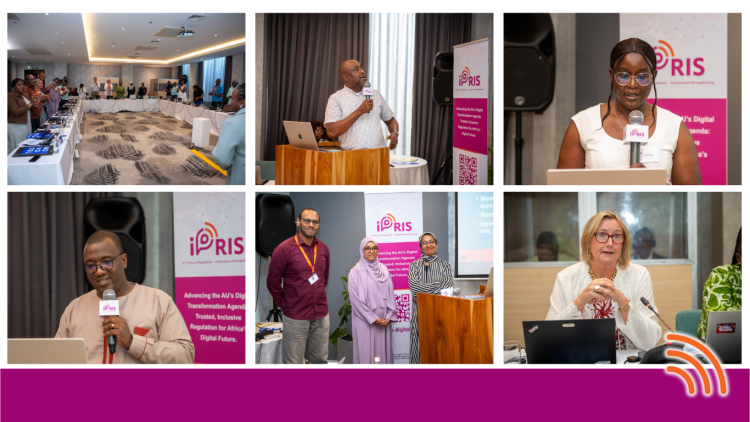
The last day of the Ghana round focused on translating lessons into actionable projects. Through this session, telecom experts went beyond planning and applied the knowledge gained to strategies that strengthen national telecom ecosystems and emphasise regional learning. The Way forward session offered a platform for each NRA to present on the next steps for their CIs, informed by insights from the previous day's guidance and shared learning.  In detail, each NRA presented the scopes, methodologies, challenges, expected outcomes, and outputs of the implementation process for the CIs. From the presentations, the goal was clear: to enable inclusive digital connectivity and markets, and protect consumers across participating countries.  

The Ghana round reinforced the iPRIS core mission, which aims to boost the Capacities of African telecom regulators through peer-to-peer learning, thereby helping NRAs strengthen and build inclusive digital systems. By bringing together national regulators and regional organisations, the Ghana round highlighted how regional collaboration enables harmonised digital development, helping countries align with regulatory standards and effective practices. As Keamogetse Mmokele from Botswana reflected on the value of the programme: 
The Ghana round marks one of the many phases in the iPRIS project. As iPRIS continues to collaborate with NRAs in the next phases of their CIs, equipping regulators with knowledge and capacity to address evolving digital challenges and drive sustainable, inclusive digital transformation across Africa remains central to the programme. 


iPRIS is coordinated and implemented by SPIDER in strategic and technical partnership with the Swedish Post and Telecom Authority (PTS) and Institut luxembourgeois de régulation (ILR), as well as ARTAC, CRASA, EACO, and WATRA.

iPRIS is funded by the European Union, Sweden, and Luxembourg as part of the Team Europe Initiative “D4D for Digital Economy and Society in Sub-Saharan Africa” (Code: 001).

March 16, 2026
6 minutes
News

Inclusion is key to Africa’s digital future

Cheikh Sadibou Sakho examines why inclusion and social equity are essential to closing Africa’s digital divide

Keypoints:

  • Digital divide in Africa is primarily social, not technological
  • Inclusion and equity must anchor digital policy and regulation
  • Meaningful connectivity requires skills, affordability and governance reform

‘WHAT is done for us without us is done against us.’ This principle, frequently invoked in development discourse, resonates deeply when examining Africa’s digital trajectory. It highlights a reality that remains insufficiently acknowledged: technological transformation cannot generate sustainable social progress if it is disconnected from the lived experiences of the societies it intends to serve.

Across the continent, digitalisation is often portrayed as an inevitable pathway to economic advancement and institutional modernisation. Yet progress that excludes populations in all their diversity—particularly disadvantaged and vulnerable groups—risks reinforcing structural inequalities rather than alleviating them. Technology, when detached from social contexts, may reproduce marginalisation instead of fostering resilience.

Africa’s digital future therefore hinges not only on innovation, but on inclusion.

Moving beyond infrastructure-centred narratives

Discussions of digital transformation in Africa continue to prioritise infrastructure indicators: broadband expansion, mobile network coverage, platform proliferation and technological innovation. These developments are significant and reflect genuine momentum towards modernisation.

However, such metrics obscure a more fundamental question: who benefits from digital technology, in what ways, and under which conditions?

The central challenge is not simply connectivity but meaningful connectivity — the capacity for individuals and communities to use digital tools in ways that enhance economic opportunity, strengthen participation and improve everyday life. Access without affordability, skills or relevance does not translate into empowerment.

The digital divide must therefore be understood as a multidimensional social issue rather than a purely technical gap.

Senegal as a lens on continental dynamics

My reflections draw partly from observations in Senegal, whose experience offers an illuminating perspective on broader African trends. In recent years, Senegal has pursued an ambitious digital agenda through initiatives such as the New Deal Technologique and the Sénégal Numérique 2025 strategy, accompanied by investments in broadband infrastructure and digital public services.
These initiatives demonstrate a clear political ambition to position digital technology as a driver of development and institutional reform. Yet beneath this progress, persistent divides remain.

National statistics reveal stark disparities between urban and rural populations. Nearly 16 percent of rural residents have internet access compared with nearly 60 percent in Dakar. Geography continues to shape digital opportunity.

Gender inequalities further complicate access. Women in rural areas are around 32 percent less likely to use mobile internet than men. Even in urban settings, disparities remain visible, illustrating how digital exclusion reflects broader socio-economic realities rather than simple technological delay.

Coverage alone does not ensure social appropriation. Digital participation depends on education, affordability, cultural relevance and confidence in technology.

Touba and the paradox of episodic connectivity

Patterns of digital usage in Senegal illustrate another dimension of inequality: cyclical connectivity shaped by social and economic rhythms. Telecommunications consumption rises dramatically during major religious gatherings, particularly the Grand Magal pilgrimage in Touba.

During this period, Touba temporarily becomes one of the most connected locations in the country. Digital networks facilitate communication, mobility coordination, commerce and religious organisation on a massive scale.

Yet once the event concludes, connectivity patterns revert to uneven norms. This demonstrates a critical paradox of Africa’s digital transition: moments of intense connectivity coexist with persistent structural vulnerability.

Infrastructure availability alone does not guarantee sustained or meaningful participation.

The digital divide as a reflection of social inequality

Africa’s digital divide should therefore be interpreted not as an isolated technological deficit but as a contemporary expression of historical inequalities.

Across the continent, nearly one billion people live in areas covered by mobile broadband yet remain offline. Women continue to face disproportionate barriers despite digital tools offering significant opportunities for entrepreneurship and livelihood stability, particularly within informal economies that employ large segments of the population.

These conditions reflect economic, cultural, educational and symbolic constraints. They reveal what may be described as a political economy of access — one shaped by structural inequalities rather than individual reluctance.

Why diversity, equity and inclusion must become central policy pillars

In this context, diversity, equity and inclusion must shift from peripheral considerations to core strategic pillars of digital development policies in Africa.

Digital technology has evolved into a space where economic, social and political opportunities are produced and redistributed. Decisions regarding connectivity increasingly influence employment prospects, education systems, governance processes and democratic participation.

Ignoring social dynamics risks reproducing exclusion at scale. Digital inclusion must therefore go beyond connecting territories; it must enable stable and meaningful participation in social life.

Encouragingly, Senegalese policy discourse is gradually evolving. Institutional priorities are beginning to move beyond infrastructure deployment towards digital skills, accessibility and inequality reduction. This shift reflects growing recognition that digital transformation is fundamentally political.

Rethinking regulation as a societal practice

The decisive question now concerns how African policymakers conceptualise digital technology.

If digital ecosystems are viewed exclusively as markets, exclusionary dynamics are likely to persist. If they are understood as socio-technical systems, regulation and public investment can instead function as instruments of social justice.

Telecommunications regulation must therefore extend beyond technical optimisation and market efficiency to incorporate social asymmetries, vulnerabilities and redistributive impacts.

Through the iPRIS programme, I have worked with regulators from more than a dozen African countries integrating societal considerations into regulatory initiatives addressing competition policy, spectrum management, user protection, broadband deployment and secure communications.

A notable cognitive shift is emerging. Regulators who previously focused primarily on market indicators are increasingly asking broader questions about social impact and long-term societal outcomes.

Technologies disconnected from social realities often encounter resistance and unintended consequences. Inclusive systems, by contrast, tend to be more resilient and sustainable.

Digital governance as a common good

Advancing digital inclusion requires coordinated action across multiple fronts: adaptive regulatory frameworks, competitive yet equitable markets, responsible data governance and differentiated connectivity strategies tailored to diverse populations.

More fundamentally, digital space must be recognised as a common good whose governance cannot be left solely to market forces.

The objective should not merely be reducing the digital divide but overcoming it. Universal connectivity is fundamentally an issue of social equity, linking infrastructure with affordability, digital literacy, locally relevant content and inclusive governance.

Digital technology has become a central arena of contemporary social justice.

Towards meaningful and universal connectivity

This inclusive vision aligns with the African Union’s Digital Transformation Strategy 2020–2030, which calls for harmonised regulatory frameworks, institutional strengthening and inclusive connectivity across the continent.

Encouragingly, dialogue with regulators across Africa suggests growing awareness of the social dimensions of digital transformation. Policymakers are increasingly engaging with questions of inequality, diversity and societal impact.

Such developments indicate an important realisation: meaningful and universal connectivity is not primarily a technological challenge but a social one.

Africa’s digital future will depend less on the speed of innovation than on the depth of inclusion. Only by embedding equity at the centre of digital governance can technological progress translate into shared prosperity rather than fragmented advancement.

The digital divide will not be bridged through infrastructure alone. It will be overcome when digital transformation is designed with people — in all their diversity — at its core.

Professor Sadibou Sakho is an Anthropologist and Sociologist, Gaston Berger University of Saint-Louis (Senegal)


iPRIS is coordinated and implemented by SPIDER in strategic and technical partnership with the Swedish Post and Telecom Authority (PTS) and Institut luxembourgeois de régulation (ILR), as well as ARTACCRASAEACO, and WATRA.

iPRIS is funded by the European Union, Sweden, and Luxembourg as part of the Team Europe Initiative “D4D for Digital Economy and Society in Sub-Saharan Africa” (Code: 001).

March 11, 2026
5 minutes
News

7th iPRIS cohort in Ghana: Strengthening regional cooperation for Africa’s digital future

From 9 to 12 March 2026, the National Communications Authority (NCA) of Ghana will host the second round of peer-to-peer learning of the seventh cohort of the ICT Policy and Regulation – Institutional Strengthening (iPRIS) project in Accra. 

iPRIS has engaged approximately 157 participants from 33 countries to date, highlighting the vast network of telecom regulators who share knowledge to advance their telecom industries. Sub-Saharan Africa (SSA) faces major challenges in digital development, including underdeveloped digital infrastructure, limited access to affordable connectivity, a digital gender gap, insufficient skills for digitally enabled industries and a weak regulatory and policy environment. According to the International Telecommunication Union (ITU), effective regulation can reduce connectivity costs by up to 30%  while attracting greater investment in digital infrastructure, underscoring the critical role of institutions such as iPRIS in expanding affordable access and bridging the digital divide.

This meeting will bring together African National Regulatory Authorities (NRAs) from the National Communications Authority of Ghana (NCA Ghana), Lesotho Communications Authority (LCA Lesotho), Botswana Communications Regulatory Authority (BOCRA Botswana), Public Utilities Regulatory Authority of The Gambia (PURA Gambia), Communications Authority of Kenya (CA Kenya), and Malawi Communications Regulatory Authority (MACRA Malawi)

They will also be joined by Regional Regulatory Organisations (RROs), including the West Africa Telecommunications Regulators Assembly (WATRA), the Communications Regulators’ Association of Southern Africa (CRASA), and the East African Communications Organisation (EACO). Implementing partners, including the Swedish Post and Telecom Authority (PTS) and the Swedish Program for ICT in Developing Regions (SPIDER), will also participate.

The convening will mark the second stage of the cohort’s journey in the iPRIS cycle, following its initial phase in Stockholm in 2025. It will build on the cohort’s initial learning round, shifting from European learning exposure to Africa-based implementation. By prioritising practical reforms, the meeting will reinforce ICT regulation as a driver of digital transformation, strengthen regional cooperation among regulators, and deepen institutional capacity to ensure reliable and inclusive digital economies across Sub-Saharan Africa.

Read more about the 7th Cohort’s activities in Stockholm 2025 here.

Strategic objectives of this second meeting in Accra:

  • Advance Change Initiatives led by participating NRAs, moving from design to implementation and adaptability to African realities.
  • Strengthen regulatory responses to digital inclusion to ensure affordable access and to reduce gender and rural connectivity gaps through Diversity, Equity and Inclusion knowledge exchange sessions.
  • Promote market efficiency by addressing competition, affordability, and consumer protection in ICT services through cybersecurity sessions.
  • Equip regulators with the tools to address emerging technologies, including 5G, AI, and digital platforms.
  • Tackle cross-border regulatory challenges through harmonising approaches to roaming, spectrum management, and regional digital markets.
  • Deepen regional collaboration, fostering shared solutions and peer-to-peer support across national and regional institutions. 

An interesting session to look out for is the ‘Smart Borders, Fair Billings: Policy Lessons from Ghana’s Border Towns’ discussion that will be presented by NCA Ghana. This session will deliver practical lessons from NCA Ghana's experience driving roaming initiatives in its border towns. On the last day of discussions on Thursday, 12th March, the ‘Way Forward’ sessions will feature presentations from all the NRAs on their planning and execution strategies concerning their tailored Change Initiatives. It is a session open to all iPRIS alumni and current participants, where technical expertise and knowledge are shared.


The 7th cohort follow-up phase in Ghana will serve as a pivotal step in the seventh cohort’s journey, reinforcing iPRIS’s commitment to regulator-led reforms that respond to Africa’s digital realities. By combining peer learning with practical implementation, the programme will ensure that participating regulators return home equipped with actionable strategies to expand affordable connectivity, strengthen consumer protection, and prepare for emerging technologies. Sustained collaboration beyond this meeting will be essential to build resilient institutions, harmonised regional markets, and inclusive digital economies that empower societies across Sub-Saharan Africa. As regulators advance their Change Initiatives and strengthen regional cooperation, iPRIS will remain committed to its support, helping authorities adapt to emerging technologies and address cross‑border challenges with coordinated and forward‑looking solutions


iPRIS is coordinated and implemented by SPIDER in strategic and technical partnership with the Swedish Post and Telecom Authority (PTS) and Institut luxembourgeois de régulation (ILR), as well as ARTAC, CRASA, EACO, and WATRA.

iPRIS is funded by the European Union, Sweden, and Luxembourg as part of the Team Europe Initiative “D4D for Digital Economy and Society in Sub-Saharan Africa” (Code: 001).

March 9, 2026
3 minutes
News

Francophone telecom regulators accelerate digital transformation in Benin

9–12 February 2026 | Cotonou, Benin

From 9 to 12 February 2026, the Electronic Communications and Postal Regulatory Authority of Benin (ARCEP Benin) hosted the Africa session of the second iPRIS Francophone cohort in Cotonou. This cohort is the second French group and sixth group overall in the iPRIS project. Four days of intensive exchanges brought together telecom regulators (NRAs) from Benin, Burundi, Cameroon, Equatorial Guinea, Gabon and Guinea, alongside implementing partners SPIDER and ILR, regional telecom regulators — WATRA (West Africa Telecommunications Regulators Assembly), ARTAC (Assembly of Telecoms Regulators of Central Africa) and EACO (East African Communications Organisation) — as well as the Francophone network, ARCEP France.

The Benin round took place against a backdrop of persistent connectivity challenges and transformative potential across Africa’s telecom landscape, underscoring the importance of structured regulatory peer-to-peer engagement. Despite mobile broadband networks covering a large majority of the population, only about 22–40 % of Africans are using mobile internet, leaving a substantial usage gap even where coverage exists, and fixed broadband remains scarce compared with global averages (GSMA, 2025). Meanwhile, the mobile sector contributed around $220 billion to Africa’s GDP in 2024 (about 7.7 % of total output), with usage expected to increase further, highlighting connectivity’s economic value (GSMA, 2025). At the same time, advanced technologies such as 4G and 5G are expanding slowly, with 5G still a small share of total connections in Sub-Saharan Africa, reinforcing the need for forward-looking regulatory frameworks that can unlock investment, affordability, and digital inclusion. By bringing regulators together to test, refine and benchmark their Change Initiatives with peers and regional bodies, the Cotonou meeting directly addresses policy and implementation gaps that constrain meaningful connectivity and inclusive digital market development. 

As part of iPRIS's structured peer-to-peer learning cycle, this session marked a turning point for the second Francophone cohort: the shift from learning to action. Following comprehensive training in Luxembourg in September 2025, these Francophone African telecom regulators reconvened in Benin to test their Change Initiatives (CIs) against on-the-ground realities, measure the progress achieved and consolidate the reforms underway.

Day 1: Concrete Progress and Reaffirmed Commitment

The session was officially opened with addresses by H.E. Stéphane Mund, Ambassador of the European Union to Benin, the representative of the Ambassador of Luxembourg to Benin, and Dr Hervé C. Guèdègbé, Executive Secretary of ARCEP Benin. This high-level institutional framework set the tone for the week's ambition from the outset: positioning African regulators as drivers of the continent's digital transformation.

The morning of this first day was dedicated to presentations on the progress of the Change Initiatives led by each NRA. From competition regulation and spectrum management to 5G deployment, fibre optic infrastructure regulation and spectral interference detection, each regulator demonstrated measurable progress since the comprehensive training session in Europe. A highlight of the day was the spotlight on ARCEP Benin's achievements, including the announcement of the decision regulating tariffs in the electronic communications and digital sector, as well as the forthcoming framework for free WiFi zones. These measures illustrated the Beninese regulator's commitment to a more transparent, equitable and accessible market.

The day concluded with a visit to the ARCEP Benin technical centre in Hêvié, Calavi, where participants met with the executive secretariat of ARCEP to discuss the country's evolving approach to public internet access, including recent regulatory guidelines on WiFi zone operations. The regulatory framework underscores the importance of prior authorisation, quality of service, data protection and fair competition, commitments that illustrate how regulation can protect users while enabling affordable and equitable digital access.

Day 2: Strategic Dialogue and Institutional Cooperation

The second day was entirely devoted to dedicated Change Initiative meetings. Each national regulator worked in dedicated sessions with experts from WATRA, ARTAC, SPIDER, ILR and EACO to refine implementation strategies, identify risks and strengthen action plans. This discussion group format reflects the iPRIS methodology: iterative, structured support grounded in accountability. The exchanges enabled in-depth exploration of the challenges specific to each national context — budget constraints, institutional approval timelines, inter-agency coordination and access — while identifying cross-cutting solutions, good practices and shared visions among peers.

The day continued into the evening at the Embassy of Luxembourg in Benin, where participants were received at a special invitation. This institutional moment reaffirmed the support of European and African experts for strengthening the capacities of NRAs and promoting inclusive digital ecosystems.

Day 3: Innovation, Financial Inclusion and Institutional Leadership

The third day offered African regulators an immersion in Benin's financial and digital innovation ecosystem, combined with capacity-building sessions on project management and institutional diversity.

Immersion in Beninese Fintech

The morning took place at the Embassy of Luxembourg, with presentations by two startups awarded through the LuxAid Challenge Fund: Global Optim Benin (GOBIWORLD), whose integrated mobile application digitalises and optimises the activities of Mobile Money agents to strengthen financial inclusion, and Media Soft Bénin, which facilitates the digitalisation of microfinance institution services for broader access to financial services, particularly for vulnerable populations.

Ms Livia Sossou, Senior Technical Adviser for the BeDigital programme, and Mr Gilles Da Costa, Senior Technical Adviser for the Inclusive and Innovative Finance programme, presented Benin's progress in financial inclusion. The financial inclusion rate, estimated at 87% in 2025, has now reached 90% within the WAEMU zone, driven by the adoption of the new banking law in 2024, which extends the scope of application to payment institutions, electronic money institutions and FinTechs.

The visit to the MTN Innovation Lab completed this immersion with a presentation of Cashless, a SaaS platform dedicated to managing employee benefits and professional expenses. These initiatives illustrate the dynamism of Benin's digital ecosystem and the synergies between regulation and innovation.

Diversity, Equity and Inclusion

The afternoon opened with a session led by Cheikh Sadibou Sakho (SPIDER / Gaston Berger University) on diversity, equity and inclusion (DEI) in regulatory environments. The session emphasised that inclusion is not limited to infrastructure but also depends on social roles and gender, reinforcing the idea that public legitimacy and trust rest on inclusive leadership.

Read more about Prof. Sadibou’s insights on digital inclusion here

Project Management and MEAL

Malena Liedholm-Ndounou (SPIDER) led a session on project management and Monitoring, Evaluation, Accountability and Learning (MEAL), equipping regulators with practical tools to plan, monitor and evaluate the impact of their Change Initiatives. The session highlighted that the sustainability of reforms depends as much on project discipline as on technical expertise.

The session on tariff regulation, led by Antoine Samba (ARCEP France/FRATEL) and Tantely Jeans (ILR), also enabled participants to explore European regulatory frameworks on pricing and consumer protection in greater depth, a topic at the heart of several Change Initiatives in this second Francophone cohort.

Day 4: Consolidation and Forward Planning

The fourth and final day focused on consolidating the Change Initiatives and defining the way forward. Each NRA in the cohort presented their roadmap for the coming months, specifying key milestones, expected deliverables and monitoring mechanisms. The presentations demonstrated how far the CIs had progressed, moving from strategic design in Luxembourg last September to detailed action plans anchored in each country's institutional realities.

The session closed on a convivial note with a cultural excursion to Ouidah, a historic city in Benin. This shared moment strengthened bonds among participants, illustrating the spirit of collaboration and solidarity that characterises the iPRIS project.

Strengthening Regulatory Leadership Across Africa

The follow-up session of the second Francophone cohort in Cotonou confirms the core mission of iPRIS: to support telecom regulators in implementing structural reforms, foster peer-to-peer learning and contribute to building more inclusive, innovative and sustainable digital environments across Africa. In four days, the second Francophone cohort demonstrated that structured peer-to-peer exchange accelerates the regulatory capacity of African institutions, from progress presentations to CI clinics, from fintech immersion to reflection on inclusive leadership.

Since its launch in 2023, iPRIS has mobilised more than 200 telecom experts across 33 countries, reflecting a growing continental network of regulators who draw on shared expertise and coordinated regulatory action to shape resilient, forward-looking digital markets. The Cotonou session is not the end of the journey, but a milestone in iPRIS's ongoing commitment to African regulators — a commitment that transforms learning into reform and reform into lasting impact.


iPRIS is coordinated and implemented by SPIDER in strategic and technical partnership with the Swedish Post and Telecom Authority (PTS) and Institut luxembourgeois de régulation (ILR), as well as ARTACCRASAEACO, and WATRA.

iPRIS is funded by the European Union, Sweden, and Luxembourg as part of the Team Europe Initiative “D4D for Digital Economy and Society in Sub-Saharan Africa” (Code: 001).

February 20, 2026
6 minutes
1 2 3 8

Contacts

Borgarfjordsgatan 12, Kista,SWEDEN
Postal Address: Stockholm University, Department of Computer and Systems Sciences/DSV, SPIDER, P.O Box 1073, SE-164 25 Kista, Sweden

Subscribe

SUBSCRIBE
iPRIS is a project supported under the Team Europe Initiative "D4D for Digital Economy and Society in Sub-Saharan Africa” (Code: 001). The project is made possible with co-financing from the EU, Sweden, and Luxembourg.

Copyright © 2025 iPRIS. All rights reserved.

linkedin facebook pinterest youtube rss twitter instagram facebook-blank rss-blank linkedin-blank pinterest youtube twitter instagram