From 5th to 9th October 2026, iPRIS hosted the eighth cohort African phase in Nairobi, Kenya convening telecom regulators from the Liberia Telecommunications Authority (LTA Liberia), Communications Regulatory Authority of Namibia (CRAN), Information and Communication Technologies Authority of Mauritius (ICTA), National Telecommunications Commission of Sierra Leone (NatCa), Tanzania Communications Regulatory Authority (TCRA), and the Postal and Telecommunications Regulatory Authority of Zimbabwe (POTRAZ) to advance Change Initiatives (CIs) from policy concepts to practical regulatory action. They were joined by implementing partners, SPIDER and the Swedish Post and Telecom Authority (PTS), representatives of the European Union, and regional regulatory organisations, including the East African Communications Organisation (EACO), and the West Africa Telecommunications Regulators Assembly (WATRA). The regulators first met in Stockholm in April for the European phase, and six months later they met again in Africa, Nairobi,Kenya to adapt the learnings to their country contexts.
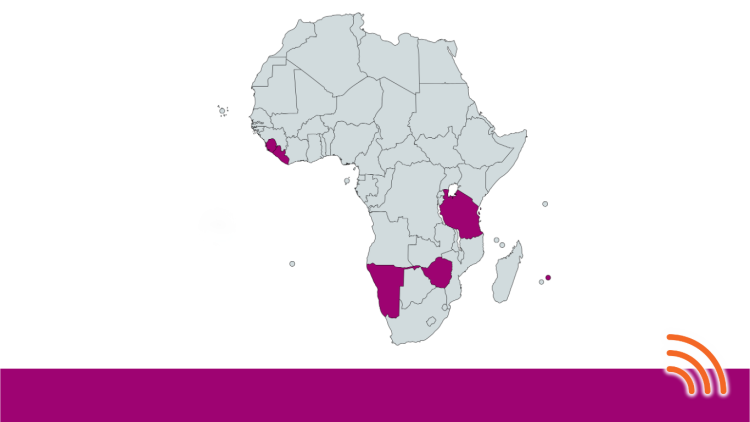
Read about the 8th cohort Europe phase here.
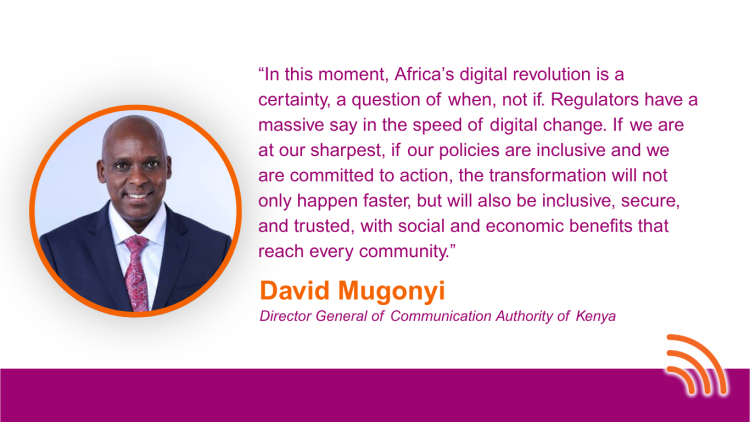
Opening the week’s sessions, David Mugonyi, Director General of the Communications Authority of Kenya, commended the spirit of peer‑to‑peer learning that defines iPRIS and the regulators’ role in advancing Africa’s digital revolution. He highlighted iPRIS’s practicality, noting that participation in the programme represents leadership through cooperation and mutual support. David Mugonyi emphasised that collaboration among regulators is vital because telecom challenges transcend borders, urging the telecom experts to share their experiences, implemented projects, and future plans.
Reflecting on Africa’s digital trajectory, Mugonyi remarked that Africa’s digital revolution is a certainty; it is simply a question of when. He stressed that regulators have a decisive influence on the speed and inclusivity of this transformation.
Sofie Hillbom, Deputy Ambassador at the Swedish Embassy in Kenya, reinforced this message during the opening session by encouraging regulators to view digital regulation not merely as a technical exercise but as a means of creating opportunities.
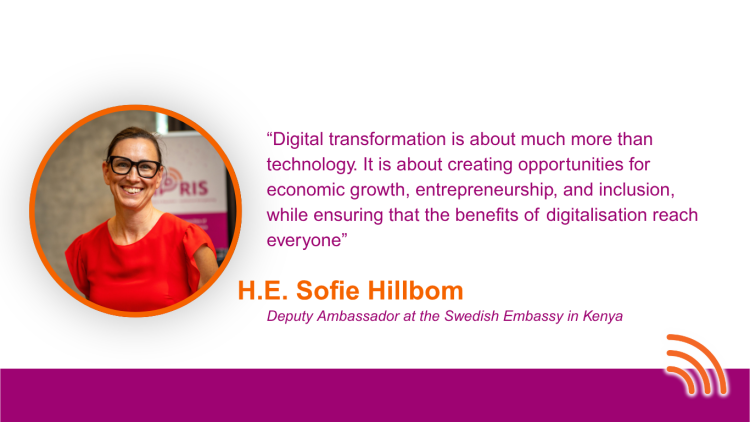
She explained that effective regulation enables innovation, drives socio‑economic growth, and strengthens institutions that support long‑term development. She also highlighted the importance of regional collaboration to address shared challenges such as cybersecurity and infrastructure access.
Read more about the opening session here.
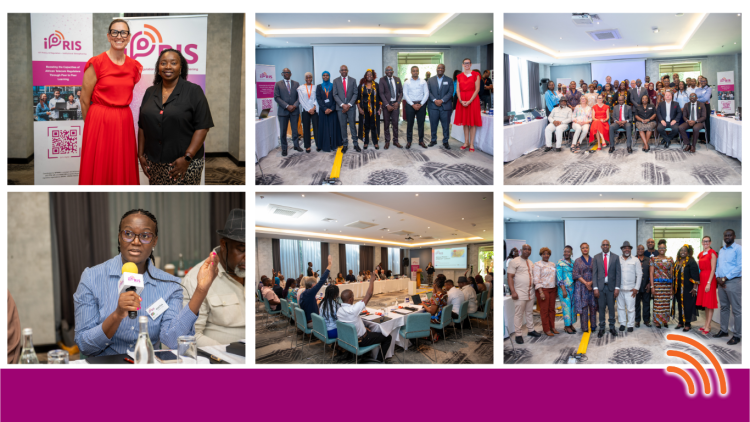
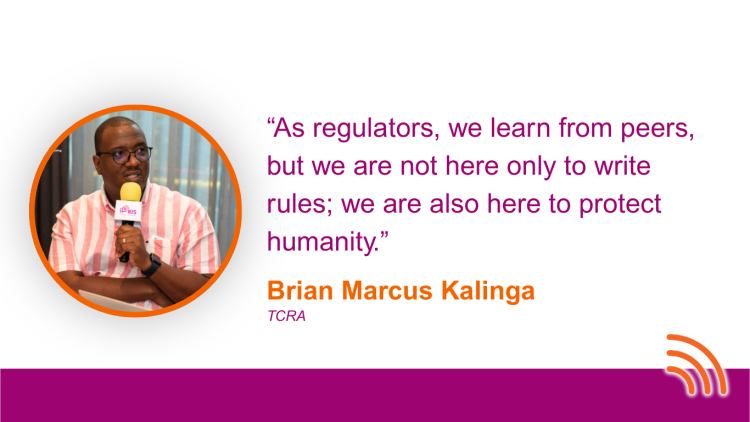
On the opening day, regulators showcased how their Change Initiatives are evolving to meet citizens’ needs in practical ways. Liberia’s Telecommunications Authority reflected the spirit of adaptation by revising its CI from 5G spectrum guidelines to technology‑neutral private network licensing, after consultations revealed more immediate gaps in industrial connectivity. This shift illustrates how regulators keep getting better as they share experiences and go back to the drawing board to adapt. In Tanzania, inclusivity took centre stage as Brian Marcus Kalinga of TCRA explained, the only challenge they anticipate is the collection part, because they currently have a gap in getting to know the children as well but have launched another Identification number called the Jamii number, which will soon start capturing people from as early as birth. This innovation promises better data on children and persons with disabilities, ensuring no one is left behind. Namibia’s CRAN emphasised foresight through regulatory sandboxes, preparing the ground for safe experimentation with emerging technologies. They explained the use of regulatory sandboxes to test disruptive technologies with mobile operators before wider implementation, allowing the regulator to identify lessons and areas for improvement.
Sierra Leone’s focus on LEO satellites underscored how connectivity can reach underserved communities, bridging digital divides. Zimbabwe’s telecom experts emphasised that cybersecurity is not only about technical safeguards but also about governance. Their framework integrates both cybersecurity and cybercrime within a single law, ensuring that protection of systems goes hand in hand with prevention and prosecution. Mauritius’ experts highlighted the importance of stakeholder cooperation in developing effective regulatory frameworks, emphasising plans to engage telecom operators, consumer associations, SMEs and the wider business community. Together, these stories reveal regulators’ commitment to people‑centered progress, adapting, innovating, and ensuring Africa’s digital future is inclusive, secure, and responsive to real needs.
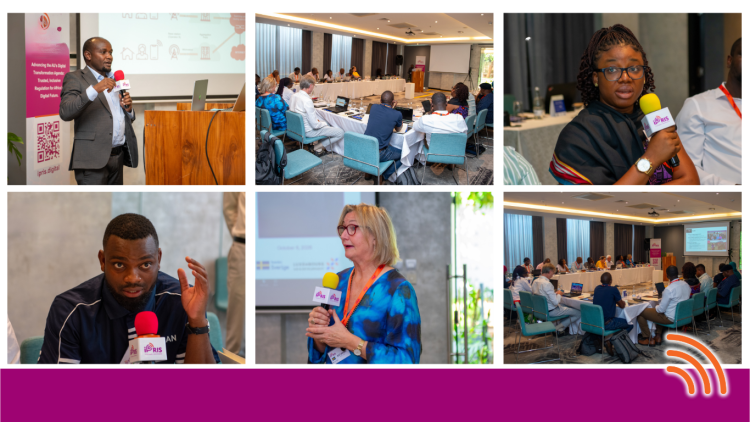
The iPRIS Nairobi phase continued with sessions that explored how digital regulation can shape inclusive growth and prepare Africa for a connected future. Discussions on Strategic Foresight, Diversity, Equity and Inclusion (DEI), Project Management, and Spectrum Management reflected how telecom regulators are translating global insights into practical actions that improve people’s lives.
Strategic Foresight, facilitated by Hans Hedin (PTS), explored how regulators can anticipate technological change and design policies that serve society. The session highlighted that foresight is not about predicting the future but preparing for it by ensuring that innovation remains human‑centred and sustainable. Telecom regulators examined how emerging technologies such as artificial intelligence influence economies, communities, and the environment, and how collaboration across sectors helps manage these impacts responsibly.
“As we look at emerging technologies through strategic foresight, we also have to consider the cybersecurity and privacy implications. If we are going to digitise services such as healthcare, we need to put measures in place to ensure that sensitive information is protected and that people can continue to enjoy their privacy.” — Hans Hedin, PTS
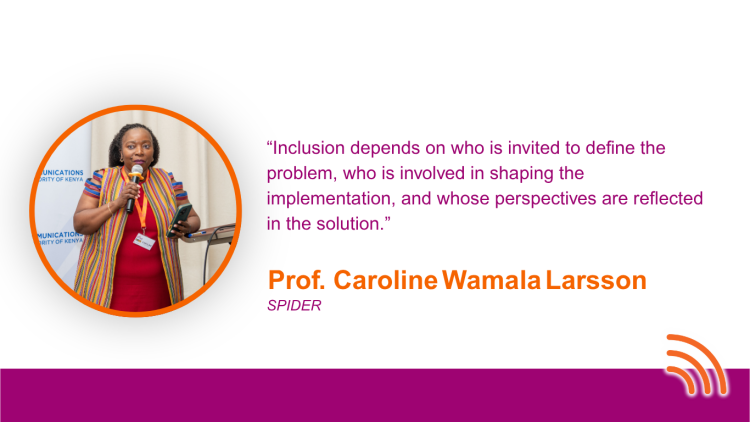
Building on this, Prof. Caroline Wamala Larsson (SPIDER) guided the DEI session, which focused on people and inclusion. Telecom regulators examined how digital policies can ensure equal access and representation, especially for women, youth, and persons with disabilities. Regulators shared examples of inclusive initiatives, TCRA showcased this through its accessible website initiative, inspiring other institutions to adopt similar features, proving how accessibility can spread and benefit more communities. The discussion emphasised that inclusion is not a one‑time goal but a continuous process of listening, adapting, and co‑creating solutions.
The Project Management and MEAL session complemented these reflections by exploring how regulators can measure success through outcomes that improve people’s lives rather than outputs like reports or systems. They discussed how focusing on long‑term results such as affordable connectivity, digital trust, and equitable access ensures that progress is sustainable and meaningful.
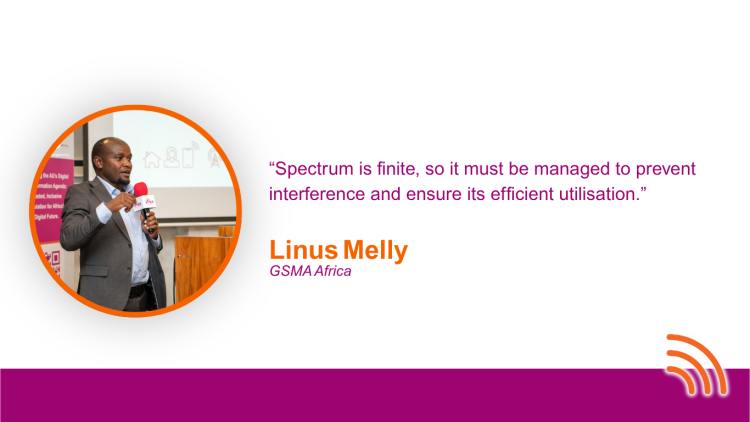
The Spectrum Management session, facilitated by Linus Melly (GSMA Kenya), brought a technical aspect into focus. Telecom regulators explored how the invisible radio waves that carry mobile signals shape everyday life from enabling phone calls and mobile internet to powering smart homes, digital agriculture, and emerging smart cities. When managed well, spectrum allows mobile operators to expand coverage, reduce costs, and deliver reliable connectivity that supports education, business, and innovation across communities.
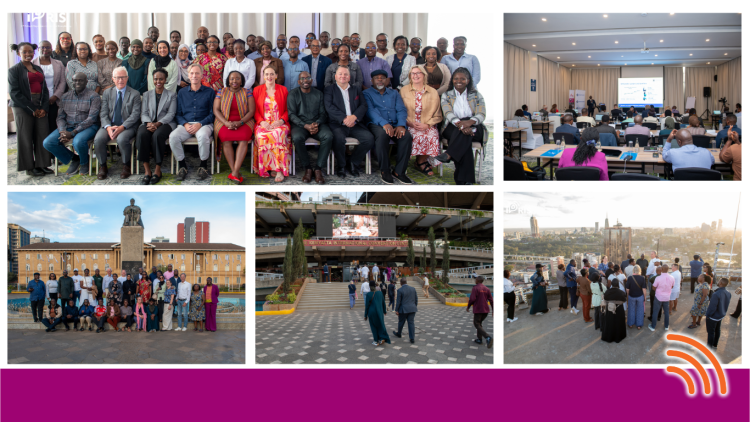
The EACO Working Group 5 meeting, jointly organised by CA Kenya and EACO, took place alongside the iPRIS project, offering telecom regulators a valuable platform to advance regional collaboration and share practical insights on how joint initiatives can accelerate Africa’s digital transformation. Kenya’s digital progress set the tone for the discussions — with 2.2 million active subscriptions, machine‑to‑machine applications up 24%, and mobile money reaching 54 million subscribers, generating nearly US$1 billion in daily transactions. These figures, shared by Dominic Ooko (CA Kenya), illustrate the scale of Kenya’s digital growth and echo his call for regulators to lead change through cooperation and innovation that benefits citizens.
CA Kenya shared a presentation on their Change Initiative on numbering, naming, and addressing from the fourth iPRIS cohort, which seeks to expand capacity, accommodate new technologies such as IPv6, and create opportunities for innovation and revenue generation. The initiative also responds to a landmark court ruling that recognised numbers as private digital identifiers which is reshaping how regulators approach number recycling and data protection. By embedding stakeholder consultation early in the process, the framework ensures flexibility and transparency while preparing for future technological shifts.
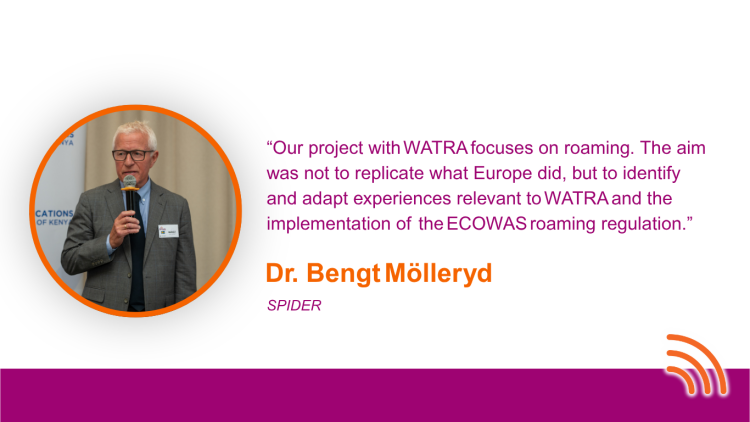
The meeting also featured Bengt Mölleryd (SPIDER), who shared progress on regional regulatory organisation projects under iPRIS. He highlighted collaborations with WATRA and ECOWAS on roaming regulation, where African and European experts share experiences; with CRASA on ICT indicator harmonisation to improve data quality and comparability; with ARTAC on ICT harmonisation to strengthen consistency; and with EACO on developing a lightweight web‑based portal for data reporting.
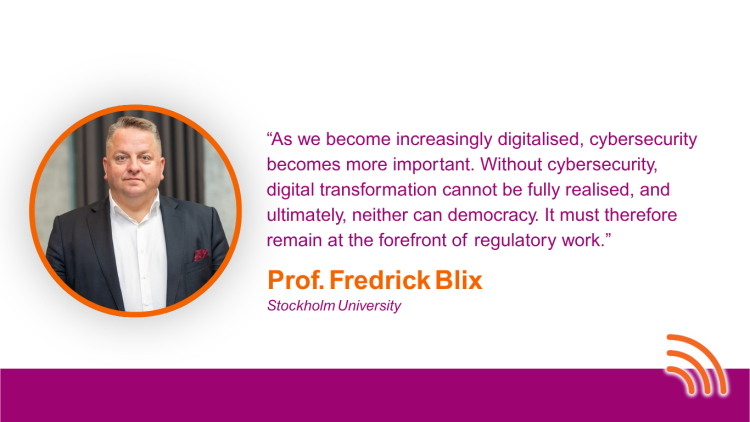
Cybersecurity emerged as a central theme, with Prof. Fredrik Blix (Stockholm University) emphasising that digital transformation cannot succeed without secure systems. He urged regulators to adopt comprehensive approaches that balance innovation with protection through integrating cybersecurity into every aspect of regulation, from data integrity to public trust. His remarks reminded regulators that safeguarding digital infrastructure is not only a technical necessity but also a democratic imperative.
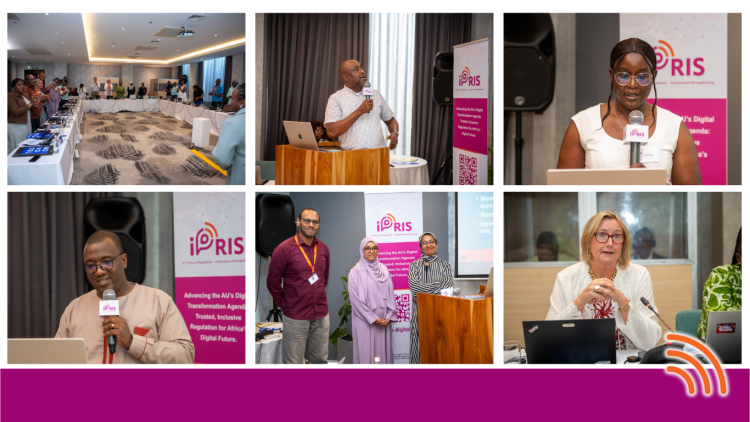
On the final day of the Nairobi cohort, National Regulatory Authorities presented their Way Forward, outlining next steps for implementing their Change Initiatives and sustaining collaboration beyond the workshop. Regulators emphasised the importance of maintaining momentum through continued peer learning and follow‑up engagements. One key point noted by the telecom regulators from other countries was Tanzania’s initiative under TCRA, which focuses on improving digital access for persons with disabilities — a model seen as vital for all regulators to consider in their own contexts. Melvin King (NatCA) remarked that Tanzania’s CI is particularly important for every country to hear, as it demonstrates how inclusive digital systems can transform lives. The session also featured virtual contributions from alumni and telecom experts, reinforcing the shared commitment to practical progress and long‑term impact across the continent.
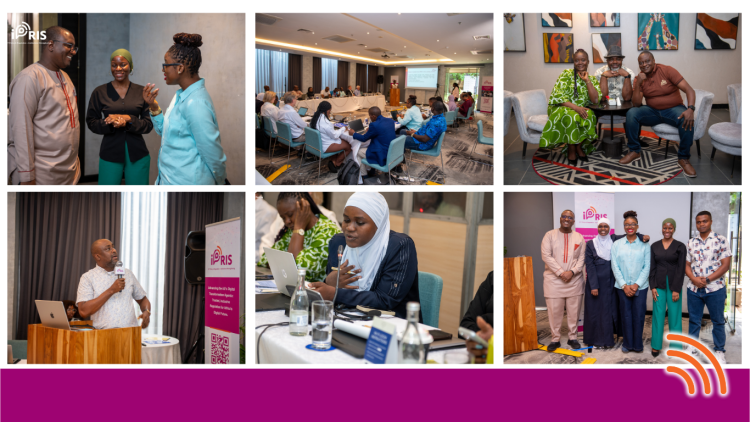
The Change Initiatives presented across the cohort reflect a growing movement toward stronger, more collaborative regulatory leadership in Africa. By addressing real institutional gaps and prioritising inclusive, forward‑looking solutions, African telecom regulators are contributing to a more resilient digital ecosystem. The expected impact goes beyond national reforms, it builds a foundation for regional cooperation, shared learning, and citizen‑focused regulation. As these initiatives move into implementation, they signal a collective commitment to shaping Africa’s digital future through innovation, accountability, and people‑centered governance.
Watch highlights from Nairobi below
iPRIS is coordinated and implemented by SPIDER in strategic and technical partnership with the Swedish Post and Telecom Authority (PTS), Institut luxembourgeois de régulation (ILR), Autoridade Nacional de Comunicações (ANACOM), as well as ARTAC, CRASA, EACO, and WATRA.
iPRIS is funded by the European Union, Sweden, and Luxembourg as part of the Team Europe Initiative “D4D for Digital Economy and Society in Sub-Saharan Africa” (Code: 001).
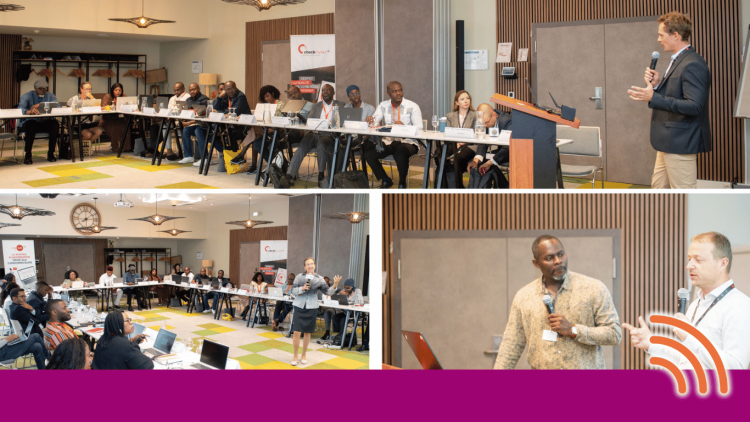
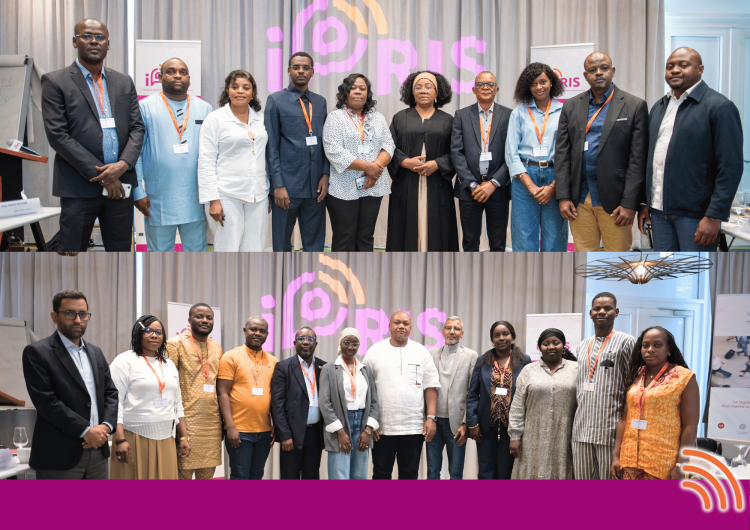
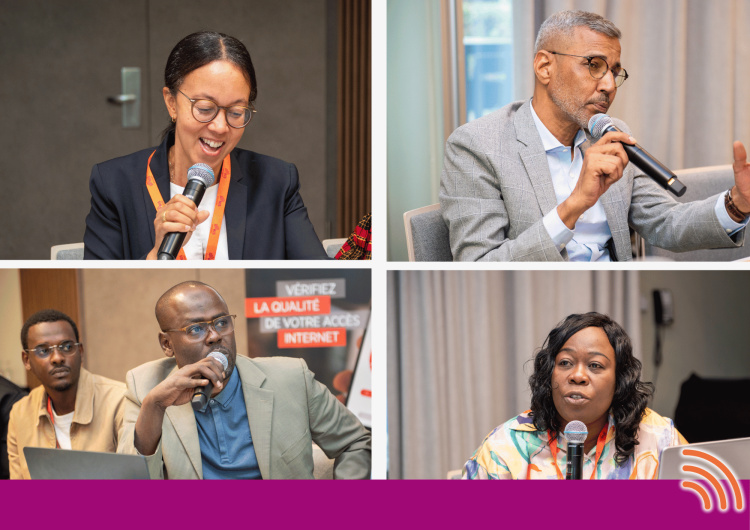
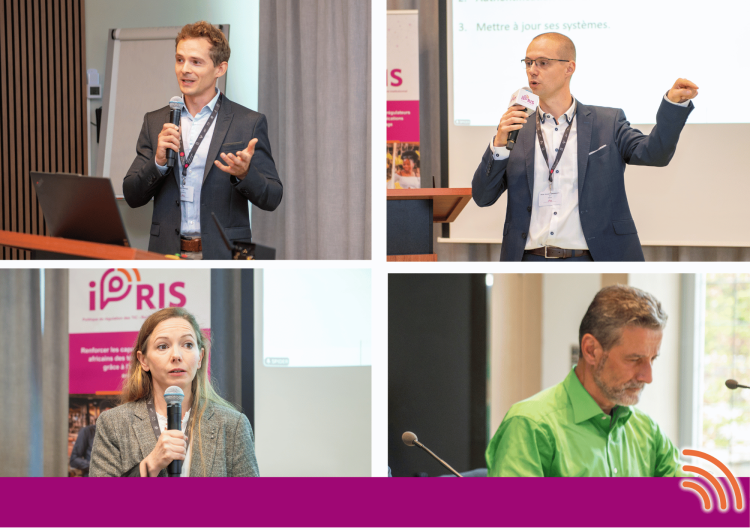
Telecommunications regulators and experts from eight Francophone African countries recently concluded a two-and-a-half-week peer-to-peer exchange in Luxembourg, held from 6–23 September 2026 under the ICT Policy and Regulation – Institutional Strengthening (iPRIS) project. The exchange brought together telecommunications experts from 13 countries across Africa and Europe to share expertise, strengthen regulatory cooperation and explore innovative approaches to advancing digital connectivity.
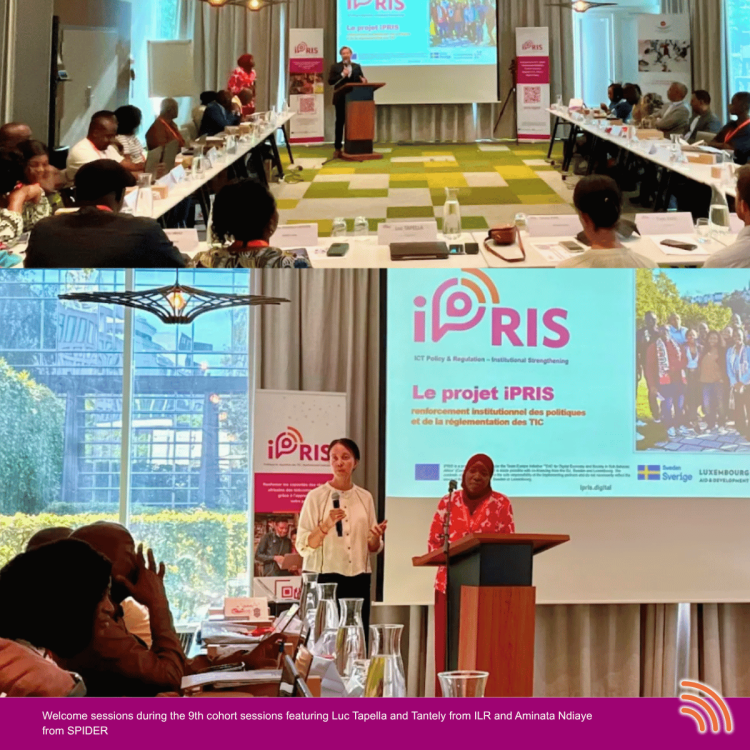
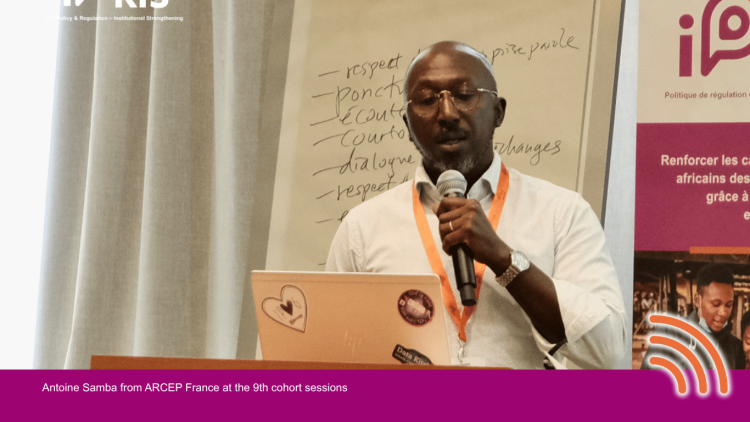
The peer-to-peer exchange brought together telecommunications regulators and experts from Benin, Cameroon, the Central African Republic, Chad, Côte d’Ivoire, the Democratic Republic of the Congo, Mauritania and Senegal, alongside regional regulatory organisations WATRA and ARTAC. They exchanged experiences with peers from Luxembourg’s telecommunications regulator, ILR, and telecommunications experts from IBPT (Belgium), ARCEP France, BNetzA (Germany), and OFCOM (United Kingdom), creating a platform to share regulatory experiences, learn across jurisdictions, and strengthen cooperation across Africa and Europe.
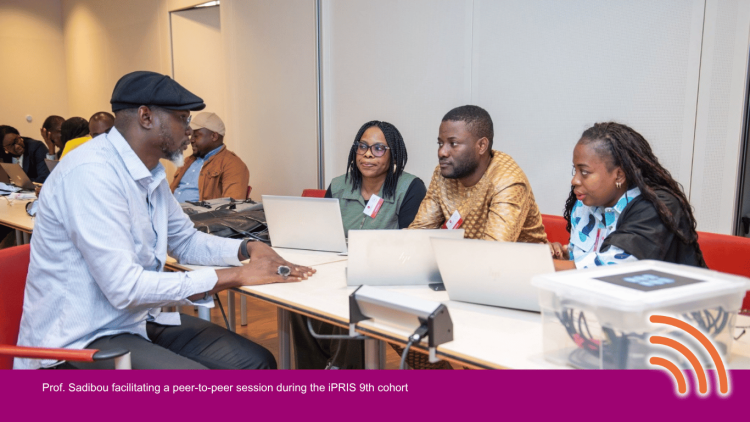
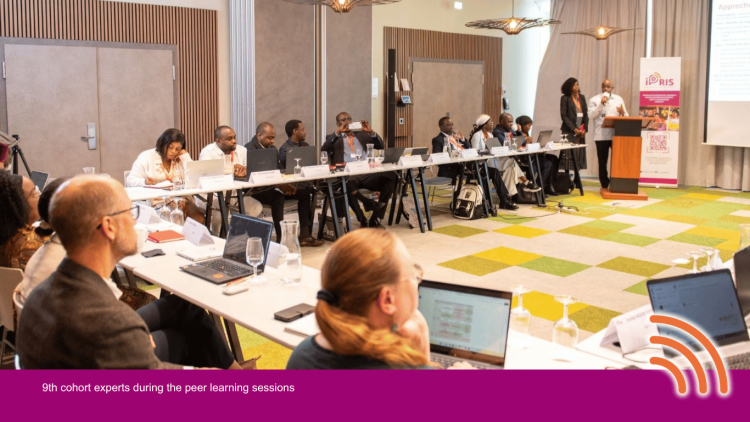
At the heart of iPRIS are the Change Initiatives: practical projects developed by regulators to address specific priorities within their institutions and countries. Through peer-to-peer sessions, regulators share progress, challenges and lessons, drawing on experiences across jurisdictions to strengthen their approaches. The initiatives cover areas shaping Africa’s digital future, including spectrum management, connectivity, cybersecurity, consumer protection and digital inclusion, helping translate peer learning into practical institutional change.
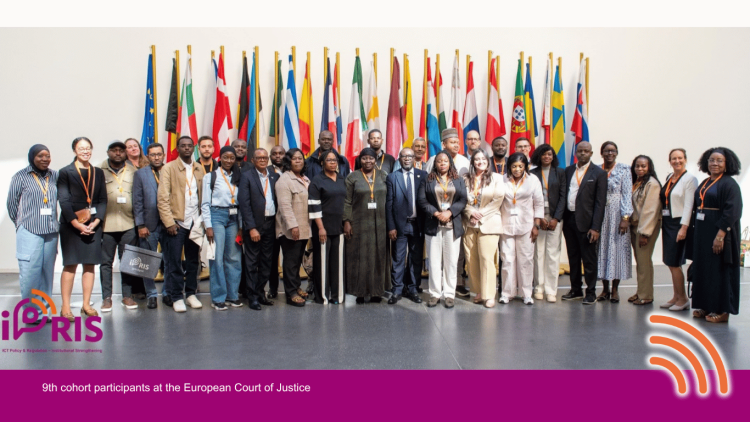
The experts visited the Court of Justice of the European Union (CJEU) to explore how EU law is interpreted and applied consistently across member states. Judge Ulf Öberg and Raphaël Meyer offered insights into legal oversight and enforcement relevant to their work as regulators.
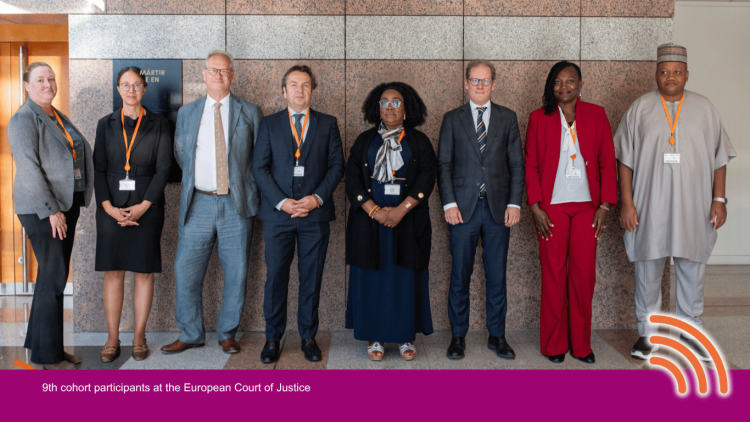
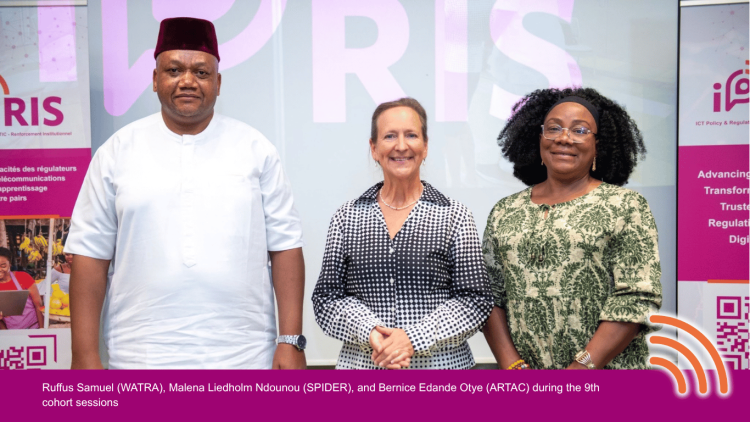
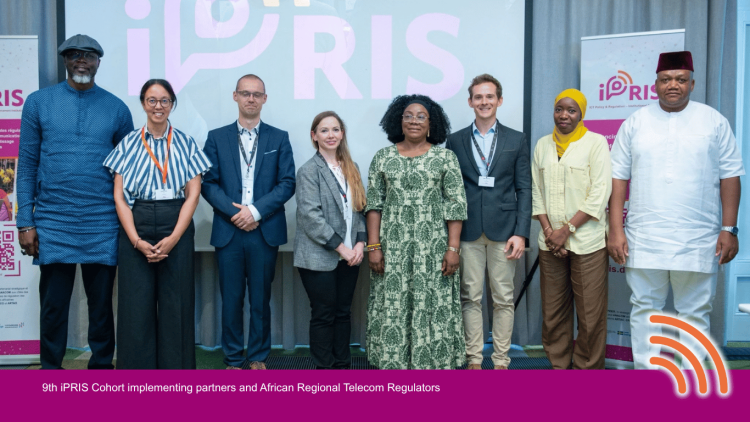
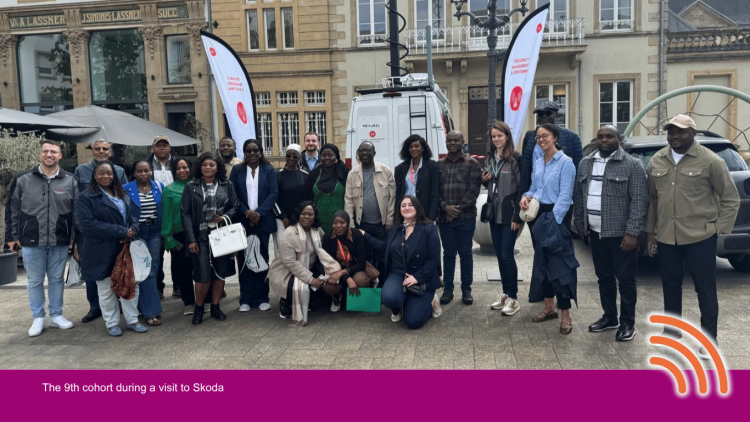
A visit to satellite operator SES provided an opportunity to explore how multi-orbit satellite technologies can complement terrestrial networks and potentially extend connectivity to underserved zones. Experts also observed spectrum monitoring in practice during the Škoda Tour de Luxembourg, providing practical exposure to spectrum management in an environment where thousands of users and multiple communications systems converge.
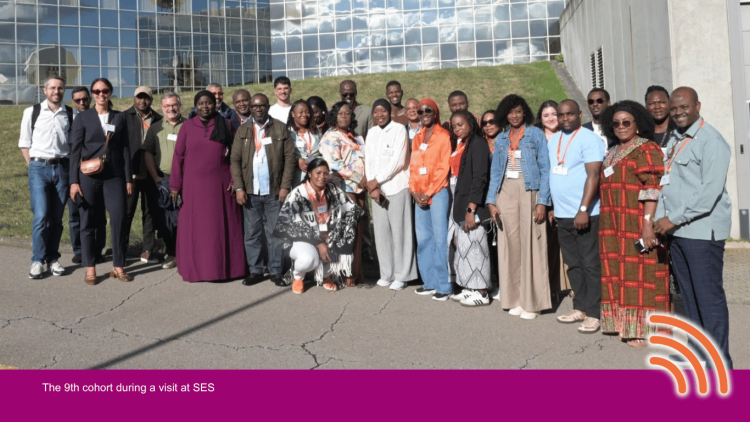
Key discussion points included cybersecurity and consumer protection, which were also central to the exchange, including discussions on emerging threats such as AI-enabled scams, credential harvesting and social engineering, and their implications for regulators and consumers.
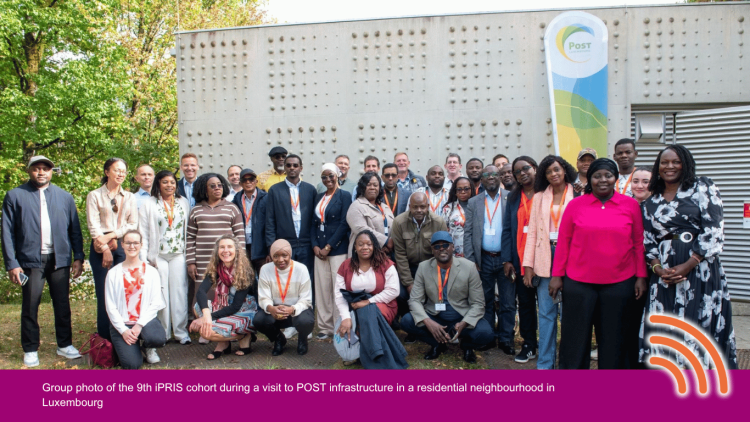
For regulators, emerging ICT issues and challenges increasingly extend beyond national borders. Spectrum, satellite networks, cybersecurity threats and digital services do not stop at national frontiers, making regulatory coordination, knowledge exchange and harmonisation increasingly important.
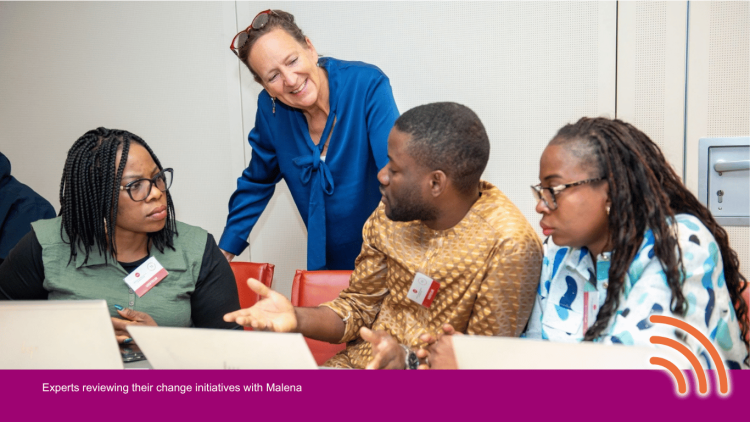
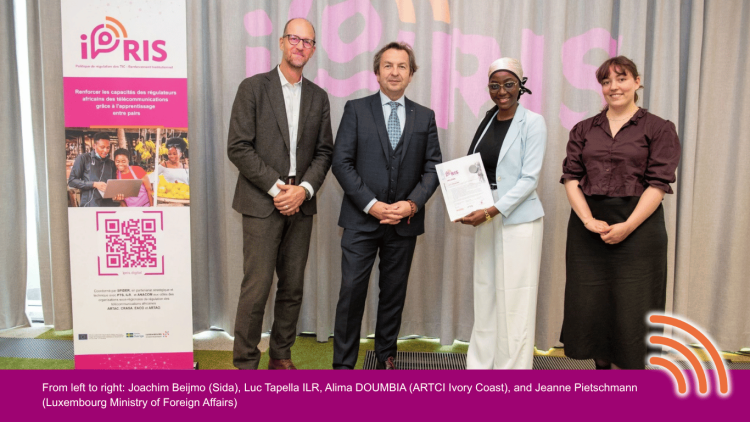
As the experts return to their respective countries, the focus shifts from exchange to implementation: translating shared insights, new partnerships and regulatory approaches explored with fellow telecom peers into stronger institutions and practical regulatory action that can contribute to a more connected, secure and inclusive African digital ecosystem. The experts will connect again in 6 months in Cameroon to review the progress of their change initiatives.
iPRIS is coordinated and implemented by SPIDER in strategic and technical partnership with the Swedish Post and Telecom Authority (PTS), Institut luxembourgeois de régulation (ILR), Autoridade Nacional de Comunicações (ANACOM), as well as ARTAC, CRASA, EACO, and WATRA.
iPRIS is funded by the European Union, Sweden, and Luxembourg as part of the Team Europe Initiative “D4D for Digital Economy and Society in Sub-Saharan Africa” (Code: 001).
8th iPRIS cohort follow- up phase in Nairobi, Kenya
NAIROBI, Kenya — 5 October 2026
Telecommunications regulators and experts from across Africa and Europe are meeting in Nairobi for a five-day iPRIS peer-to-peer exchange. The discussions will focus on advancing country-led Change Initiatives, sharing regulatory experiences and responding to emerging digital challenges.
The ICT Policy and Regulation – Institutional Strengthening (iPRIS) project is currently convening its eighth cohort in Nairobi, bringing together telecommunications regulators and experts from across Africa for a peer-to-peer exchange focused on strengthening regulatory capacity, cooperation and responses to the continent’s rapidly evolving digital landscape.
Running from 5–9 October 2026, the peer-to-peer session brings together national regulatory authorities from Liberia (LTA), Mauritius (ICTA), Namibia (CRAN), Sierra Leone (NatCA), Tanzania (TCRA) and Zimbabwe (POTRAZ), alongside regional regulatory organisations, notably the Communications Regulators’ Association of Southern Africa (CRASA), East African Communications Organisation (EACO) and West Africa Telecommunications Regulators Assembly (WATRA). The Nairobi phase also connects African regulators with iPRIS implementing partners and experts from Sweden (SPIDER & PTS), Luxembourg (ILR) and Portugal (ANACOM), creating a platform for sharing regulatory experience across national, regional and international contexts.
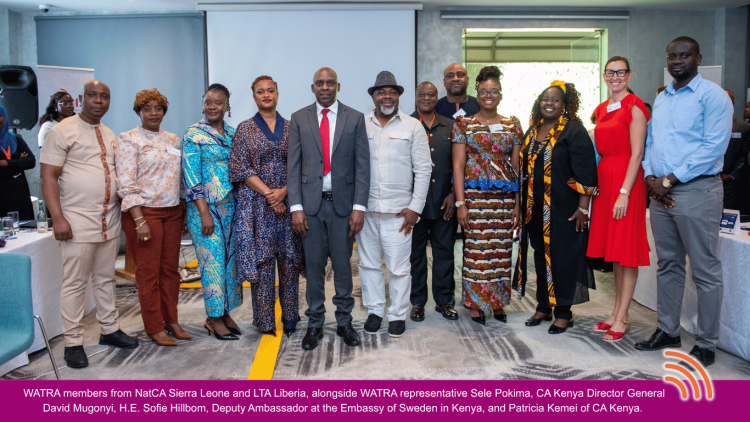
The opening session on Monday 5th October morning, moderated by Edna Soomre, iPRIS Project Lead, set the tone for five days of peer learning, practical discussions and knowledge exchange on some of the major global issues shaping telecommunications regulation and Africa’s digital future.
In his welcoming remarks, David Mugonyi, Director General of the Communications Authority of Kenya, underscored the importance of regulatory cooperation as African countries navigate an increasingly complex and interconnected digital environment.
“Across Africa, telecom regulators are confronting difficult questions around competition, consumer protection, cybersecurity, trust, online safety, inclusion and sustainable investment. We face similar challenges, but we have diverse approaches and unique solutions,” Mugonyi said. “Learning from a regulator’s approach in Namibia or drawing inspiration from an innovative solution in Sierra Leone is invaluable.”
His remarks reflected a central principle of the iPRIS peer-to-peer approach: while countries have different regulatory and institutional contexts, many of the challenges created by digitalisation increasingly transcend national borders. Sharing regulatory experience enables regulators to learn what has worked elsewhere, examine different approaches and adapt relevant solutions to their own national contexts.
Prof. Caroline Wamala Larsson, Director of SPIDER, highlighted the crucial role regulators play in determining how Africa’s digital transformation is experienced by citizens, businesses and communities.
“Each country has its own regulatory challenges and institutional context. But sharing what has worked, what has not, and what you are discovering along the way has tremendous value,” Wamala Larsson said.
“Ultimately, Africa’s digital transformation will not be measured only by how much infrastructure we build or how rapidly we introduce new technologies, including AI. It will also be measured by who can access these technologies, who can use them meaningfully, who benefits from them, and who may still be left behind.”
H.E. Sofie Hillbom, Deputy Ambassador at the Embassy of Sweden in Kenya, welcomed the experts to Nairobi and commended Kenya’s leadership in digital innovation. She noted that Sweden’s co-financing of iPRIS, together with the European Union and Luxembourg, reflects a commitment to strengthening institutions that contribute to development and long-term prosperity.
“Digital technologies transcend sectors and enable socio-economic growth,” Hillbom said, emphasising the importance of regional cooperation in responding to shared challenges such as cybersecurity.
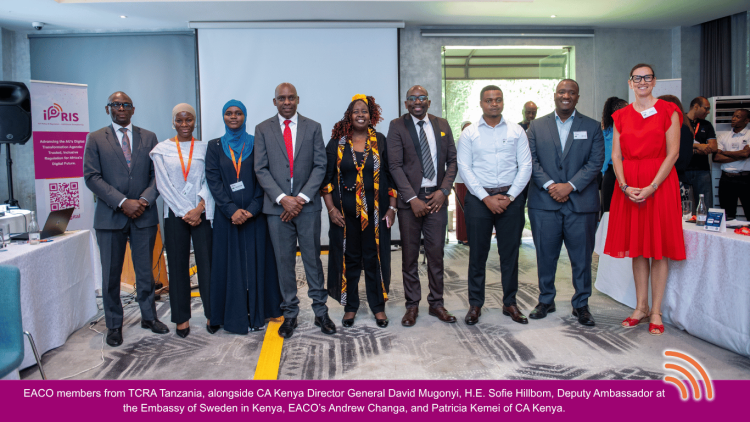
Over the next five days, regulators will focus on the progress of their Change Initiatives, also known as practical institutional projects developed by each regulatory authority to address a specific regulatory challenge or priority in their country. The change initiatives are designed to translate learning from the iPRIS peer-to-peer sessions into concrete action within participating regulatory institutions.
Working in peer groups, telecom regulators will present progress on their projects, discuss challenges encountered during implementation and draw on the experiences of colleagues from other countries to strengthen their approaches. Through this exchange, regulators working on similar or related challenges can compare experiences, test ideas, and identify solutions they can adapt to their respective national and institutional contexts.
The Change Initiatives address regulatory priorities including spectrum management, connectivity, cybersecurity, consumer protection and digital inclusion. Launched during the cohort’s first convening in Sweden in May 2026, the initiatives have now reached their halfway point. In Nairobi, regulators from across the six African countries will share their experiences, progress and lessons with one another, comparing how different countries are responding to similar regulatory challenges. Colleagues from the Swedish Post and Telecom Authority (PTS) will also take part, both in Nairobi and remotely, sharing experiences from the Swedish and European regulatory context. The exchange will also include Prof. Fredrik Blix of Stockholm University, who will engage with peers on cybersecurity, and Hans Hedin from PTS, joining remotely, as discussions explore strategic foresight. Across the sessions, experts from Africa and Europe will exchange experiences, compare approaches and consider how evolving technologies, risks and regulatory challenges are being addressed across different jurisdictions. Following the Nairobi exchange, regulators will continue implementing and refining their Change Initiatives, with final reports due in May 2027 documenting progress, results and institutional learning.
iPRIS is coordinated and implemented by SPIDER in strategic and technical partnership with the Swedish Post and Telecom Authority (PTS), Institut luxembourgeois de régulation (ILR), Autoridade Nacional de Comunicações (ANACOM), as well as ARTAC, CRASA, EACO, and WATRA.
iPRIS is funded by the European Union, Sweden, and Luxembourg as part of the Team Europe Initiative “D4D for Digital Economy and Society in Sub-Saharan Africa” (Code: 001).
The iPRIS project will once again convene its eighth cohort this time in Nairobi Kenya, from 5th to 9th October 2026. Over five days, National Regulatory Authorities (NRAs) and Regional Regulatory Organisations (RROs) will gather to advance ongoing Change Initiatives (CIs) and deepen collaboration on some of the most pressing challenges shaping Africa’s digital future. The five‑day Nairobi session will bring together telecom experts from the Liberia Telecommunications Authority (LTA Liberia), Communications Regulatory Authority of Namibia (CRAN), Information and Communication Technologies Authority of Mauritius (ICTA), National Telecommunications Commission of Sierra Leone (NATCOM), Tanzania Communications Regulatory Authority (TCRA), and the Postal and Telecommunications Regulatory Authority of Zimbabwe (POTRAZ) to advance Change Initiatives (CIs) from policy concepts to practical regulatory action. They will be joined by implementing partners, SPIDER and the Swedish Post and Telecom Authority (PTS), representatives of the European Union, and regional regulatory organizations, including the Communications Regulators’ Association of Southern Africa (CRASA), the East African Communications Organisation (EACO), and the West Africa Telecommunications Regulators Assembly (WATRA).
The Nairobi phase will build directly on the outcomes of the previous convening in Stockholm in April 2026, where the 8th cohort experts discussed policy foresight and collaborative approaches. Lessons gained from the discussions will be adapted to African realities, ensuring that strategies are not only globally informed but also regionally relevant. Over the course of the week, participants will focus on translating these insights into practical regulatory action, strengthening institutional capacity, and advancing Change Initiatives that respond to Africa’s digital priorities.
Read more about the Stockholm round here.
Watch highlights from Stockholm below
The 9th iPRIS cohort (a Francophone cohort including Cameroon, Chad, Senegal, Benin, Côte d’Ivoire, Mauritania, the Central African Republic and the Democratic Republic of Congo) recently completed its first meeting of the cycle in Luxembourg. In November, iPRIS will welcome its 10th cohort in Sweden, a remarkable milestone that will further expand the iPRIS network. As a growing community of regulatory experts, the regional collaboration is becoming increasingly evident. In 2026, Senegal, Benin, and Togo launched free roaming under the ECOWAS Regional Roaming Regulation, giving subscribers access to calls and data at local rates across borders. At the same time, Senegal and The Gambia advanced their bilateral roaming agreement to improve spectrum coordination and reduce interference, while the East African Community One Network Area continued to link Kenya, Uganda, Rwanda, and South Sudan with roaming‑free calls. These milestones show how countries are working together to lower costs and strengthen integration across Sub‑Saharan Africa.
Regional organisations have reinforced this momentum. At the WATRA AGM in Lomé, regulators examined roaming models to balance affordability and sustainability, while the CRASA AGM in Lilongwe explored the new G5 regulation framework for building adaptive digital systems. The Nairobi phase will also coincide with the EACO Working Group 5 (Broadcasting & Spectrum) meeting hosted by the Communications Authority of Kenya (CA). In 2026, CA launched its Digital Skilling Project, investing KSh 100 million to train 120,000 Kenyans across 19 counties, equipping citizens with digital skills for education, entrepreneurship, financial inclusion, and access to services. Together, these initiatives highlight how regional collaboration is shaping national programmes that deliver tangible benefits to communities.
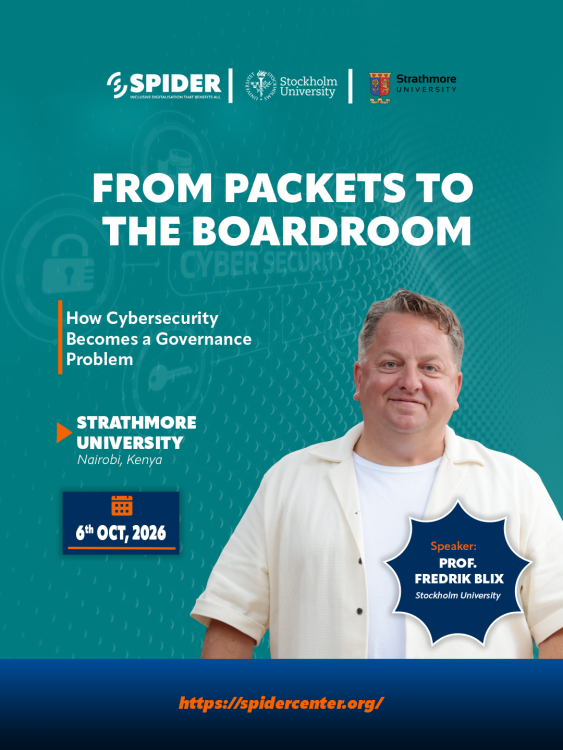
The programme will open with welcoming remarks and updates from the telecom experts on their Change Initiatives. Day 2 will cover foresight, inclusivity, project management, and MEAL. Day 3 will feature closed expert sessions to refine national strategies, while Day 4 will spotlight CA Kenya’s time in iPRIS, EACO Working Group 5, and a session on governing cybersecurity. The cybersecurity session will include discussions between the experts and Prof. Fredrik Blix, an associate professor and cybersecurity expert at Stockholm University. Prof. Blix will also hold a lecture and discussion at Strathmore University titled ‘From packets to the boardroom: How cybersecurity becomes a governance problem.'
The final day will conclude with way‑forward discussions as NRAs present their initiatives and outline next steps for implementation. Day 5 includes a session on how Kenya's telecom sector pioneered mobile money, just before the way-forward discussions. The session on the rise of M-Pesa will offer insights into how innovation and regulation can evolve together to expand digital access and financial inclusion.
The Nairobi phase as part of the iPRIS 8th Cohort Cycle is not an end but a continuation of the journey that began in Stockholm earlier this year. It represents the next step in translating shared insights into practical action. As participants build on their Change Initiatives and strengthen cross-regional collaboration, the momentum created here will carry forward into future engagements. Each phase deepens the collective effort, reinforcing that regulatory transformation is an ongoing process.
Read more about the previous 7th, 6th, and 5th cohort meetings in Africa
iPRIS is coordinated and implemented by SPIDER in strategic and technical partnership with the Swedish Post and Telecom Authority (PTS), Institut luxembourgeois de régulation (ILR), Autoridade Nacional de Comunicações (ANACOM), as well as ARTAC, CRASA, EACO, and WATRA.
iPRIS is funded by the European Union, Sweden, and Luxembourg as part of the Team Europe Initiative “D4D for Digital Economy and Society in Sub-Saharan Africa” (Code: 001).
The Postal and Telecommunications Regulatory Authority (ARPT) of the Republic of Guinea, together with Arcep France, which will serve as interim chair of FRATEL in 2026, will host the 24th annual meeting of the Francophone Telecommunications Regulatory Network. The event is scheduled for Thursday, October 29, through Friday, October 30, 2026, at the Radisson Blu Hotel in Conakry.
This year’s theme is: “What measures can be taken to support the deployment of digital infrastructure?”
Three roundtable discussions will form the basis of the proceedings. The first will focus on innovative public initiatives to ensure comprehensive fixed-line networks and improve mobile coverage. The second will examine measures to achieve the objectives set out in regional digital development plans. The third will explore the support available for the deployment of new digital infrastructure.
The event will actually begin on Wednesday, October 28. On that day, the ITU will host a workshop on its Global Economic Modeling and Simulation (GEMS) tool, which is dedicated to the deployment of digital infrastructure, subject to availability. On the same day, leaders from FRATEL member authorities will meet to discuss the role of various institutional actors in regional digital development.
On Saturday, October 31, an informal gathering of participants will bring the week to a close, allowing discussions to continue in a more relaxed setting.
For French-speaking regulators, many of whom participate in the iPRIS project, this meeting provides a valuable opportunity to share concrete experiences on a key issue: ensuring that digital infrastructure truly reaches the population, including in the most underserved areas. In Guinea, as elsewhere in French-speaking Africa, the quality of regulation largely determines the speed and equity of deployment.
Practical information and the detailed agenda will be released shortly by FRATEL.
Africa's digital economy continues to gather momentum. Mobile technologies and services contributed an estimated USD 240 billion to the continent's economy in 2025 and are projected to reach USD 290 billion by 2030. While this growth reflects significant progress in expanding digital infrastructure, the next phase of Africa's digital transformation will depend on ensuring that more people are able to use, trust and benefit from digital services.
These issues were explored in a recent CNBC Africa interview with Aliyu Yusuf Aboki, Executive Secretary of the West Africa Telecommunications Regulators Assembly (WATRA). Building on conversations from the WSIS Forum 2026 in Geneva, Mr Aboki shared why stronger ICT policy, smarter regulation and regional cooperation will be critical to attracting investment, strengthening digital resilience and creating more inclusive digital economies across Africa.
Despite major investments in digital infrastructure, millions of Africans remain disconnected from the opportunities the digital economy offers.
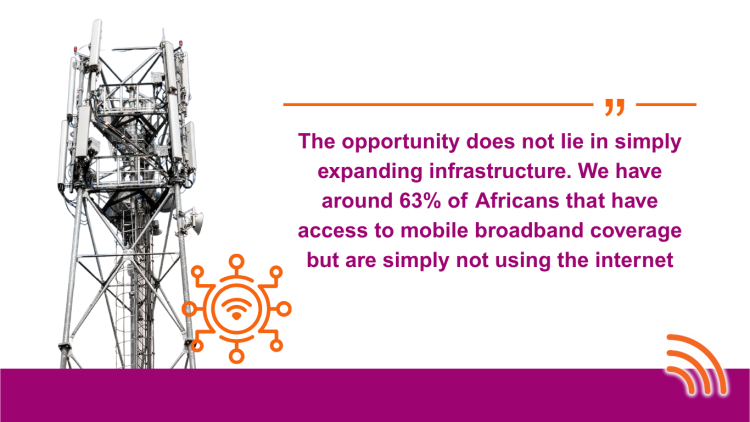
Closing this usage gap, he noted, will require more than network expansion. It will depend on creating the right policy environment, building digital skills, strengthening trust in digital services and encouraging collaboration among governments, regulators, the private sector and development partners.
For Mr Aboki, regulation is not simply about compliance. It is about creating the certainty that encourages investment and allows digital markets to grow.
Using a simple analogy, he described his role as helping regulators learn from one another rather than solving the same challenges independently.
"I spend time encouraging regulators to copy the best regulatory ideas as fast as possible,"
When countries share successful approaches and work towards greater regulatory consistency, investors gain more predictable operating environments, making it easier to invest across borders while improving affordability and accelerating digital connectivity. This collaborative approach is also reflected in iPRIS, which enables telecom regulators across Africa to undertake peer learning and regional cooperation.
The conversation also reflected on the widespread disruption caused by submarine cable outages in West Africa, which affected businesses, financial services and digital communications across several countries. For Mr Aboki, the experience highlighted the importance of strengthening infrastructure resilience through greater regional cooperation. Improving infrastructure diversity, strengthening coordination between governments and industry and reducing repair times will all play an important role in protecting the digital services that people and businesses increasingly rely on.
As more public services, banking and commerce move online, resilient digital infrastructure has become essential for economic stability, investor confidence and cross-border digital trade.
The interview reinforced a message that resonated throughout the WSIS Forum 2026: expanding connectivity is only one part of Africa's digital transformation journey. Equally important are the policies, institutions and partnerships that create trusted digital markets and enable more people to participate in the digital economy. As these partnerships continue to grow, they are helping create an environment where innovation, investment and digital inclusion can advance together.
Mr Aboki remains optimistic about Africa's digital future.
Watch the full CNBC Africa interview here: WATRA: Closing internet usage gap next digital opportunity for Africa | CNBC Africa
iPRIS is coordinated and implemented by SPIDER in strategic and technical partnership with the Swedish Post and Telecom Authority (PTS), Institut luxembourgeois de régulation (ILR), Autoridade Nacional de Comunicações (ANACOM), as well as ARTAC, CRASA, EACO, and WATRA.
iPRIS is funded by the European Union, Sweden, and Luxembourg as part of the Team Europe Initiative “D4D for Digital Economy and Society in Sub-Saharan Africa” (Code: 001).
The World Summit on the Information Society (WSIS) Forum is recognised as the foremost global event dedicated to shaping the future of digital development. It is convened annually by the International Telecommunication Union (ITU) in partnership with UNESCO, UNDP, and other United Nations agencies. The 2026 edition took place in Geneva, Switzerland, from 6 to 10 July 2026. The Forum brought together policymakers, regulators, academics, civil society representatives, and private-sector leaders to deliberate on strategies and partnerships to advance inclusive digital transformation. Its goal is to promote collaboration and knowledge exchange so that digital technologies become powerful instruments for sustainable development across all regions of the world. According to the ITU (2023), nearly 2.6 billion people worldwide remain offline, underscoring the urgency of initiatives to expand meaningful connectivity and bridge the digital divide.
Within this global conversation, SPIDER (Swedish Program for ICT in Developing Regions) hosted a WSIS session on 8 July 2026 titled “Enabling Inclusive Digital Development: Regulatory Capacity-Building through Multilingual Peer-to-Peer Learning between the EU and Sub-Saharan Africa.”The session focused on how telecom regulation plays a critical role in promoting sectors such as education, the economy, and healthcare, using iPRIS as a case study. What emerged was a deep exploration of how regulation, cooperation, and accessibility form the backbone of meaningful digital transformation. The panel was moderated by Aliyu Aboki, who guided the conversation with precision and insight. The speakers included Edna Soomre from SPIDER, Katarina Schyberg from the Swedish Post and Telecom Authority (PTS), Tantely Jeans from Luxembourg’s ILR, and Manuel Cabugueira from Portugal’s ANACOM. Each brought a distinct perspective shaped by their regulatory experience and regional context.
The discussion began with the recognition that regulation is not merely a technical framework but a social instrument that determines whether technology truly serves people.
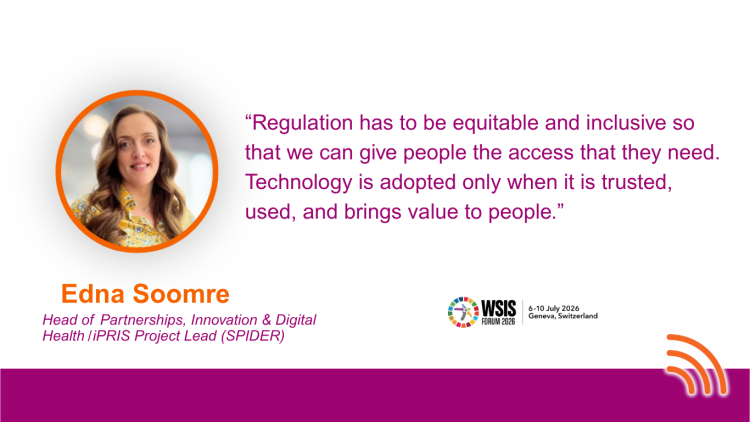
She explained that SPIDER’s work through projects like iPRIS focuses on institutional strengthening, building trust, continuity, and resilience among regulators. She gave concrete examples of how iPRIS has helped regulators from sub-Saharan Africa collaborate across linguistic and regional boundaries. For instance, she described how regulators from Tanzania and Uganda worked together to harmonise guidelines for rural connectivity, ensuring underserved communities could access affordable, reliable networks. She also noted that iPRIS’ multilingual cycles in English, French, and Portuguese have allowed neighbouring countries that previously struggled to communicate effectively to now share regulatory frameworks and coordinate cross-border digital initiatives.
Katarina Schyberg expanded on the peer-to-peer learning model that defines iPRIS. She described how European and African regulators exchange experiences on shared challenges such as market competition, cybersecurity, and satellite communications.
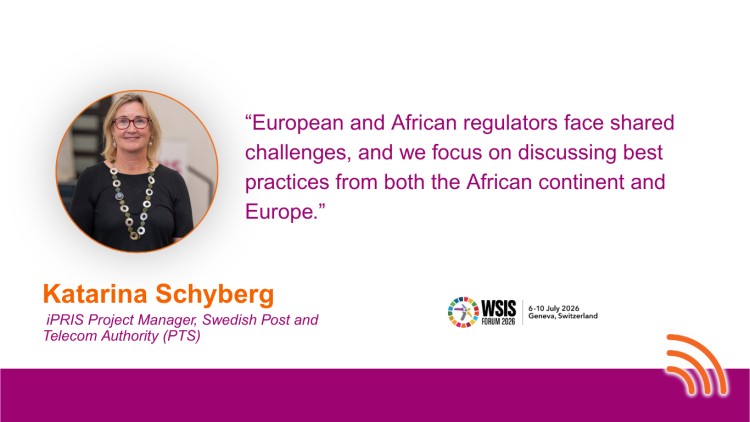
Schyberg explained that during the six English-speaking cohorts conducted so far, regulators from nineteen English-speaking African countries have participated in intensive three-week knowledge-exchange sessions. Each delegate brings a national project (referred to as a Change Initiative) and refines it through collaboration with peers and experts from Africa and Europe. She cited examples of regulators from Kenya and Ghana who developed frameworks for consumer protection in digital services after learning from Sweden’s experience with transparent pricing and fair competition.
Aliyu Aboki underscored the importance of accessibility and language in ensuring effective collaboration.
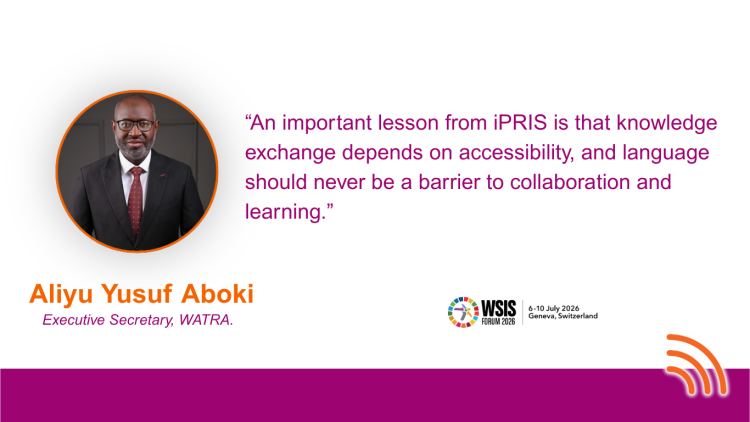
His point resonated deeply with the multilingual nature of iPRIS, which bridges linguistic divides and fosters cooperation among English-, French-, and Portuguese-speaking regulators. Aboki highlighted that linguistic inclusion is not a symbolic gesture but a practical necessity, and without it, entire populations risk being excluded from digital progress.
Tantely Jeans of Luxembourg’s ILR brought a human dimension to the conversation, reminding the attendees that technology alone cannot guarantee progress.
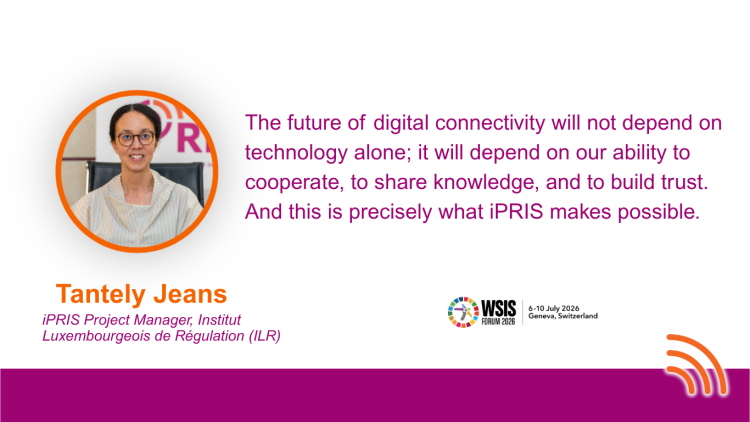
She explained how ILR leverages European regulatory networks such as FRATEL and BEREC to connect African and European regulators. Jeans shared a compelling example of how Tanzanian and Gabonese regulators collaborated through iPRIS to coordinate the rollout of fibre infrastructure, ensuring orderly and efficient deployment. She also noted that, through the Francophone cycles, regulators from countries such as Senegal and Benin have worked with European counterparts to develop data governance frameworks that balance innovation with privacy protection.
Adding an economic perspective, Manuel Cabugueira of ANACOM reflected on how regulatory cooperation extends beyond learning and technology sharing.
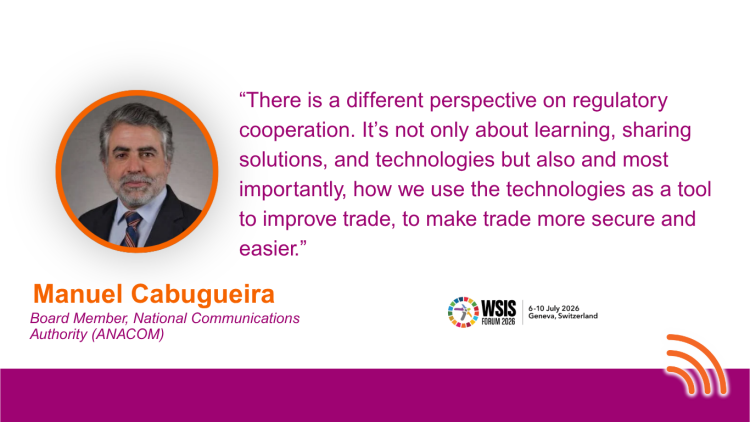
He explained that ANACOM’s collaboration with Portuguese-speaking regulators through the ARCTEL network has shown how harmonised regulation can strengthen trade and economic ties across Africa. Cabugueira pointed to examples from Angola and Mozambique, where regulators have worked together to align telecommunications standards, enabling smoother cross-border data flows and more secure digital transactions. He also emphasised that cooperation among Lusophone countries, from Guinea-Bissau and Cape Verde to São Tomé and Príncipe, lays the foundation for building digital infrastructure that supports data centres, edge computing, and secure digital commerce.
Throughout the session, the panellists returned to a central theme: that Africa’s digital transformation must be built not only on infrastructure but on strong institutions capable of adapting to emerging challenges such as artificial intelligence, cybersecurity, satellite services, and digital identity.
The session’s richness was amplified by contributions from delegates who had participated in earlier iPRIS cohorts. Winnie Mukholi, representing the Uganda Communications Commission, spoke about her experience in the fifth iPRIS cycle. She explained that one of the most valuable aspects was the chance to interact not only with European regulators but also with peers from across Africa. By engaging with colleagues from Tanzania, West Africa, and Southern Africa, she discovered that many regulatory challenges are shared across the continent. Winnie emphasised that this regional exchange allowed her to benchmark solutions directly with neighbouring countries, making regulatory initiatives more practical and responsive. She noted that iPRIS provided guidance to ensure that change initiatives begun during the project were carried through to completion, rather than left unfinished, which is a critical factor in building institutional credibility.
Adding to this, Mbongeni Bafana Mtshali from the Kingdom of Eswatini highlighted the importance of peer education in finding African solutions to African challenges. He explained that while European expertise, such as that shared by PTS, is invaluable, the opportunity to learn from fellow African regulators is equally vital. He described how visits to institutions like Ericsson opened his eyes to the scale of investment and research shaping global telecommunications, and how participation in international forums such as WSIS helps African regulators influence the global digital landscape. Mbongeni urged more member states to join iPRIS, stressing that the project not only strengthens regulatory capacity but also builds a community that can collectively shape Africa’s digital future.
To conclude the session, a significant milestone was marked with the signing of a Memorandum of Understanding (MoU) between SPIDER and ANACOM. The agreement formalised a strategic partnership to deepen collaboration with Lusophone countries across Africa, including Angola, Mozambique, Cape Verde, Guinea-Bissau, and São Tomé and Príncipe. The MoU represents a commitment to advance regulatory capacity-building and digital cooperation within Portuguese-speaking nations, aligning with iPRIS’s multilingual approach to inclusive digital development.
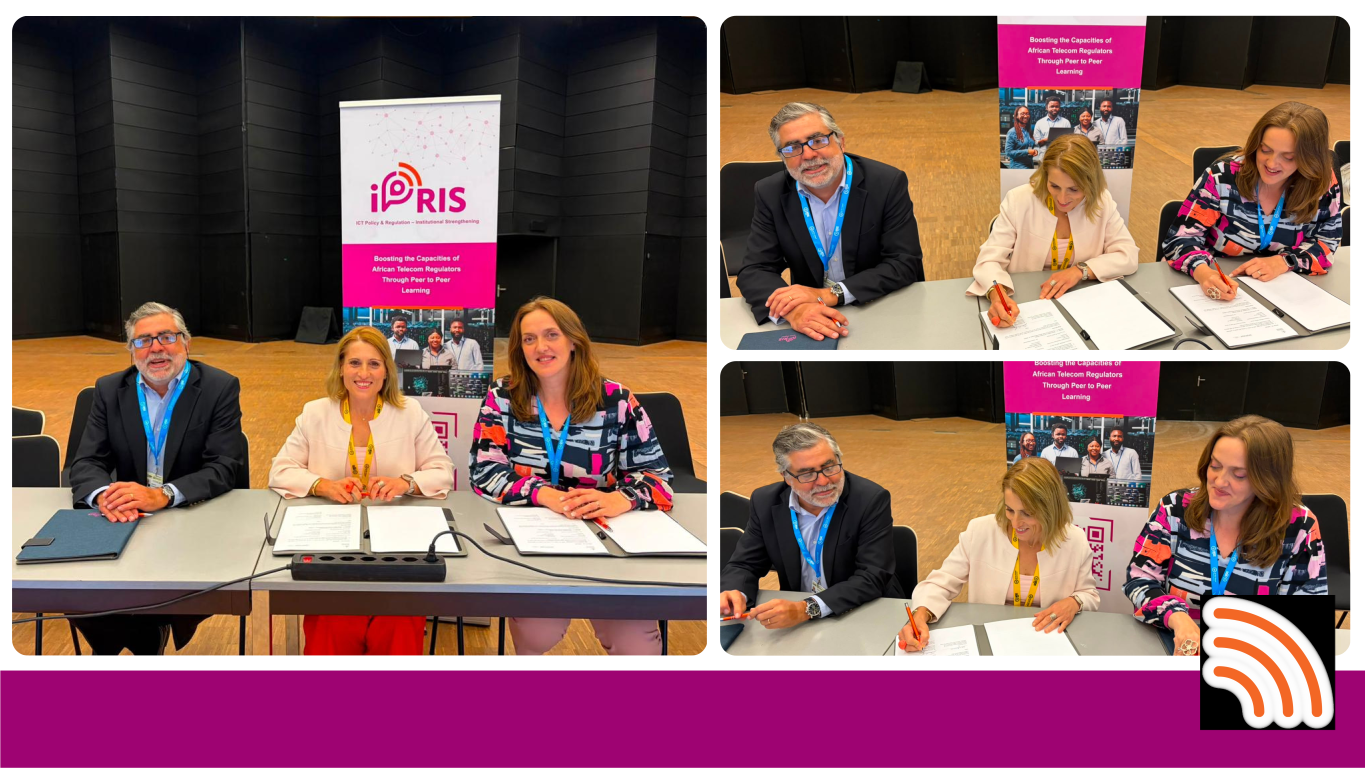
This WSIS Forum 2026 session demonstrated that meaningful connectivity is not just about connecting people to networks; it is about connecting them to opportunity. The discussions made clear that investment in infrastructure must be matched by investment in institutions. Digital transformation succeeds when it is inclusive, collaborative, and guided by trust and equity. Through initiatives like iPRIS, regulators across Africa and Europe are building the foundations of a digital future that is not only connected but truly inclusive.
Watch the video below to gain more insights on why telecom regulation plays a critical role in society:
iPRIS is coordinated and implemented by SPIDER in strategic and technical partnership with the Swedish Post and Telecom Authority (PTS), Institut luxembourgeois de régulation (ILR), Autoridade Nacional de Comunicações (ANACOM), as well as ARTAC, CRASA, EACO, and WATRA.
iPRIS is funded by the European Union, Sweden, and Luxembourg as part of the Team Europe Initiative “D4D for Digital Economy and Society in Sub-Saharan Africa” (Code: 001).
On 26th June 2026, a Digital for Development (D4D) convening, dubbed ‘Info session on the Team Europe Guide for Human-Centric Digital Cooperation under Global Gateway’, brought together policymakers, civil society leaders, and practitioners. The session featured contributions from Brigitte Lugin (European Commission), Uwimama, Yasia De Lausnay (Belgium Ministry of Foreign Affairs), Annriette Esterhuysen (Civil Society), and Cristina de Lorenzo, each offering perspectives on embedding rights, inclusivity, and sustainability into Europe’s digital cooperation agenda.
The guide itself is the product of co-creation between EU institutions, member states, civil society, academia, and the private sector. It provides methods, safeguards, and case studies to help practitioners ensure that digital transformation serves people first. The urgency of this initiative is underscored by global trends. The International Telecommunication Union (ITU) estimates that by 2025, more than 5.4 billion people were online, yet millions remain excluded due to affordability, skills gaps, and gender divides. The guide responds to this challenge by offering practical tools to ensure that digital transformation is not only about connectivity but about inclusion, trust, and sustainability.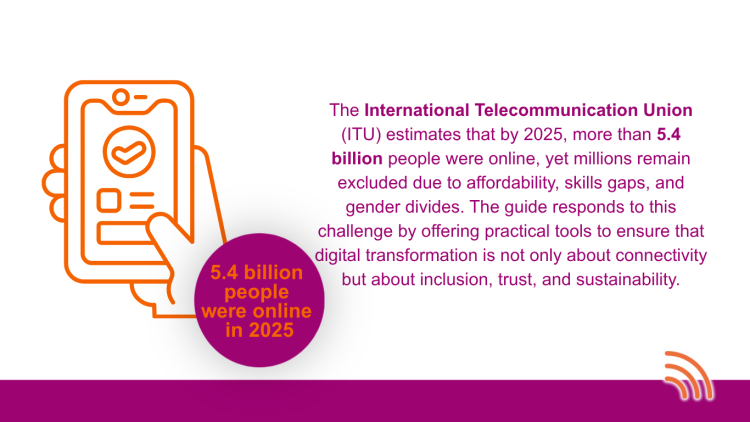
In her opening remarks, Brigitte Lugin emphasised that the guide is designed to keep citizens at the heart of digital transformation:
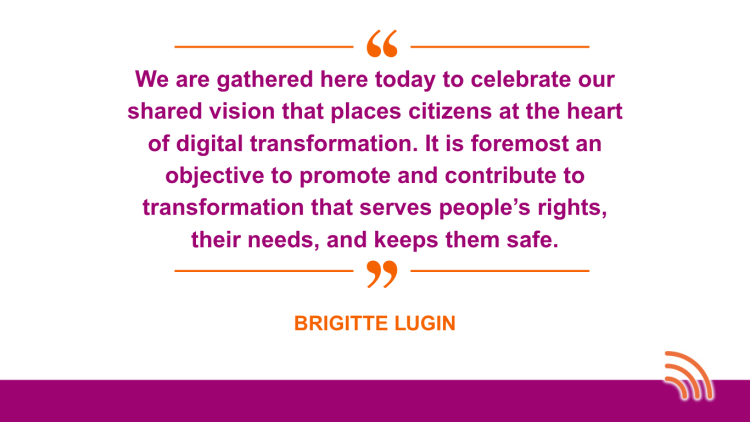
Her comments connected the guide to the EU’s Global Gateway strategy, which goes beyond infrastructure to secure sustainable, rights-based digital ecosystems. This framing made it clear that Europe’s digital cooperation is not just about technology but about safeguarding sovereignty and ensuring that the transformation benefits communities. Uwimama reinforced this operational focus, explaining that the guide is intended to move beyond rhetorical operations.
“This is about making the vision practical, ensuring that human-centric principles land on the ground and are applied across all investments.”
He pointed to the importance of equipping practitioners with concrete tools to embed safeguards into project design and implementation.
The meeting highlighted how the guide translates principles into practice. Sabine, one of its authors, described how provisions such as access to Copernicus Earth observation data can support climate goals but must be paired with safeguards like sustainability checks and gender-sensitive applications. She also highlighted subsea cable projects such as Medusa and Ellalink, where dedicated access capacity is reserved for research institutions, a design choice that embeds human-centricity at the infrastructure level.
Another example came from Central Asia, where satellite connectivity investments were complemented by Team Europe initiatives that provided gender support, skills training, and capacity building. This demonstrated how technology investments can be balanced with social inclusion measures.
Representing Belgium, Yasia De Lausnay cautioned against treating values as optional:
“The moment we treat human rights, transparency, and inclusion as add-ins rather than built-in features, we lose our distinction from other actors.”
Her remarks underscored Europe’s credibility in digital cooperation, which depends on consistently embedding rights and inclusivity, even as investment and private-sector mobilisation accelerate.
Civil society voices reinforced this concern. Annriette Esterhuysen reminded participants:
“A human-rights approach to digital development places individuals at the centre of technological change, embedding principles such as equality, non-discrimination, accessibility, transparency, accountability and privacy throughout the design and governance of digital systems.”
Her intervention highlighted the risks of neglecting these safeguards, which could lead to exclusion, discrimination, or weakened trust in digital governance.
From the civil society perspective, Cristina de Lorenzo emphasised that human-centric cooperation goes beyond usability: 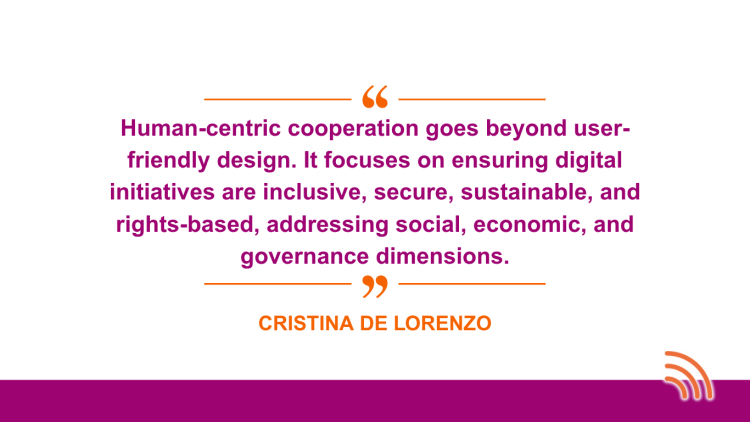
Her remarks tied the discussions back to the need for a common framework that can guide both European and Global South actors in implementing digital transformation responsibly. She also stressed that applying the guide consistently would strengthen multi-stakeholder partnerships and ensure that digital projects deliver real impact on the ground.
The session ultimately underscored a shared commitment: to make digital transformation genuinely human-centric, not just a slogan but a measurable practice. The Team Europe Guide was presented as a living tool that can help governments, development agencies, and civil society translate values into action. Its examples from Earth observation to AI innovation show how rights, sustainability, and inclusion can be embedded at every stage of digital cooperation.
This vision aligns closely with the work of iPRIS, which strengthens regulatory capacity across Africa through peer learning, collaboration, and evidence-based policymaking. Where the Team Europe Guide provides the framework, iPRIS delivers by equipping National Regulatory Authorities to apply human-centric principles in real-world contexts.
iPRIS is coordinated and implemented by SPIDER in strategic and technical partnership with the Swedish Post and Telecom Authority (PTS) and Institut luxembourgeois de régulation (ILR), as well as ARTAC, CRASA, EACO, and WATRA.
iPRIS is funded by the European Union, Sweden, and Luxembourg as part of the Team Europe Initiative “D4D for Digital Economy and Society in Sub-Saharan Africa” (Code: 001).
This year’s World Summit on the Information Society (WSIS) Forum will take place from 6 to 10th July 2026 in Geneva, Switzerland, bringing together global leaders, policymakers, regulators, civil society organisations, private sector representatives, academics, and development partners to explore how digital technologies can advance sustainable development and foster inclusive digital transformation worldwide.
As part of the WSIS Forum 2026 agenda, the Swedish Program for ICT in Developing Regions (SPIDER) will host a session on Wednesday 8th July 2026. The discussions will focus on advancing digital transformation in Sub-Saharan Africa by strengthening regulatory capacity and inclusive frameworks and initiatives. The session will be held under the theme: Enabling Inclusive Digital Development in Sub-Saharan Africa: Regulatory Capacity-Building through Multilingual Peer-to-Peer Learning. The panel discussion will feature five delegates from the implementing partners and stakeholders of the iPRIS project. The discussions will be moderated by Aliyu Yusuf Aboki, Executive Secretary of WATRA, who will also outline the digital transformation agenda from an African regional perspective.
Edna Soomre, project lead of the iPRIS project at SPIDER, will open the discussion with a presentation on human-centred digital transformation, examining how initiatives that consider intersectionality in the digital space can help ensure that digital technologies contribute meaningfully to social and economic development. Katarina Schyberg, iPRIS project manager at the Swedish Post and Telecom Authority (PTS), will discuss the value of the European Union-Africa regulatory exchange and peer learning. Her discussions will highlight how cross-border collaboration strengthens regulatory capacity and supports digital transformation efforts.
Tantely Jeans, an iPRIS Project Manager at the Institut Luxembourgeois de Régulation (ILR), will explore the role of multilingual capacity-building in advancing Francophone regulatory cooperation and facilitating knowledge exchange among telecom regulators. Manuel Cabugueira, a Board Member at the National Communications Authority (ANACOM), will present the upcoming iPRIS Lusophone cohort to expand regulatory collaboration and peer-learning opportunities across Lusophone Africa. Finally, Aliyu Yusuf Aboki, executive secretary of the West Africa Telecommunications Regulators Assembly (WATRA), will share insights into WATRA's efforts to strengthen regional regulatory cooperation and promote harmonised approaches to digital development across West Africa.
Through these discussions, the session will demonstrate how multilingual peer-to-peer learning, regional cooperation, and inclusive regulatory frameworks can help accelerate Africa’s digital transformation agenda while ensuring that no one is left behind in the digital age.
Register online to follow the sessions live: https://www.itu.int/net4/wsis/forum/2026/Agenda/Session/158
iPRIS is coordinated and implemented by SPIDER in strategic and technical partnership with the Swedish Post and Telecom Authority (PTS) and Institut luxembourgeois de régulation (ILR), as well as ARTAC, CRASA, EACO, and WATRA.
iPRIS is funded by the European Union, Sweden, and Luxembourg as part of the Team Europe Initiative “D4D for Digital Economy and Society in Sub-Saharan Africa” (Code: 001).
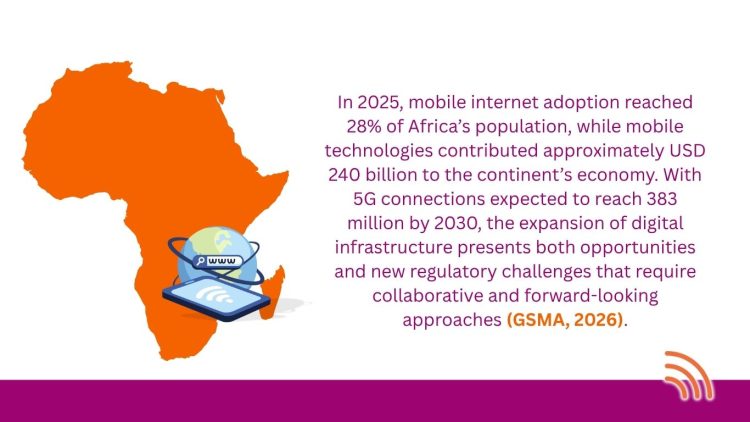
Africa's digital transformation is accelerating, driven by growing investments in connectivity, digital infrastructure, and emerging technologies. Across East, West, South, and Central Africa, ICT and telecommunications experts are working to expand access to meaningful connectivity and ensure that digital opportunities contribute to inclusive economic and social development. In the digital transformation journey, telecom regulators play an increasingly important role in creating an enabling environment that supports innovation, promotes fair competition, protects consumers, and encourages sustainable investment.
Building on this, the fifth iPRIS cohort brought together telecom experts from six countries across the four regions of Sub-Saharan Africa, Regional Regulatory Authorities (RROs), implementing partners, including the Swedish Post and Telecom Authority (PTS) and the Swedish Program for ICT in Developing Regions (SPIDER), and European partners. The cohort included NRAs from the Nigerian Communications Commission (NCC), the Tanzania Communications Regulatory Authority (TCRA), the Zambia Information & Communications Technology Authority (ZICTA), the Uganda Communications Commission (UCC), the Eswatini Communications Commission (ESCCOM), and the National Communications Authority (NatCA). Through the programme, participants developed and implemented Change Initiatives (CIs) designed to address regulatory challenges, strengthen institutional capacity, and contribute to Africa's broader digital transformation agenda.
On 4th May 2025, the fifth iPRIS cohort commenced its year-long journey of knowledge exchange, capacity building, and regional collaboration. The project provided a platform for technical training, peer-to-peer learning, and practical implementation.
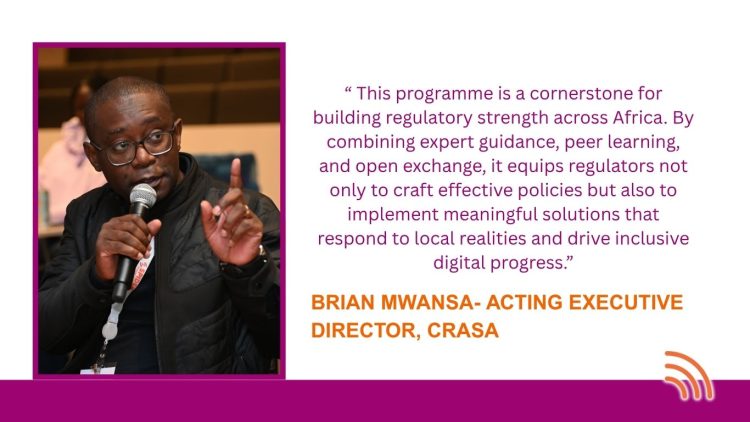
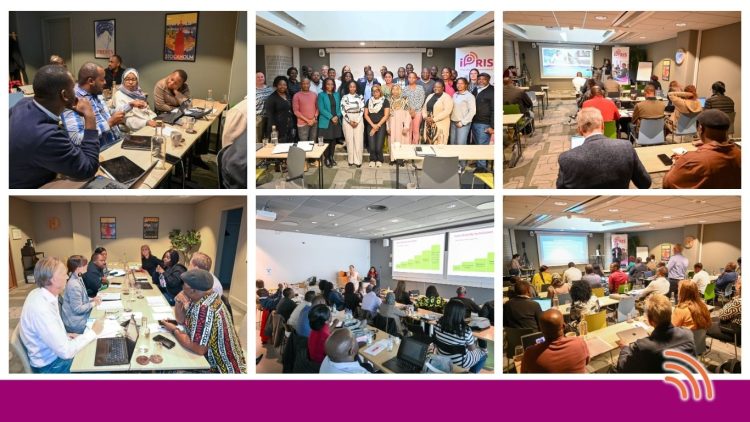
The first phase of the 5th cohort journey officially commenced in Stockholm, Sweden, where regulatory experts gathered for intensive knowledge exchange and capacity building. For two and a half weeks, delegates engaged in discussions, peer-to-peer learning, and technical sessions to strengthen their regulatory capacity.
Over the two and a half weeks, delegates were introduced to various approaches, frameworks, and methodologies to advance and ensure the meaningful implementation of their Change Initiatives. These included Diversity, Equity and Inclusion (DEI) approaches, Monitoring, Evaluation, Accountability and Learning (MEAL), and project management methodologies facilitated by SPIDER digital development experts. Together, these frameworks played a critical role in equipping regulators with the tools needed to design, implement, and assess regulatory interventions effectively and inclusively.
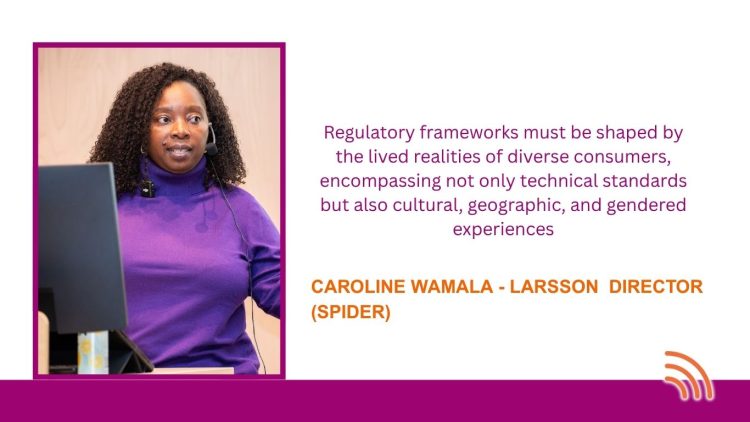
PTS played an important role in strengthening the 5th cohort's iPRIS journey by providing, through technical sessions, exposure to key areas shaping the telecommunications landscape. These included numbering and addressing systems, spectrum management, broadband mapping, network deployment strategies, and secure communications infrastructure. Through these sessions, both African and European telecom experts shared experiences, discussed common regulatory challenges, and explored practical solutions from different regulatory contexts. The sessions reinforced the value of cross-regional collaboration and demonstrated how diverse perspectives can contribute to more effective and forward-looking regulatory approaches.
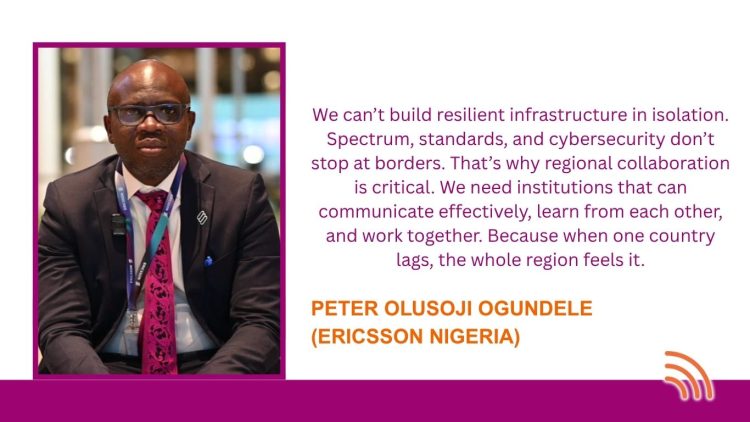
Regional Regulatory Organisations also played a central role throughout the programme. Representatives from the West Africa Telecommunications Regulators Assembly (WATRA), the Communications Regulators' Association of Southern Africa (CRASA), and the East African Communications Organisation (EACO) contributed valuable regional perspectives and insights. These institutions provided a broader regional lens through which delegates could situate their Change Initiatives, aligning them with ongoing harmonisation efforts across Africa. Through dialogue and structured engagement, the NRAs gained insights into shared regulatory priorities, cross-border challenges, and opportunities for coordinated action.
Following the first cycle, participants returned to their respective countries with refined project plans, strengthened technical expertise, and renewed confidence in their ability to drive meaningful change.
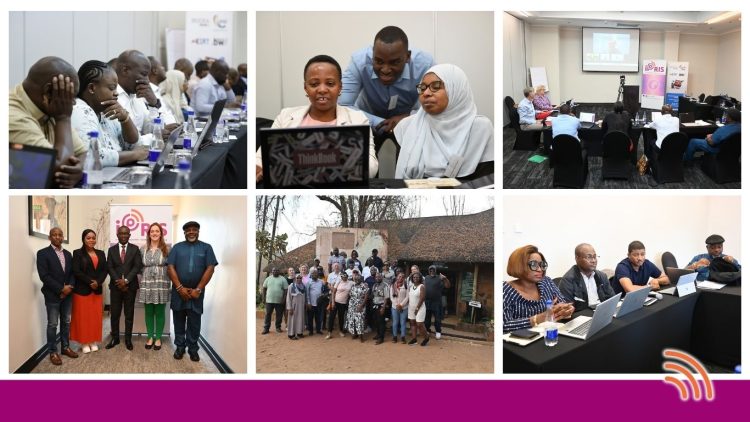
Four months later, the cohort reconvened in Botswana for an African follow-up phase, hosted by the Botswana Communications Regulatory Authority (BOCRA). The session focused on reviewing progress, presenting early results, and exchanging implementation experiences. The discussions created a valuable platform for peer learning. Regulators compared experiences across countries, identified common obstacles, and exchanged practical solutions informed by real-world implementation.
With support from SPIDER, PTS, and representatives from WATRA, CRASA, and EACO, delegates revisited their project plans and refined them to ensure they remained practical, inclusive, and impactful. The Botswana phase reinforced the importance of continuous learning and of ensuring that the projects' impact is inclusive and drives meaningful change across communities.
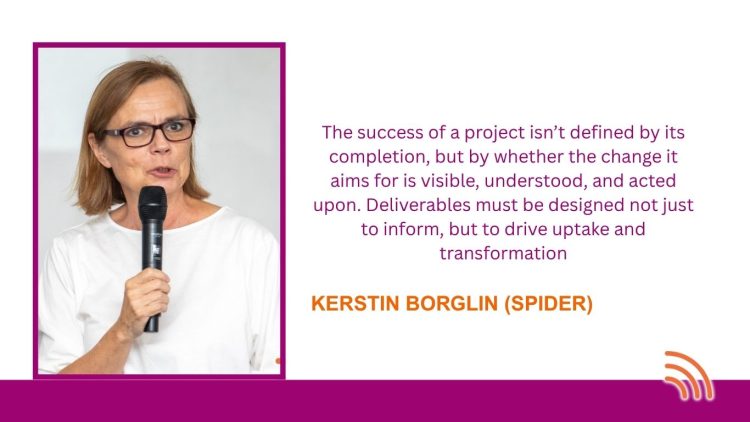
The cohort returned once again to implementation, applying revised strategies and consolidating progress within their institutions.
Read more about the 5th cohort Africa follow-up phase in Botswana, here
On 11th June 2026, the fifth iPRIS cohort convened for the final time in an online wrap-up session, marking the end of their year-long journey. Unlike previous meetings, this session was not focused on redesign or adjustment, but rather on consolidation and recognition of outcomes. The delegates presented the final results of their change Initiatives, showcasing how initial project ideas had evolved into fully implemented interventions with measurable impact.
The presentations covered diverse telecom sectors across participating countries. Some Change Initiatives focused on improving infrastructure deployment processes to accelerate the rollout of connectivity, while others addressed spectrum planning and optimisation to enhance the efficient use of national resources. Others strengthened consumer protection frameworks, improved market transparency, and advanced the use of evidence-based decision-making within regulatory institutions. Collectively, these initiatives demonstrated the practical value of targeted capacity-building in strengthening telecommunications governance.
The final session was concluded by Edna Soomre from SPIDER, who delivered a reflective message to the cohort, acknowledging their commitment and achievements throughout the programme.
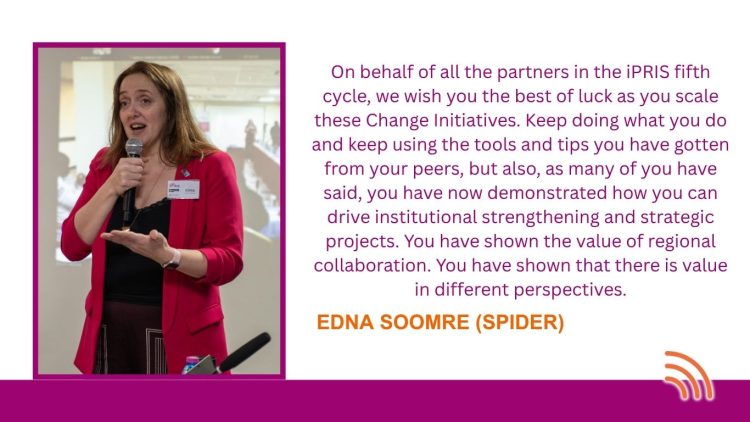
As the fifth iPRIS cohort concludes its cycle, its legacy is reflected in strengthened regulatory institutions, enhanced technical capacity, and deeper regional cooperation among telecom regulators. While the formal programme has ended, the networks formed, the knowledge gained, and the Change Initiatives implemented continue to shape regulatory practice across participating countries. The fifth iPRIS cohort emphasised the importance of structured collaboration and capacity-building in navigating the complexities of an evolving digital landscape and contributing meaningfully to Africa’s digital transformation.
iPRIS is coordinated and implemented by SPIDER in strategic and technical partnership with the Swedish Post and Telecom Authority (PTS) and Institut luxembourgeois de régulation (ILR), as well as ARTAC, CRASA, EACO, and WATRA.
iPRIS is funded by the European Union, Sweden, and Luxembourg as part of the Team Europe Initiative “D4D for Digital Economy and Society in Sub-Saharan Africa” (Code: 001).
From 12th to 15th of May, the government of Türkiye held the Global Symposium for Regulators (GSR-26) at the Information and Communication Technologies Authority (BTK) Headquarters in Ankara, Türkiye. The International Telecommunication Union (ITU) hosts an annual global knowledge exchange, bringing together around 1035 participants and 15 Regional Regulatory Associations. This year’s sessions focused on the theme “Navigating the Digital Frontier.” The summit was chaired by Mr. Ömer Abdullah Karagözoğlu, President of the Information and Communication Technologies Authority (BTK).
Ms Doreen Boggan-Martin, Secretary-General of the International Telecommunication Union, said, “When GSR met for the first time in 2000, fewer than half of the ITU member states had a regulatory body. Today, 166 of our 194 member states have a regulator; that's what a quarter of a century of cooperation looks like.” It shows our commitment and forward-looking approach. This implies the impeccable growth of GSR member states, made possible through collective commitment and collaboration among them.
This symposium brings together the entire digital ecosystem to build a resilient and inclusive future, signalling a fundamental shift in our role from merely reacting to technological disruption to proactively designing pathways to resilience and inclusion. Today, we navigate an unprecedented moment of technological advancement, driven heavily by artificial intelligence, cloud infrastructure, and the Internet of Things. The pace of adoption is staggering.
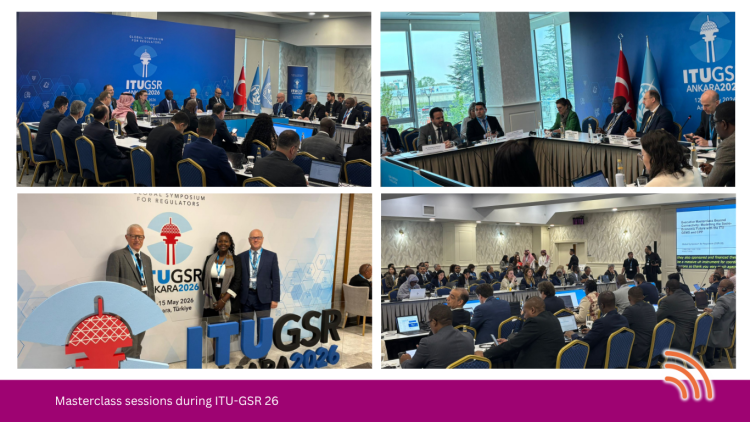
We are navigating an unprecedented pace of technological advancement, driven heavily by artificial intelligence, cloud infrastructure, and the Internet of Things. Director of the Telecommunication Development Bureau (BDT) at the International Telecommunication Union, Dr Cosmas Luckyson ZAVAZAVA, reflected that, “Leading generative AI applications reached 100 million users in just two months, marking the fastest technology adoption in history and bringing immense economic potential. Furthermore, broad industry estimates suggest AI could contribute $4.8 trillion to the global economy. Importantly, the backbone of AI is cloud infrastructure, and this is expanding by over 30% every year.” He further stated, “However, nearly one third of the global population is still offline, 2.2 billion people, which means we must act now to ensure the digital divide doesn't transform itself into an even greater AI divide.”
There is a need for real-time trusted information sharing on emerging risks from deepfake-driven fraud to algorithmic bias. We cannot navigate without data, nor can we bridge the digital divide without sustainable investment.
The GSR-26 chair, Mr. Ömer Abdullah Karagözoğlu, President of the Information and Communication Technologies Authority, Turkey, shared that the GSR-26 Best Practice Guidelines have been adopted, a report of shared insights from regulators, policymakers, the private sector, and other relevant stakeholders committed to making digital markets work in the public interest. This guideline outlines the essentials of regulatory governance for a fast-changing digital environment. These guidelines from GSR-26 provide a shared reference point for building regulatory institutions that can respond to technological change while keeping people, public interest and sustainable development at the centre.
Dr Cosmas Luckyson ZAVAZAVA also stated that, with this perspective in mind, navigation requires three things.
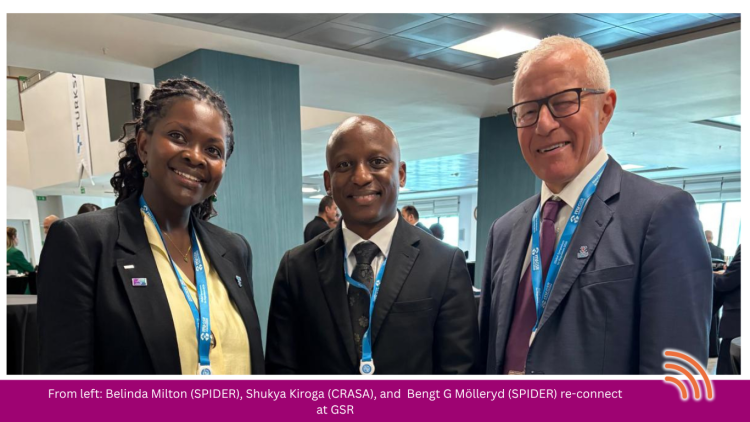
These guidelines reflect a collective experience, shared priorities, and common determination to develop more agile, inclusive, and forward-looking regulatory approaches for the digital age. The GSR-26 best practice guidelines will provide meaningful guidance to regulators and policymakers worldwide as we continue to navigate increasingly complex digital ecosystems together and adopt a collaborative, future-oriented approach.
Connectivity, innovation and digital opportunities should benefit all segments of society and contribute to economic and social development. Ömer Fatih Sayan, Deputy Minister of Transport and Infrastructure, while further expounding on the need for digital transformation as a priority, said, “We continue our preparation for next generation technologies such as 5G, 6G, AI satellite technologies and advanced digital infrastructure.”
Mr. Ömer Abdullah Karagözoğlu, Chairman of the Board and President of the Information and Communication Technologies Authority (BTK) of the Republic of Türkiye, said, “Digital Transformation is no longer a matter concerning a single institution alone, It is a shared global agenda that requires continued dialogue and cooperation among governments, regulators the private sector, international organizations, academia and civil society.” he added, “Now that technology evolves over months, there is an urgent need to close the speed gap. Here is our shared task as GSR-26. We are here not to stop the frontier; we are here to navigate it well."
The role of regulators extends far beyond traditional oversight. Regulators are now expected to create environments that support innovation and promote trust and stability. They must also encourage sustainable investment, strengthen resilience, and safeguard citizens' interests. This is essential in an increasingly complex digital landscape, one that demands technical capability, adaptability, collaboration, and a future-oriented mindset.
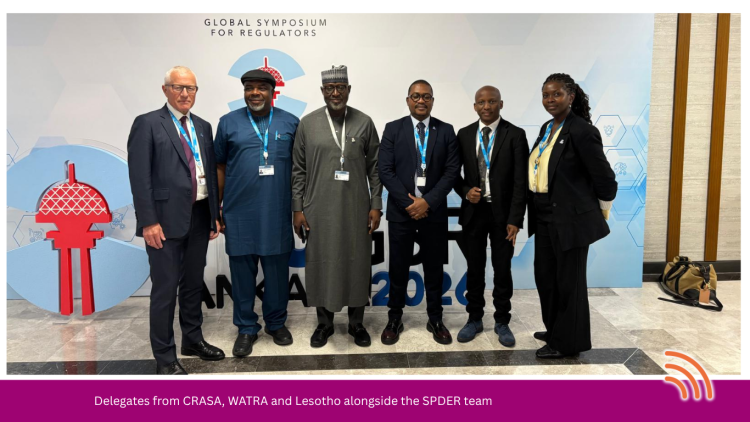
All discussions held during GSR 26, along with the best-practice guidelines from these processes, will contribute meaningfully to future international cooperation. They will also inform more forward-looking approaches to digital regulation worldwide. The dialogue, partnerships, and ideas developed here in Ankara will continue well beyond this symposium. They will help build a more inclusive, resilient, secure, and human-centred digital future for all.
Closing connectivity and usage gaps for meaningful digital participation
Collectively, discussions at GSR-26 reinforced that achieving meaningful digital transformation goes far beyond expanding connectivity. Delegates highlighted the urgent need to close persistent usage gaps through affordable access, digital literacy, relevant services, and inclusive infrastructure that enables full participation in the digital economy. The conversations also recognised that connectivity challenges differ across regions and communities, particularly in rural areas, making localised and context-specific approaches essential for sustainable progress.
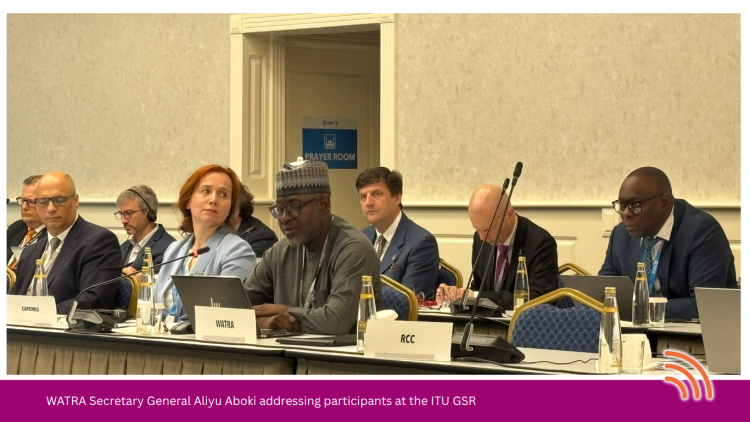
The summit further reaffirmed the growing importance of resilience, digital sovereignty, and secure infrastructure in shaping future digital ecosystems. As technologies continue to evolve rapidly, participants stressed the value of evidence-based policymaking, inclusive and gender-responsive strategies, and stronger international cooperation in advancing Universal and Meaningful Connectivity (UMC). Ultimately, GSR-26 underscored that navigating the digital frontier will require collective action, shared responsibility, and continued collaboration among governments, regulators, industry, and global stakeholders to build a more inclusive, secure, and resilient digital future for all.
iPRIS is coordinated and implemented by SPIDER in strategic and technical partnership with the Swedish Post and Telecom Authority (PTS) and Institut luxembourgeois de régulation (ILR), as well as ARTAC, CRASA, EACO, and WATRA.
iPRIS is funded by the European Union, Sweden, and Luxembourg as part of the Team Europe Initiative “D4D for Digital Economy and Society in Sub-Saharan Africa” (Code: 001).
Regional regulatory cooperation remains a cornerstone of Africa’s digital transformation agenda. The 15th Annual General Meeting (AGM) of the Communications Regulators’ Association of Southern Africa (CRASA), held in Lilongwe, Malawi, from 16 to 17 April 2026, brought together national regulatory authorities (NRAs), regional bodies, and partners to reflect on progress, address governance challenges, and explore the future of digital regulation across Southern Africa.
The AGM was preceded by a forward-looking summit focused on “G5 regulation”, a framework aimed at advancing next-generation, digitally responsive regulatory systems. Discussions emphasised the need for regulators to transition towards more adaptive, future-oriented models capable of supporting evolving digital ecosystems.
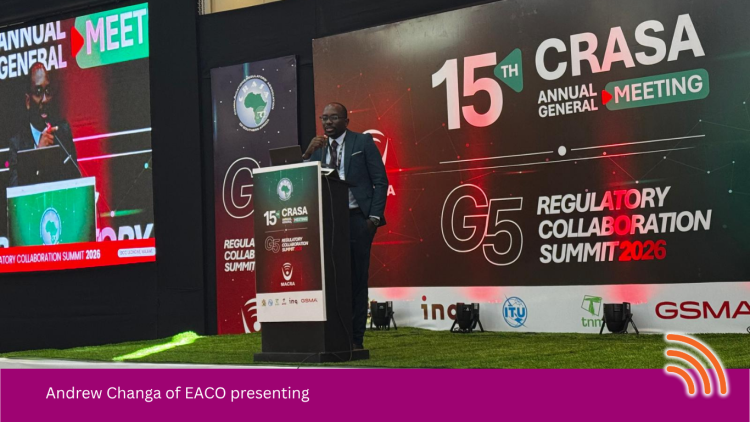
However, a key insight emerging from the discussions was the gap between current regulatory maturity and future ambitions. While the G5 framework points towards advanced digital regulation, many participating countries are still operating at earlier stages of regulatory development. This highlights a critical need for bridging strategies to ensure that regulatory evolution is both realistic and inclusive.
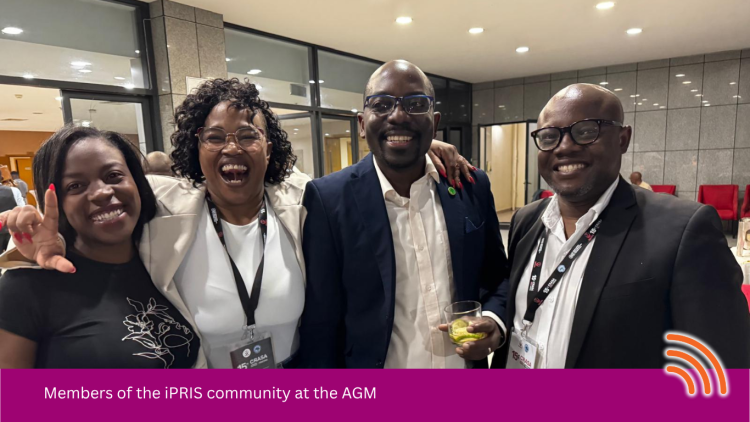
The AGM also provided a platform to strengthen collaboration between CRASA and other regional initiatives, including iPRIS. Engagements during the meeting highlighted growing interest in better coordination of capacity-building efforts and regulatory development programmes across regions.
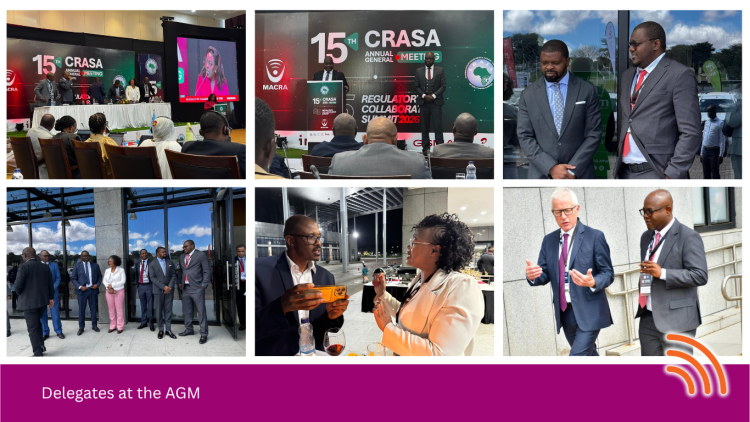
Notably, participation from iPRIS stakeholders and alumni demonstrated the programme’s increasing relevance within regional regulatory spaces. Alumni are beginning to take on more prominent roles within their institutions, contributing to discussions and shaping regulatory priorities at both national and regional levels.
Across multiple sessions, a recurring theme emerged: the need to translate dialogue into actionable outcomes. While the AGM facilitated rich discussions on policy, strategy, and cooperation, participants emphasised the importance of moving beyond conversations towards implementation.
This includes:
The CRASA 15th AGM reaffirmed the importance of regional platforms in shaping Africa’s digital future. It highlighted both progress and persistent challenges, from advancing regulatory frameworks to strengthening institutional governance.
For iPRIS and its partners, the AGM reinforces a clear direction:
iPRIS is coordinated and implemented by SPIDER in strategic and technical partnership with the Swedish Post and Telecom Authority (PTS) and Institut luxembourgeois de régulation (ILR), as well as ARTAC, CRASA, EACO, and WATRA.
iPRIS is funded by the European Union, Sweden, and Luxembourg as part of the Team Europe Initiative “D4D for Digital Economy and Society in Sub-Saharan Africa” (Code: 001).
Borgarfjordsgatan 12, Kista,SWEDEN
Postal Address: Stockholm University, Department of Computer and Systems Sciences/DSV, SPIDER, P.O Box 1073, SE-164 25 Kista, Sweden


Copyright © 2025 iPRIS. All rights reserved.