


From 9 to 12 March 2026, the National Communications Authority (NCA) of Ghana will host the second round of peer-to-peer learning of the seventh cohort of the ICT Policy and Regulation – Institutional Strengthening (iPRIS) project in Accra.
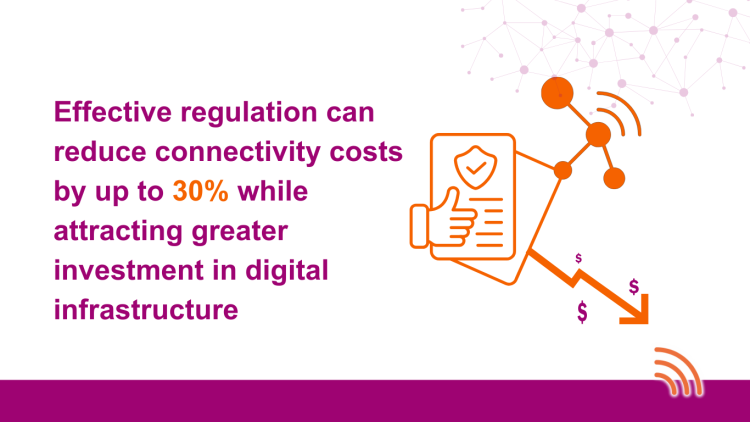
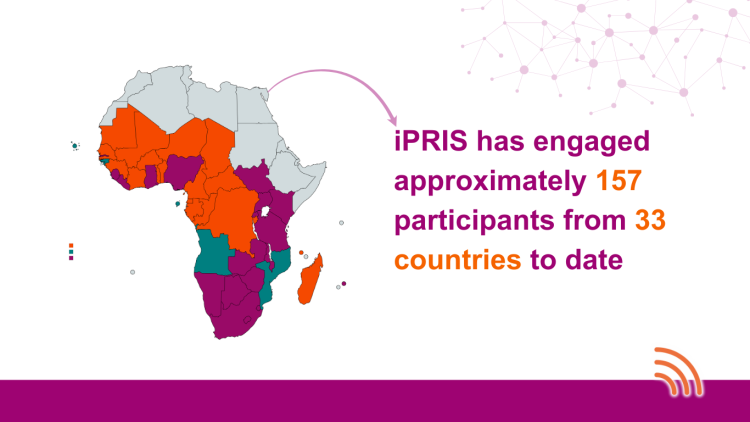
iPRIS has engaged approximately 157 participants from 33 countries to date, highlighting the vast network of telecom regulators who share knowledge to advance their telecom industries. Sub-Saharan Africa (SSA) faces major challenges in digital development, including underdeveloped digital infrastructure, limited access to affordable connectivity, a digital gender gap, insufficient skills for digitally enabled industries and a weak regulatory and policy environment. According to the International Telecommunication Union (ITU), effective regulation can reduce connectivity costs by up to 30% while attracting greater investment in digital infrastructure, underscoring the critical role of institutions such as iPRIS in expanding affordable access and bridging the digital divide.
This meeting will bring together African National Regulatory Authorities (NRAs) from the National Communications Authority of Ghana (NCA Ghana), Lesotho Communications Authority (LCA Lesotho), Botswana Communications Regulatory Authority (BOCRA Botswana), Public Utilities Regulatory Authority of The Gambia (PURA Gambia), Communications Authority of Kenya (CA Kenya), and Malawi Communications Regulatory Authority (MACRA Malawi)
They will also be joined by Regional Regulatory Organisations (RROs), including the West Africa Telecommunications Regulators Assembly (WATRA), the Communications Regulators’ Association of Southern Africa (CRASA), and the East African Communications Organisation (EACO). Implementing partners, including the Swedish Post and Telecom Authority (PTS) and the Swedish Program for ICT in Developing Regions (SPIDER), will also participate.
The convening will mark the second stage of the cohort’s journey in the iPRIS cycle, following its initial phase in Stockholm in 2025. It will build on the cohort’s initial learning round, shifting from European learning exposure to Africa-based implementation. By prioritising practical reforms, the meeting will reinforce ICT regulation as a driver of digital transformation, strengthen regional cooperation among regulators, and deepen institutional capacity to ensure reliable and inclusive digital economies across Sub-Saharan Africa.
Read more about the 7th Cohort’s activities in Stockholm 2025 here.
Strategic objectives of this second meeting in Accra:
- Advance Change Initiatives led by participating NRAs, moving from design to implementation and adaptability to African realities.
- Strengthen regulatory responses to digital inclusion to ensure affordable access and to reduce gender and rural connectivity gaps through Diversity, Equity and Inclusion knowledge exchange sessions.
- Promote market efficiency by addressing competition, affordability, and consumer protection in ICT services through cybersecurity sessions.
- Equip regulators with the tools to address emerging technologies, including 5G, AI, and digital platforms.
- Tackle cross-border regulatory challenges through harmonising approaches to roaming, spectrum management, and regional digital markets.
- Deepen regional collaboration, fostering shared solutions and peer-to-peer support across national and regional institutions.
An interesting session to look out for is the ‘Smart Borders, Fair Billings: Policy Lessons from Ghana’s Border Towns’ discussion that will be presented by NCA Ghana. This session will deliver practical lessons from NCA Ghana's experience driving roaming initiatives in its border towns. On the last day of discussions on Thursday, 12th March, the ‘Way Forward’ sessions will feature presentations from all the NRAs on their planning and execution strategies concerning their tailored Change Initiatives. It is a session open to all iPRIS alumni and current participants, where technical expertise and knowledge are shared.
The 7th cohort follow-up phase in Ghana will serve as a pivotal step in the seventh cohort’s journey, reinforcing iPRIS’s commitment to regulator-led reforms that respond to Africa’s digital realities. By combining peer learning with practical implementation, the programme will ensure that participating regulators return home equipped with actionable strategies to expand affordable connectivity, strengthen consumer protection, and prepare for emerging technologies. Sustained collaboration beyond this meeting will be essential to build resilient institutions, harmonised regional markets, and inclusive digital economies that empower societies across Sub-Saharan Africa. As regulators advance their Change Initiatives and strengthen regional cooperation, iPRIS will remain committed to its support, helping authorities adapt to emerging technologies and address cross‑border challenges with coordinated and forward‑looking solutions
iPRIS is coordinated and implemented by SPIDER in strategic and technical partnership with the Swedish Post and Telecom Authority (PTS) and Institut luxembourgeois de régulation (ILR), as well as ARTAC, CRASA, EACO, and WATRA.
iPRIS is funded by the European Union, Sweden, and Luxembourg as part of the Team Europe Initiative “D4D for Digital Economy and Society in Sub-Saharan Africa” (Code: 001).