


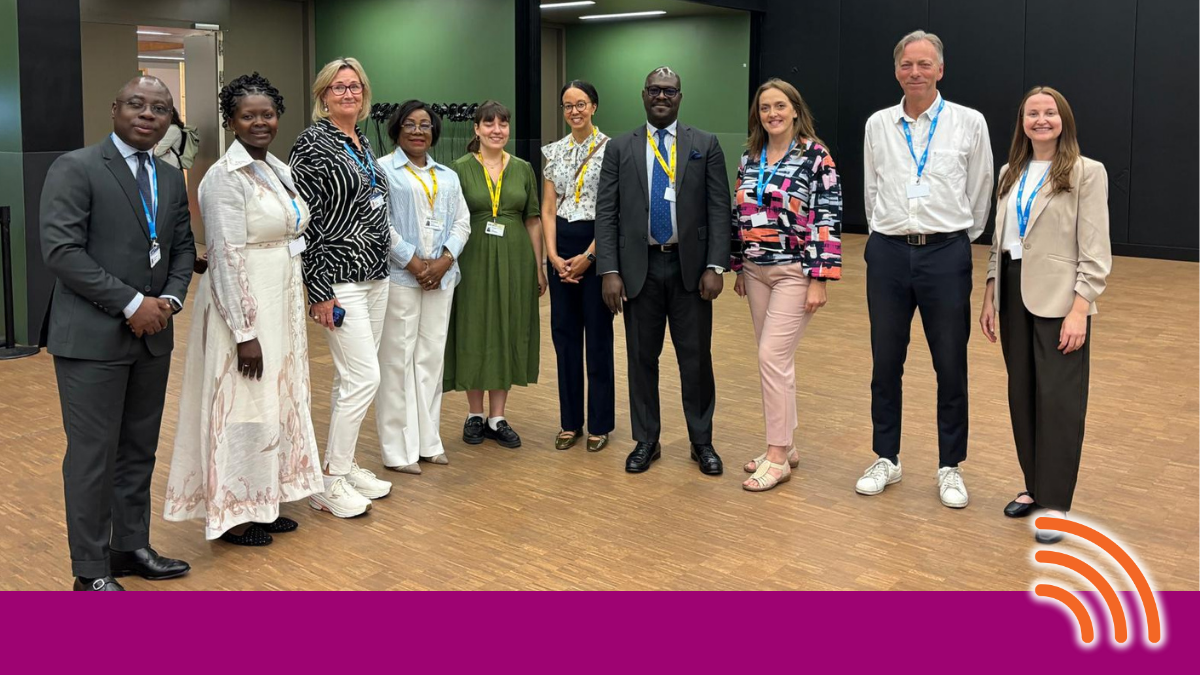
The World Summit on the Information Society (WSIS) Forum is recognised as the foremost global event dedicated to shaping the future of digital development. It is convened annually by the International Telecommunication Union (ITU) in partnership with UNESCO, UNDP, and other United Nations agencies. The 2026 edition took place in Geneva, Switzerland, from 6 to 10 July 2026. The Forum brought together policymakers, regulators, academics, civil society representatives, and private-sector leaders to deliberate on strategies and partnerships to advance inclusive digital transformation. Its goal is to promote collaboration and knowledge exchange so that digital technologies become powerful instruments for sustainable development across all regions of the world. According to the ITU (2023), nearly 2.6 billion people worldwide remain offline, underscoring the urgency of initiatives to expand meaningful connectivity and bridge the digital divide.
Within this global conversation, SPIDER (Swedish Program for ICT in Developing Regions) hosted a WSIS session on 8 July 2026 titled “Enabling Inclusive Digital Development: Regulatory Capacity-Building through Multilingual Peer-to-Peer Learning between the EU and Sub-Saharan Africa.”The session focused on how telecom regulation plays a critical role in promoting sectors such as education, the economy, and healthcare, using iPRIS as a case study. What emerged was a deep exploration of how regulation, cooperation, and accessibility form the backbone of meaningful digital transformation. The panel was moderated by Aliyu Aboki, who guided the conversation with precision and insight. The speakers included Edna Soomre from SPIDER, Katarina Schyberg from the Swedish Post and Telecom Authority (PTS), Tantely Jeans from Luxembourg’s ILR, and Manuel Cabugueira from Portugal’s ANACOM. Each brought a distinct perspective shaped by their regulatory experience and regional context.
The discussion began with the recognition that regulation is not merely a technical framework but a social instrument that determines whether technology truly serves people.
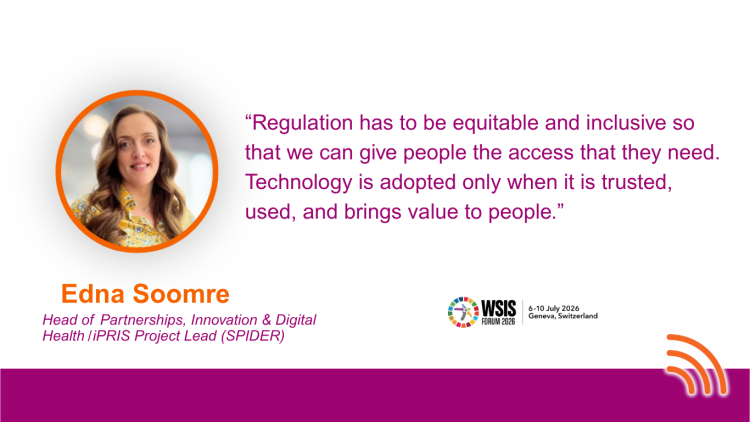
She explained that SPIDER’s work through projects like iPRIS focuses on institutional strengthening, building trust, continuity, and resilience among regulators. She gave concrete examples of how iPRIS has helped regulators from sub-Saharan Africa collaborate across linguistic and regional boundaries. For instance, she described how regulators from Tanzania and Uganda worked together to harmonise guidelines for rural connectivity, ensuring underserved communities could access affordable, reliable networks. She also noted that iPRIS’ multilingual cycles in English, French, and Portuguese have allowed neighbouring countries that previously struggled to communicate effectively to now share regulatory frameworks and coordinate cross-border digital initiatives.
Katarina Schyberg expanded on the peer-to-peer learning model that defines iPRIS. She described how European and African regulators exchange experiences on shared challenges such as market competition, cybersecurity, and satellite communications.
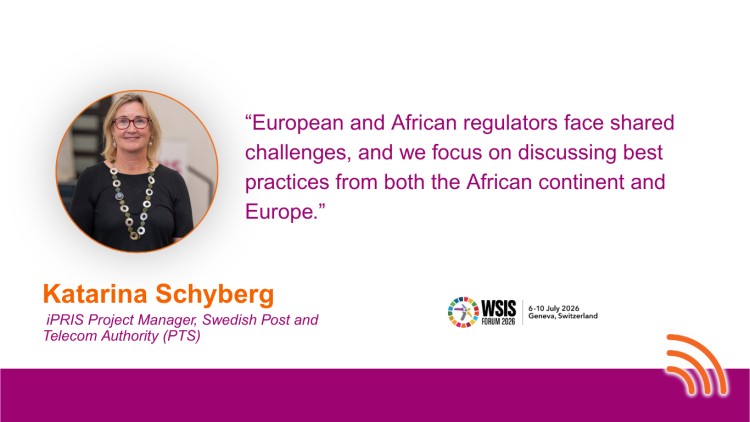
Schyberg explained that during the six English-speaking cohorts conducted so far, regulators from nineteen English-speaking African countries have participated in intensive three-week knowledge-exchange sessions. Each delegate brings a national project (referred to as a Change Initiative) and refines it through collaboration with peers and experts from Africa and Europe. She cited examples of regulators from Kenya and Ghana who developed frameworks for consumer protection in digital services after learning from Sweden’s experience with transparent pricing and fair competition.
Aliyu Aboki underscored the importance of accessibility and language in ensuring effective collaboration.
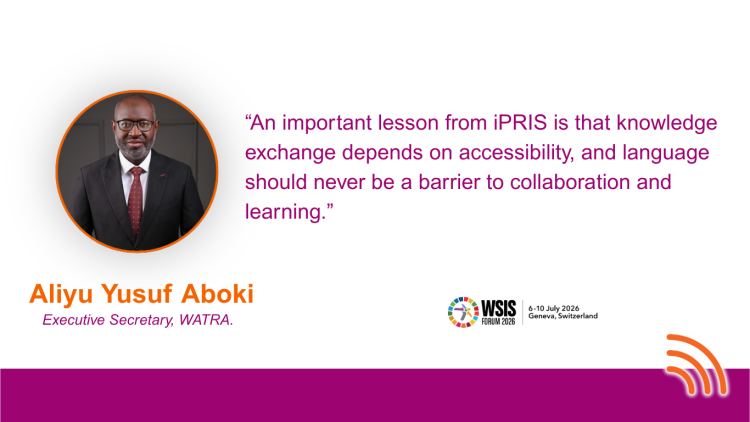
His point resonated deeply with the multilingual nature of iPRIS, which bridges linguistic divides and fosters cooperation among English-, French-, and Portuguese-speaking regulators. Aboki highlighted that linguistic inclusion is not a symbolic gesture but a practical necessity, and without it, entire populations risk being excluded from digital progress.
Tantely Jeans of Luxembourg’s ILR brought a human dimension to the conversation, reminding the attendees that technology alone cannot guarantee progress.
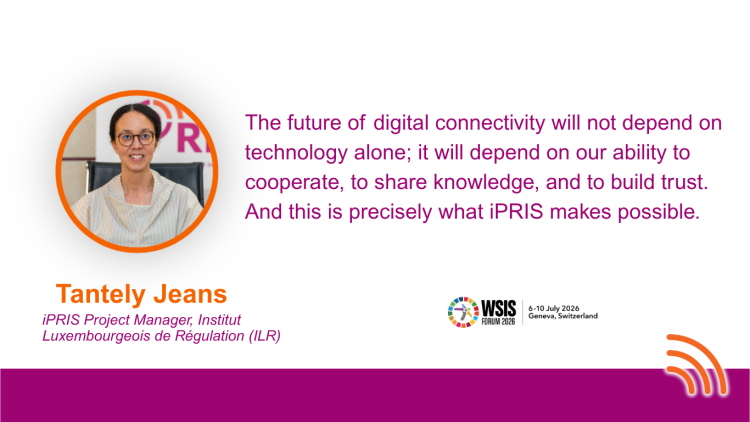
She explained how ILR leverages European regulatory networks such as FRATEL and BEREC to connect African and European regulators. Jeans shared a compelling example of how Tanzanian and Gabonese regulators collaborated through iPRIS to coordinate the rollout of fibre infrastructure, ensuring orderly and efficient deployment. She also noted that, through the Francophone cycles, regulators from countries such as Senegal and Benin have worked with European counterparts to develop data governance frameworks that balance innovation with privacy protection.
Adding an economic perspective, Manuel Cabugueira of ANACOM reflected on how regulatory cooperation extends beyond learning and technology sharing.
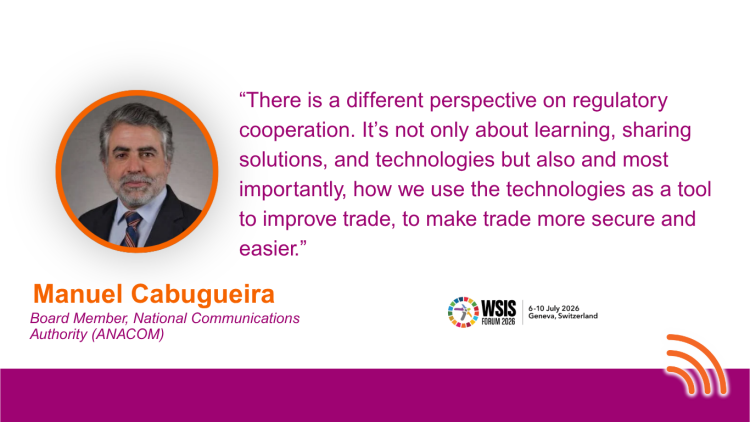
He explained that ANACOM’s collaboration with Portuguese-speaking regulators through the ARCTEL network has shown how harmonised regulation can strengthen trade and economic ties across Africa. Cabugueira pointed to examples from Angola and Mozambique, where regulators have worked together to align telecommunications standards, enabling smoother cross-border data flows and more secure digital transactions. He also emphasised that cooperation among Lusophone countries, from Guinea-Bissau and Cape Verde to São Tomé and Príncipe, lays the foundation for building digital infrastructure that supports data centres, edge computing, and secure digital commerce.
Throughout the session, the panellists returned to a central theme: that Africa’s digital transformation must be built not only on infrastructure but on strong institutions capable of adapting to emerging challenges such as artificial intelligence, cybersecurity, satellite services, and digital identity.
The session’s richness was amplified by contributions from delegates who had participated in earlier iPRIS cohorts. Winnie Mukholi, representing the Uganda Communications Commission, spoke about her experience in the fifth iPRIS cycle. She explained that one of the most valuable aspects was the chance to interact not only with European regulators but also with peers from across Africa. By engaging with colleagues from Tanzania, West Africa, and Southern Africa, she discovered that many regulatory challenges are shared across the continent. Winnie emphasised that this regional exchange allowed her to benchmark solutions directly with neighbouring countries, making regulatory initiatives more practical and responsive. She noted that iPRIS provided guidance to ensure that change initiatives begun during the project were carried through to completion, rather than left unfinished, which is a critical factor in building institutional credibility.
Adding to this, Mbongeni Bafana Mtshali from the Kingdom of Eswatini highlighted the importance of peer education in finding African solutions to African challenges. He explained that while European expertise, such as that shared by PTS, is invaluable, the opportunity to learn from fellow African regulators is equally vital. He described how visits to institutions like Ericsson opened his eyes to the scale of investment and research shaping global telecommunications, and how participation in international forums such as WSIS helps African regulators influence the global digital landscape. Mbongeni urged more member states to join iPRIS, stressing that the project not only strengthens regulatory capacity but also builds a community that can collectively shape Africa’s digital future.
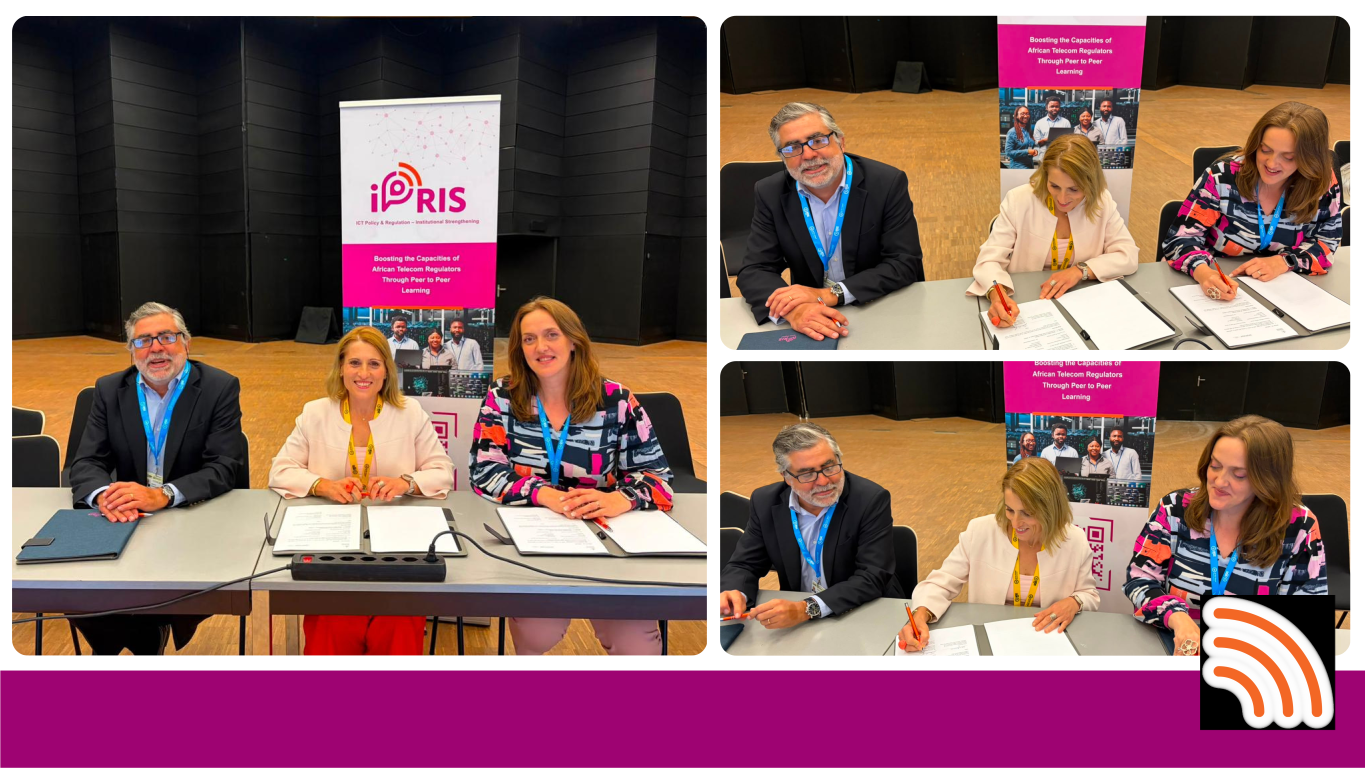
To conclude the session, a significant milestone was marked with the signing of a Memorandum of Understanding (MoU) between SPIDER and ANACOM. The agreement formalised a strategic partnership to deepen collaboration with Lusophone countries across Africa, including Angola, Mozambique, Cape Verde, Guinea-Bissau, and São Tomé and Príncipe. The MoU represents a commitment to advance regulatory capacity-building and digital cooperation within Portuguese-speaking nations, aligning with iPRIS’s multilingual approach to inclusive digital development.
This WSIS Forum 2026 session demonstrated that meaningful connectivity is not just about connecting people to networks; it is about connecting them to opportunity. The discussions made clear that investment in infrastructure must be matched by investment in institutions. Digital transformation succeeds when it is inclusive, collaborative, and guided by trust and equity. Through initiatives like iPRIS, regulators across Africa and Europe are building the foundations of a digital future that is not only connected but truly inclusive.
Watch the video below to gain more insights on why telecom regulation plays a critical role in society:
iPRIS is coordinated and implemented by SPIDER in strategic and technical partnership with the Swedish Post and Telecom Authority (PTS), Institut luxembourgeois de régulation (ILR), Autoridade Nacional de Comunicações (ANACOM), as well as ARTAC, CRASA, EACO, and WATRA.
iPRIS is funded by the European Union, Sweden, and Luxembourg as part of the Team Europe Initiative “D4D for Digital Economy and Society in Sub-Saharan Africa” (Code: 001).