


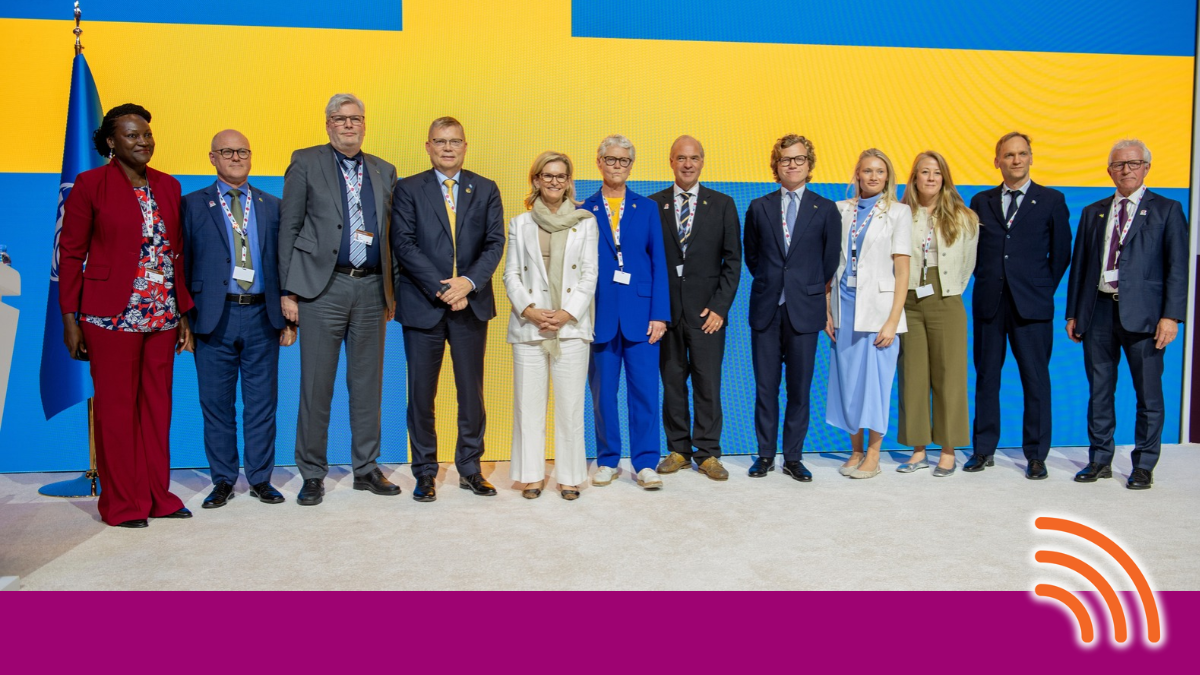
Doreen Bogdan-Martin has been re-elected as Secretary-General of the International Telecommunication Union (ITU), securing a second four-year term at the United Nations agency responsible for advancing global telecommunications and digital development.
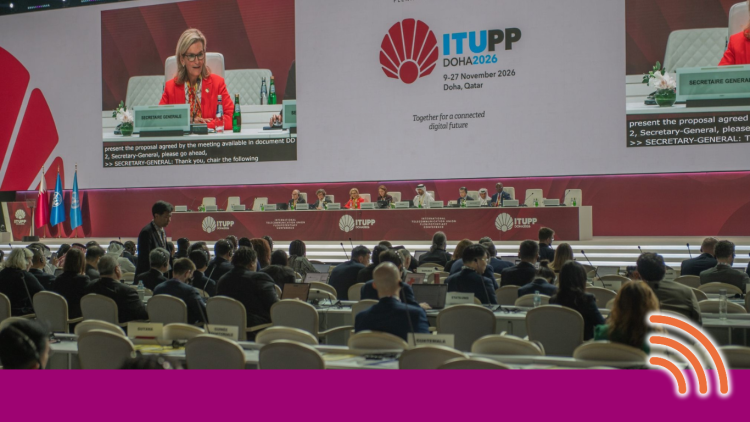
Bogdan-Martin received 164 of the 173 votes cast by ITU Member States during the Plenipotentiary Conference 2026 (PP-26) in Doha, Qatar. She will continue leading the organisation's efforts to expand global connectivity, support digital development and ensure that more people can benefit from technology.
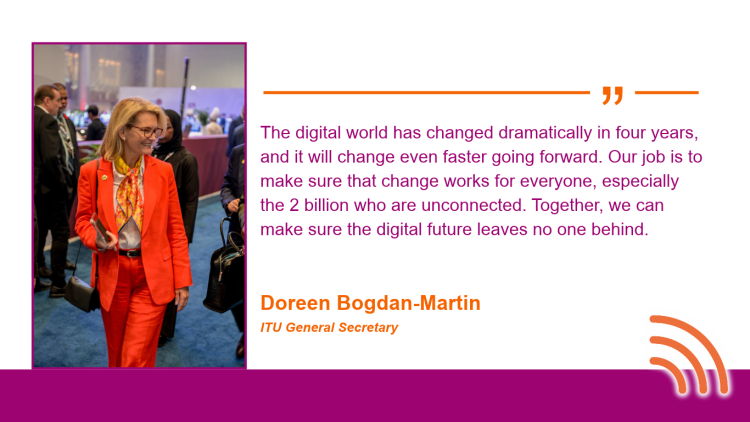
Her re-election comes at a time when an estimated two billion people worldwide remain without internet access, highlighting the scale of the work still needed to make digital opportunities accessible to everyone.
Turning connectivity into opportunity
During her first term, Bogdan-Martin placed universal connectivity and sustainable digital development at the centre of ITU's work. One of the key achievements was the Partner2Connect Digital Coalition, which surpassed USD 120 billion in commitments towards expanding global connectivity.
These commitments bring together resources and partnerships to address connectivity gaps, particularly in underserved communities. Improved access can create opportunities for people to pursue education, grow businesses, access essential services and participate in the digital economy.
ITU also expanded its network to more than 1,000 companies, universities, research institutions and civil society organisations, working alongside its 194 Member States. This growing network will be important in mobilising the partnerships needed to extend digital access and address shared challenges.
Preparing people for a changing digital world
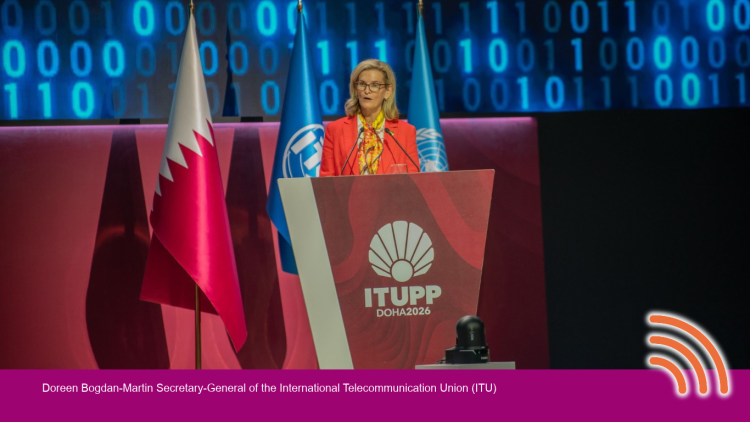
As artificial intelligence (AI) and other emerging technologies reshape everyday life, Bogdan-Martin's second term will focus on ensuring that people and countries are prepared to benefit from these developments.
Her priorities include expanding digital skills, strengthening cybersecurity and building more resilient digital systems. These efforts recognise that connecting people is only part of the task; they must also have the skills to use technology and the confidence to participate safely online.
For individuals, digital skills can open opportunities in education, employment and entrepreneurship. For businesses, they can support growth and access to wider markets. Stronger cybersecurity will also be essential in protecting people and organisations as more services move online.
Strengthening ITU for the future
Bogdan-Martin brings more than three decades of experience in international telecommunications policy. Before becoming Secretary-General in 2023, she served as Director of ITU's Telecommunication Development Bureau from 2018 to 2022, becoming the first woman to hold both elected positions.
During her first term, ITU launched a transformation programme to modernise its internal systems and improve organisational effectiveness. She has committed to continuing these efforts, making the organisation more efficient, transparent and responsive to its members.
The Plenipotentiary Conference, ITU's highest decision-making forum, will also determine the organisation's strategic and financial plans for the next four years and elect its other senior leaders. The conference runs until 27 November 2026 at the Doha Exhibition and Convention Center.
As Bogdan-Martin begins her second term, the challenge ahead is to ensure that digital progress translates into real opportunities for people. Whether through a student accessing learning resources, a small business reaching new markets or a community accessing essential online services, the impact of connectivity will ultimately be measured by how it improves lives.
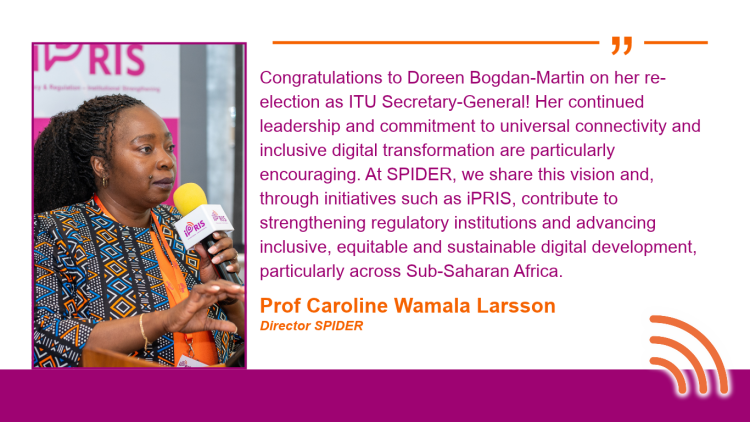
iPRIS is coordinated and implemented by SPIDER in strategic and technical partnership with the Swedish Post and Telecom Authority (PTS), Institut luxembourgeois de régulation (ILR), Autoridade Nacional de Comunicações (ANACOM), as well as ARTAC, CRASA, EACO, and WATRA.
iPRIS is funded by the European Union, Sweden, and Luxembourg as part of the Team Europe Initiative “D4D for Digital Economy and Society in Sub-Saharan Africa” (Code: 001).