


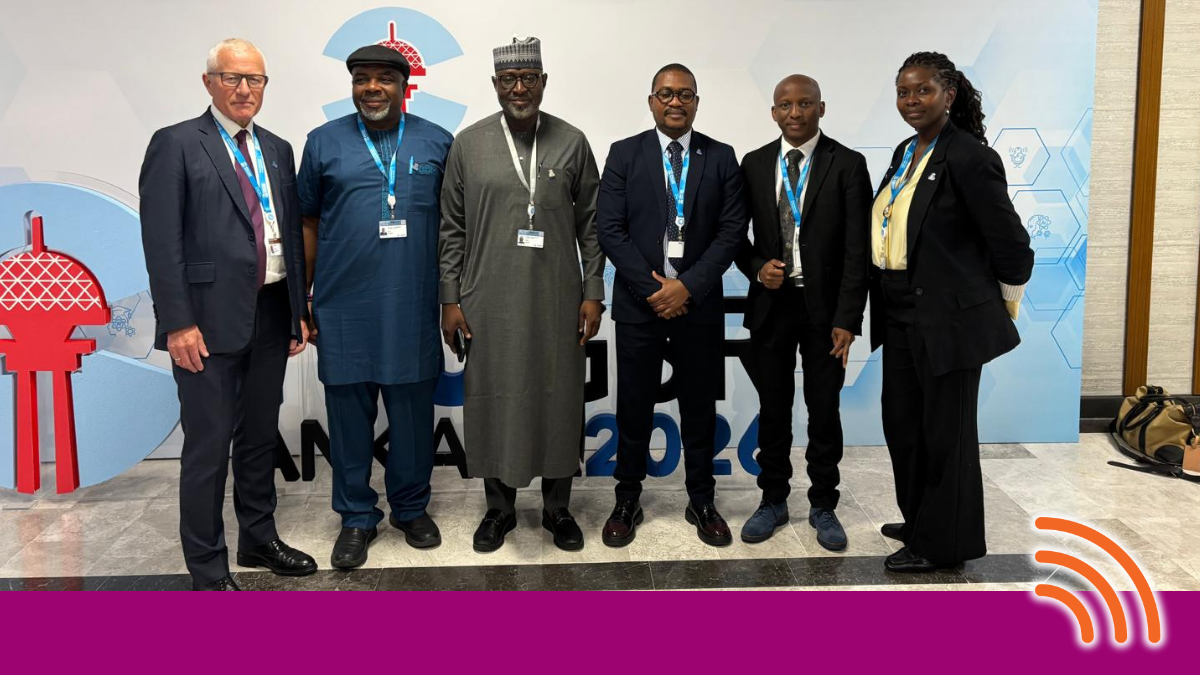
From 12th to 15th of May, the government of Türkiye held the Global Symposium for Regulators (GSR-26) at the Information and Communication Technologies Authority (BTK) Headquarters in Ankara, Türkiye. The International Telecommunication Union (ITU) hosts an annual global knowledge exchange, bringing together around 1035 participants and 15 Regional Regulatory Associations. This year’s sessions focused on the theme “Navigating the Digital Frontier.” The summit was chaired by Mr. Ömer Abdullah Karagözoğlu, President of the Information and Communication Technologies Authority (BTK).
Ms Doreen Boggan-Martin, Secretary-General of the International Telecommunication Union, said, “When GSR met for the first time in 2000, fewer than half of the ITU member states had a regulatory body. Today, 166 of our 194 member states have a regulator; that's what a quarter of a century of cooperation looks like.” It shows our commitment and forward-looking approach. This implies the impeccable growth of GSR member states, made possible through collective commitment and collaboration among them.
This symposium brings together the entire digital ecosystem to build a resilient and inclusive future, signalling a fundamental shift in our role from merely reacting to technological disruption to proactively designing pathways to resilience and inclusion. Today, we navigate an unprecedented moment of technological advancement, driven heavily by artificial intelligence, cloud infrastructure, and the Internet of Things. The pace of adoption is staggering.
Shaping future connectivity through submarine cables and space-based systems
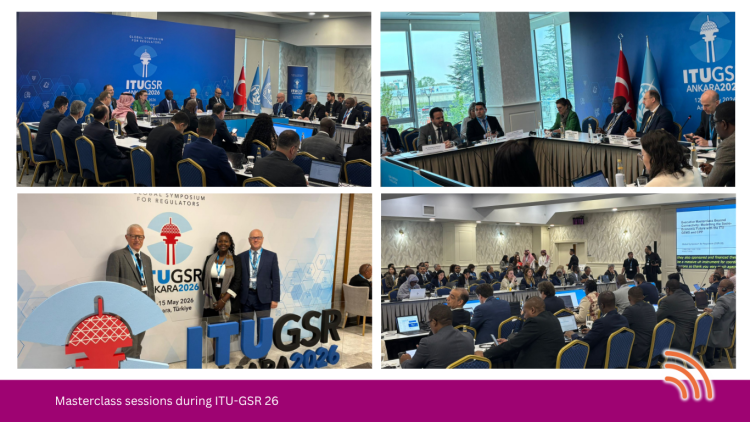
We are navigating an unprecedented pace of technological advancement, driven heavily by artificial intelligence, cloud infrastructure, and the Internet of Things. Director of the Telecommunication Development Bureau (BDT) at the International Telecommunication Union, Dr Cosmas Luckyson ZAVAZAVA, reflected that, “Leading generative AI applications reached 100 million users in just two months, marking the fastest technology adoption in history and bringing immense economic potential. Furthermore, broad industry estimates suggest AI could contribute $4.8 trillion to the global economy. Importantly, the backbone of AI is cloud infrastructure, and this is expanding by over 30% every year.” He further stated, “However, nearly one third of the global population is still offline, 2.2 billion people, which means we must act now to ensure the digital divide doesn't transform itself into an even greater AI divide.”
There is a need for real-time trusted information sharing on emerging risks from deepfake-driven fraud to algorithmic bias. We cannot navigate without data, nor can we bridge the digital divide without sustainable investment.
Data-driven pathways to universal connectivity
The GSR-26 chair, Mr. Ömer Abdullah Karagözoğlu, President of the Information and Communication Technologies Authority, Turkey, shared that the GSR-26 Best Practice Guidelines have been adopted, a report of shared insights from regulators, policymakers, the private sector, and other relevant stakeholders committed to making digital markets work in the public interest. This guideline outlines the essentials of regulatory governance for a fast-changing digital environment. These guidelines from GSR-26 provide a shared reference point for building regulatory institutions that can respond to technological change while keeping people, public interest and sustainable development at the centre.
Dr Cosmas Luckyson ZAVAZAVA also stated that, with this perspective in mind, navigation requires three things.
- A reliable compass – to anchor every regulatory decision in the entwined aims of protecting human dignity, preserving fair competition, and prioritising the most vulnerable.
- Shared signals – to share trusted information about new risks right away.
- Willingness to act – to try new ideas with test programs and adjust quickly.
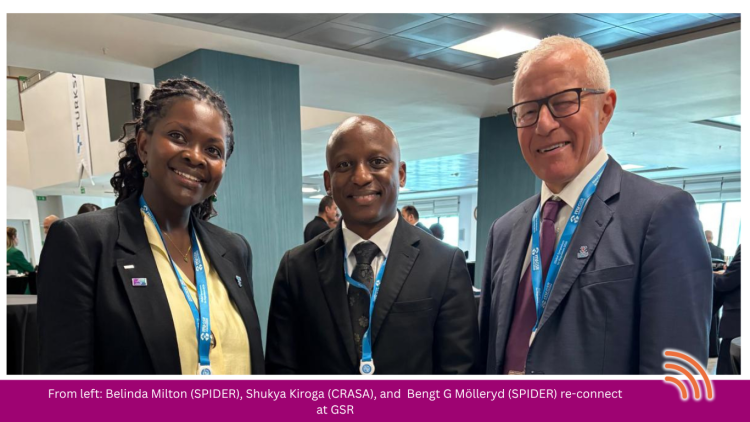
These guidelines reflect a collective experience, shared priorities, and common determination to develop more agile, inclusive, and forward-looking regulatory approaches for the digital age. The GSR-26 best practice guidelines will provide meaningful guidance to regulators and policymakers worldwide as we continue to navigate increasingly complex digital ecosystems together and adopt a collaborative, future-oriented approach.
Global cooperation and multi-stakeholder action in digital governance
Connectivity, innovation and digital opportunities should benefit all segments of society and contribute to economic and social development. Ömer Fatih Sayan, Deputy Minister of Transport and Infrastructure, while further expounding on the need for digital transformation as a priority, said, “We continue our preparation for next generation technologies such as 5G, 6G, AI satellite technologies and advanced digital infrastructure.”
Mr. Ömer Abdullah Karagözoğlu, Chairman of the Board and President of the Information and Communication Technologies Authority (BTK) of the Republic of Türkiye, said, “Digital Transformation is no longer a matter concerning a single institution alone, It is a shared global agenda that requires continued dialogue and cooperation among governments, regulators the private sector, international organizations, academia and civil society.” he added, “Now that technology evolves over months, there is an urgent need to close the speed gap. Here is our shared task as GSR-26. We are here not to stop the frontier; we are here to navigate it well."
Closing usage gaps through inclusive access and digital literacy
The role of regulators extends far beyond traditional oversight. Regulators are now expected to create environments that support innovation and promote trust and stability. They must also encourage sustainable investment, strengthen resilience, and safeguard citizens' interests. This is essential in an increasingly complex digital landscape, one that demands technical capability, adaptability, collaboration, and a future-oriented mindset.
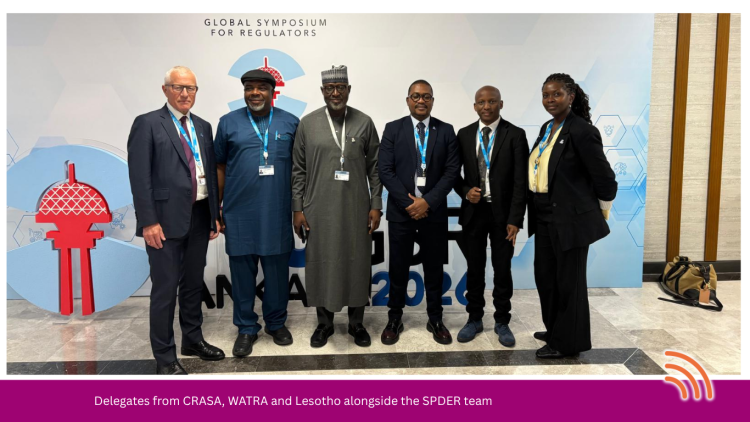
All discussions held during GSR 26, along with the best-practice guidelines from these processes, will contribute meaningfully to future international cooperation. They will also inform more forward-looking approaches to digital regulation worldwide. The dialogue, partnerships, and ideas developed here in Ankara will continue well beyond this symposium. They will help build a more inclusive, resilient, secure, and human-centred digital future for all.
Closing connectivity and usage gaps for meaningful digital participation
Collectively, discussions at GSR-26 reinforced that achieving meaningful digital transformation goes far beyond expanding connectivity. Delegates highlighted the urgent need to close persistent usage gaps through affordable access, digital literacy, relevant services, and inclusive infrastructure that enables full participation in the digital economy. The conversations also recognised that connectivity challenges differ across regions and communities, particularly in rural areas, making localised and context-specific approaches essential for sustainable progress.
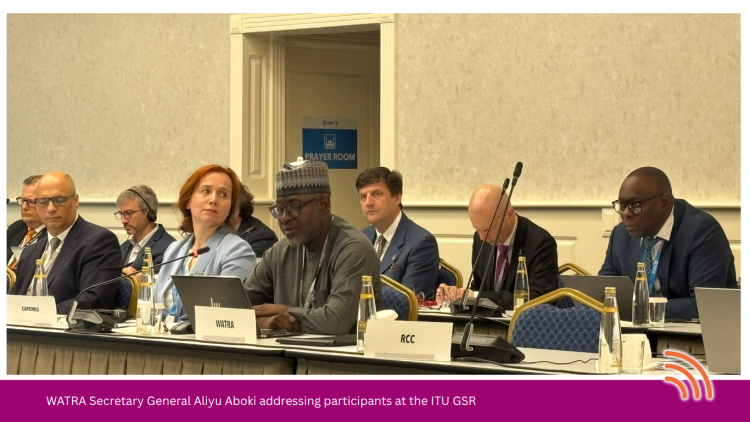
The summit further reaffirmed the growing importance of resilience, digital sovereignty, and secure infrastructure in shaping future digital ecosystems. As technologies continue to evolve rapidly, participants stressed the value of evidence-based policymaking, inclusive and gender-responsive strategies, and stronger international cooperation in advancing Universal and Meaningful Connectivity (UMC). Ultimately, GSR-26 underscored that navigating the digital frontier will require collective action, shared responsibility, and continued collaboration among governments, regulators, industry, and global stakeholders to build a more inclusive, secure, and resilient digital future for all.
iPRIS is coordinated and implemented by SPIDER in strategic and technical partnership with the Swedish Post and Telecom Authority (PTS) and Institut luxembourgeois de régulation (ILR), as well as ARTAC, CRASA, EACO, and WATRA.
iPRIS is funded by the European Union, Sweden, and Luxembourg as part of the Team Europe Initiative “D4D for Digital Economy and Society in Sub-Saharan Africa” (Code: 001).