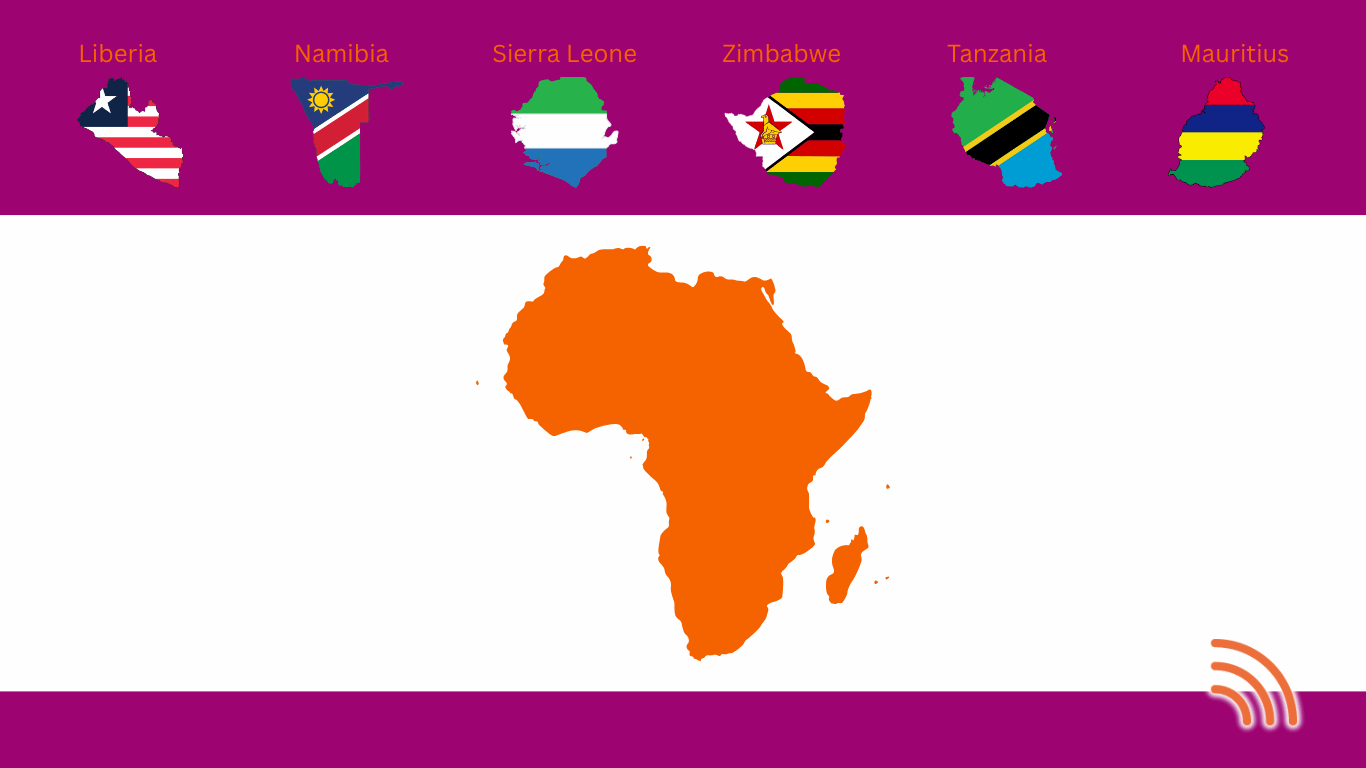
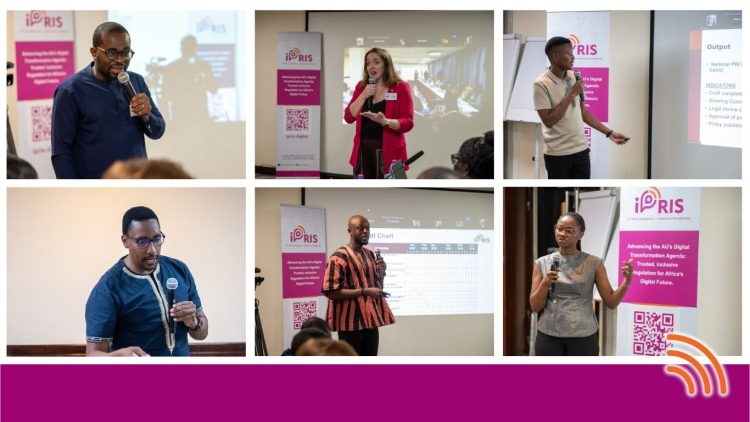
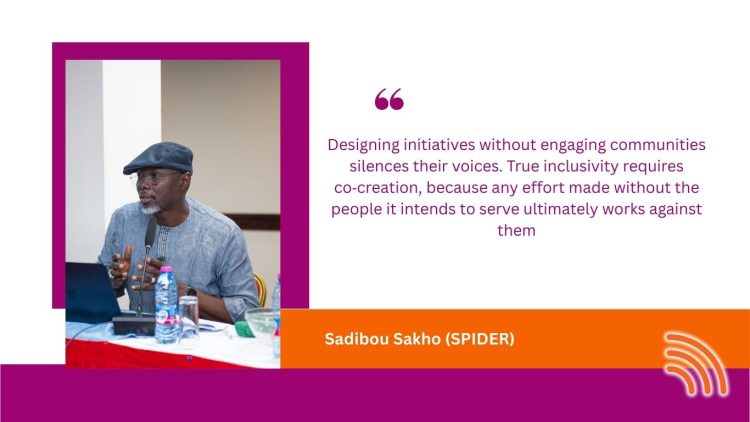
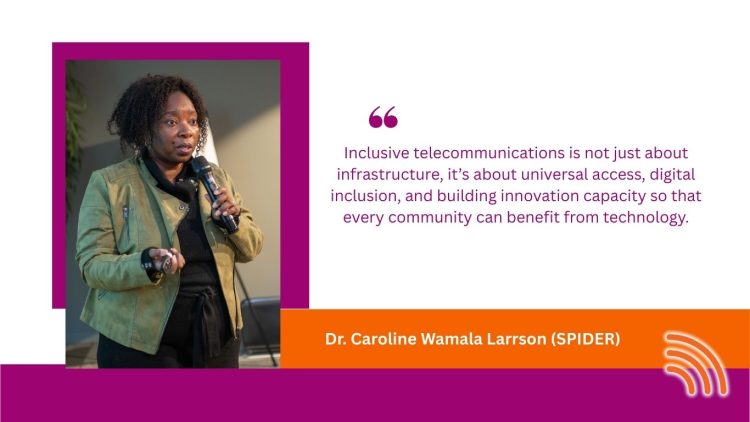
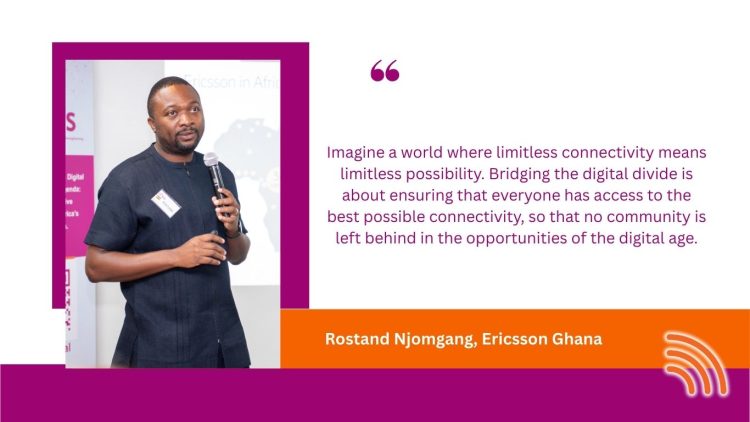
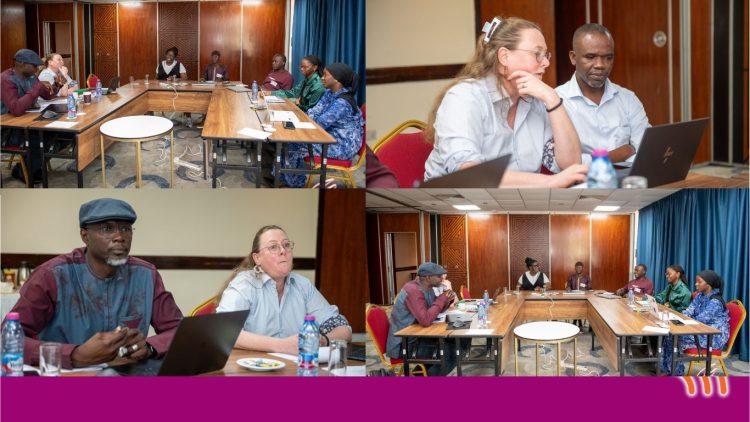
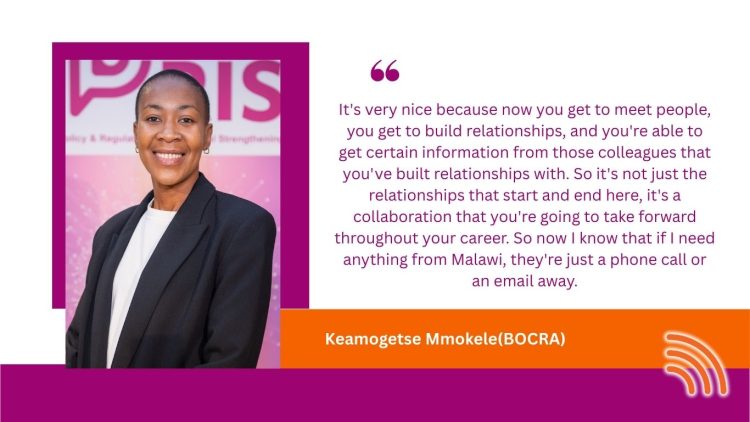
The iPRIS programme enters its second year with the launch of the eighth cohort, bringing together regulators from Liberia, Namibia, Mauritius, Sierra Leone, Zimbabwe, and Tanzania. From 13th April 2026 to 29th April 2026, the regulators will spend three weeks in Stockholm, Sweden, to collaborate, implement their change initiatives, refine national reform plans, and exchange lessons to strengthen Africa’s digital future. They will also be joined by other telecom experts from regional regulatory organisations (RROs): the East African Communications Organisation (EACO), the Communications Regulators’ Association of Southern Africa (CRASA), and the West Africa Telecommunications Regulators Assembly (WATRA), who will share lessons from regional cooperation frameworks.
The digital divide in Sub-Saharan Africa
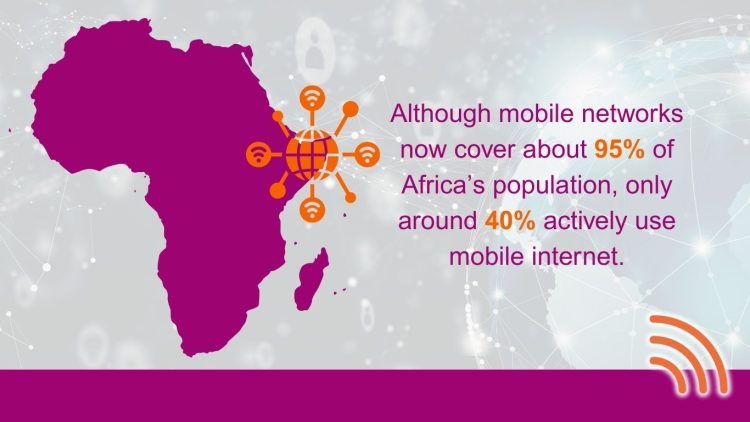
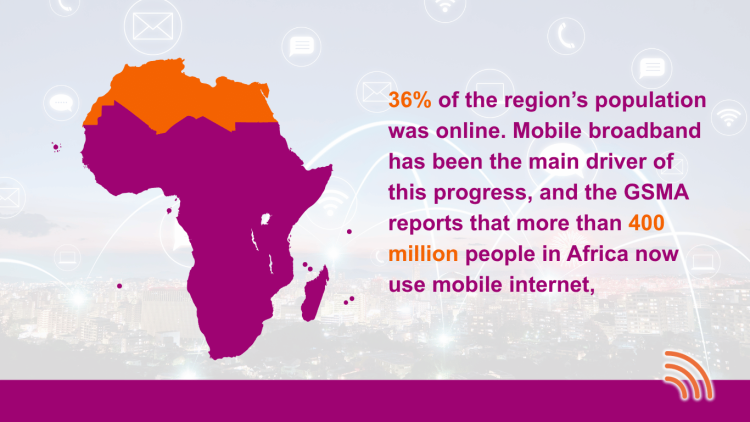
Over the past decade, Sub‑Saharan Africa has shown remarkable growth in digital access. Internet use has continued to rise, with the International Telecommunication Union (ITU) estimating that by 2025 around 36% of the region’s population was online. Mobile broadband has been the main driver of this progress, and the GSMA reports that more than 400 million people in Africa now use mobile internet, a figure expected to grow as 4G and 5G networks expand.
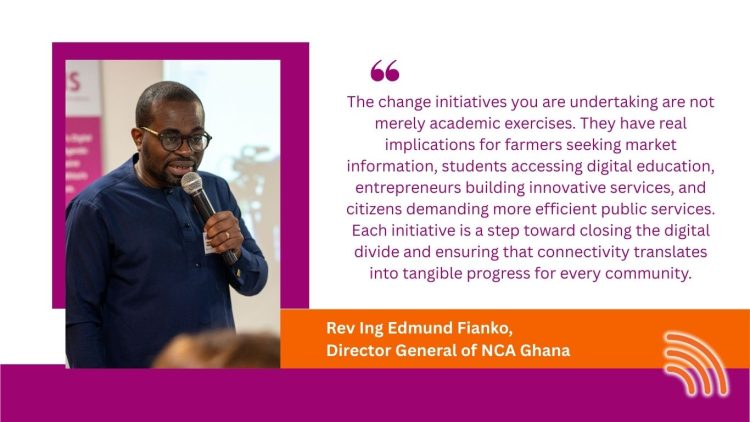
However, the digital divide still needs to be bridged; millions remain offline, particularly in rural areas where affordability and digital skills remain barriers. This gap is not just about connectivity; it is about access to education, healthcare, financial services, and opportunities that depend on being digitally included.
iPRIS aims to advance telecom regulation in Sub-Saharan Africa to improve the aforementioned sectors. By equipping regulators with the tools to design inclusive policies, manage spectrum effectively, and promote affordable access, iPRIS helps ensure that connectivity gains translate into real opportunities for citizens. Progress is being made, but reaching the goal of universal access will require sustained collaboration, and iPRIS is part of that journey.
Expanding the network: A growing community of regulators
Since its inception in November 2023, the iPRIS programme has evolved into a dynamic platform for peer learning and regional cooperation. Initially a pilot initiative and a successor of the ITP program, it has now supported over 120 telecom regulators across 33 African countries, advancing inclusive, evidence-based approaches to ICT policy and regulation.
iPRIS has convened cohorts in Europe and Africa, each contributing to a broader knowledge ecosystem. Regulators have shared best practices, piloted reforms, and built sustainable partnerships, accelerating the continent’s digital transformation. With the Lusophone cycle in the planning phase this year, the iPRIS network will continue to connect major NRAs across Sub-Saharan Africa to achieve their regulatory objectives, both nationally and regionally.
With the eighth cohort, iPRIS further expands its footprint, adding new experiences and perspectives from participants. This collaborative model has engaged over 200 telecom experts, strengthening institutional capacity, improving policy coherence, and bridging regional divides in digital governance. By 2028, the programme aims to have trained over 300 regulators from 43 National Regulatory Authorities, embedding reforms that make Africa’s digital future more inclusive, resilient, and sustainable.
Progress across nations: Impact stories
The eighth iPRIS cohort is not starting from scratch; each participating regulator arrives with a track record of reforms already reshaping their national digital landscapes. From rural connectivity projects to regional roaming agreements, from cybersecurity enforcement to inclusive ICT training, these initiatives show how regulation is driving real progress for citizens and businesses. Together, they illustrate the diverse ways African regulators are bridging the digital divide and building a more resilient digital environment.
Liberia:
Liberia’s digital journey is gathering pace, and the Liberia Telecommunications Authority (LTA) has been at the centre of it. Over the past year, the regulator has pushed forward ambitious plans to modernise the country’s connectivity landscape. At the Liberia Infrastructure Conference, LTA showcased opportunities in 5G networks, fibre‑to‑the‑home rollout, and the Amílcar Cabral undersea cable, signalling a clear intent to attract private investment and accelerate digital transformation. These projects are not just about technology; they are about positioning Liberia as a competitive hub in West Africa’s digital economy.
On the ground, the impact is visible. In Vahun, Lofa County, a new communications tower has brought mobile coverage to thousands who previously struggled to connect. For schools, satellite internet kits are being deployed to support digital learning, opening doors for children in rural areas to access the same resources as their peers in Monrovia. LTA has also convened forums to ensure that persons with disabilities are not left behind, engaging operators and community leaders to improve accessibility and accountability.
At the same time, Liberia is strengthening its digital backbone. By participating in the National Peering Forum, LTA has advanced the country’s Internet Exchange Point, reducing costs and improving speeds for everyday users. Internationally, the regulator has been active at events like the TikTok Safer Internet Summit in Nairobi and Mobile World Congress in Barcelona, bringing home insights on cybersecurity, consumer protection, and innovation.
Namibia:
Namibia’s regulator, CRAN, has been steadily working to bring connectivity to communities that have long been underserved. In recent months, new telecommunications towers have gone up in villages like Epinga and Ehomba, funded through the Universal Service Fund. For residents, this has meant the arrival of reliable voice and data services for the first time, opening doors to better schooling, healthcare access, and local business opportunities.
At the same time, CRAN is preparing the country for the next generation of networks. Plans are underway to transition from older 2G and 3G systems to more efficient 4G and 5G technologies. This shift is not just about faster speeds, it’s about ensuring that Namibia’s infrastructure can support modern digital services and give citizens the tools to participate fully in the digital economy.
The regulator has also invested in community empowerment. At the Khomasdal Rossing and Otjomuise libraries, CRAN donated computers and provided free internet access, enabling thousands of people to study, conduct research, and apply for jobs online. For many students and job seekers, these libraries have become gateways to opportunity, with high‑speed internet transforming how they learn and connect with employers.
CRAN has also been strengthening Namibia’s resilience in the digital space. Through its national Computer Security Incident Response Team (NAM‑CSIRT), the regulator hosted training on DNS resilience — essentially teaching stakeholders how to protect the “address book” of the internet from cyberattacks and disruptions. This kind of capacity building ensures that as Namibia expands its networks, it also safeguards them against threats.
Mauritius:
Mauritius has often been perceived as a digital leader in the Indian Ocean, and the Information and Communication Technologies Authority (ICTA) has been steering this transformation with a mix of innovation and regulation. In recent months, ICTA authorised the use of non‑geostationary satellite orbit (NGSO) broadband services, requiring providers to operate through locally licensed ISPs (Internet Service Providers). This decision reflects a careful balance: opening the door to new technologies while ensuring orderly market entry and benefits for local players. It is a move that expands connectivity options, particularly for remote communities, while maintaining a strong regulatory framework.
ICTA has also opened the 700 MHz frequency band for testing and operation of IMT networks, including 5G. This step signals the country’s readiness to embrace next‑generation connectivity and ensure spectrum is used efficiently. For citizens, it means faster, more reliable services and the potential for new digital applications that can drive economic growth.
The regulator’s decisions are felt directly in everyday life. In the Agalega Islands, a remote dependency of Mauritius, ICTA has supported projects under the Universal Service Fund to enhance internet connectivity. For residents there, improved access means better communication with the mainland, opportunities for online learning, and access to essential services that were previously out of reach. Another regulatory change in Mauritius is the revocation of SIM registration rules that required identity documentation. This has reshaped how mobile users interact with their services, making access simpler and more flexible.
Sierra Leone:
Sierra Leone’s regulator, NatCA, has been weaving regional cooperation and consumer protection into its digital transformation story. One of the most significant developments has been the cross‑border agreement with Guinea to introduce free mobile roaming. For traders, students, and families living near the border, this has meant using their home SIM cards without extra charges, reducing costs and making communication seamless across two countries.
NatCA has also been working to strengthen connectivity between Sierra Leone and Guinea through a memorandum of understanding on internet interconnection. By linking networks across borders, the regulator is ensuring faster, more reliable services and laying the groundwork for a more connected West Africa.
Additionally, NatCA has also been active in consumer education. Public awareness campaigns have reached citizens through radio, television, newspapers, and social media, focusing on phishing prevention, safe mobile money practices, and data privacy. These efforts are particularly targeted at youth and rural communities, helping them build resilience against cyber threats and strengthening trust in digital services.
The regulator’s presence is felt beyond technical reforms. During Ramadan and Lent, NatCA donated food to religious institutions in Freetown and surrounding communities, demonstrating that its role extends to social support and community engagement. At the same time, Sierra Leone’s voice has been heard regionally, with NatCA’s Director‑General, Mr Amara Brewah, participating in the Smart Africa Council of Regulators, reinforcing the country’s place in continental ICT dialogue.
Zimbabwe:
Zimbabwe’s regulator, POTRAZ, has been shaping the country’s digital landscape by placing cybersecurity and accountability at the centre of its agenda. In recent months, it has called out organisations that continue to process personal data without the required licences under the Cyber and Data Protection Act. By insisting on compliance, POTRAZ is reinforcing trust in the digital ecosystem and ensuring that citizens’ information is handled in a lawful manner. This push for accountability is complemented by awareness‑raising initiatives, such as the Annual Data Privacy Symposium, which brings together stakeholders to discuss privacy as the foundation for innovation and trust in a digital economy.
At the same time, Zimbabwe has been investing in people and communities. Through its ICT Scholarship programme, students across the country are gaining opportunities to advance their education in technology and build the skills needed for the future workforce. In rural areas, more than 200 community information centres have been established, bringing internet access and government services closer to citizens, including the elderly and underserved populations. For many, these centres have become vital spaces for learning, communication, and participation in the digital economy.
POTRAZ has also positioned Zimbabwe within global and regional conversations. By participating in forums such as WSIS+20 and AI for Good, the regulator has engaged with international peers on issues ranging from ethical AI to inclusive infrastructure. Hosting regional workshops on emergency telecommunications and early warning systems further demonstrates Zimbabwe’s role in building resilience across Southern Africa.
Tanzania:
TCRA, has been driving digital inclusion with a strong focus on safety, accessibility, and empowerment. One of its most visible initiatives has been the launch of a nationwide short-code service, 15040, that allows citizens to report suspicious messages and verify unknown phone numbers. For millions of mobile money users, this simple tool has become a shield against fraud, giving them confidence to engage in digital services without fear of being exploited.
TCRA has also taken a creative approach to tackling misinformation. Through the “FUTA DELETE KABISA” campaign, launched during the International Week of the Deaf, citizens were educated on how to identify and avoid false information online. Importantly, the campaign included sign language interpretation, ensuring that members of the deaf community could fully participate. This emphasis on inclusivity shows how regulation can empower even the most marginalised groups to engage safely in the digital space.
The regulator’s commitment to empowerment extends to young women. In collaboration with the Ministry of Communications and IT, UCSAF, and the ICT Commission, TCRA organised practical ICT training for girls with special needs from secondary schools in Dodoma. These sessions equipped them with STEM and digital skills, inspiring them to pursue careers in technology and equipping them to design solutions to social challenges in their communities.
Regionally, Tanzania has positioned itself as a leader by hosting the ITU Subregional Workshop in Dar es Salaam, bringing together experts from across Africa to discuss universal and meaningful connectivity. TCRA has also been reviewing the postal sector’s legal framework to align with sustainability goals and support e‑commerce, while backing local innovators in global competitions like the G20 Digital Innovation Challenge.
Highlights: A three‑week collaboration
The eighth iPRIS cohort will take part in an intensive three‑week peer-learning in Stockholm, designed to blend expert‑led sessions, collaborative project work, and immersive field visits. The schedule connects theory with practice, ensuring that regulators refine their change initiatives by learning from European peers and from one another.
The discussions will revolve around these components:
- Joint European Offer (JEO) sessions led by experts from the Swedish Post and Telecom Authority (PTS) and partners, covering topics such as institutional and legal frameworks, secure communications, numbering and addressing, spectrum management, end‑user protection, broadband deployment and mapping, competition regulation, and new regulatory issues.
- Project management and MEAL (Monitoring, Evaluation, Accountability, and Learning) workshops facilitated by SPIDER, strengthening participants’ ability to design, monitor, and implement their Change Initiatives.
- Diversity, Equity and Inclusion sessions led by SPIDER.
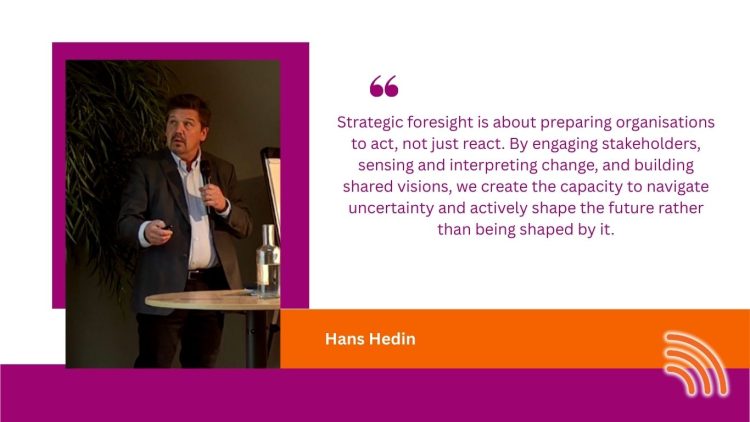
- Strategic Foresight sessions led by PTS.
- Field visits to leading institutions and industry players, including PTS headquarters, Stockholm University, Ericsson, Telia, and Ernst & Young. These visits will showcase models of innovation, governance, and private‑sector collaboration.
- Collaborative exchanges with Regional Regulatory Organisations (RROs), who will present their projects and share lessons from regional cooperation frameworks.
- Networking and cultural events, including a visit to The Royal Palace, a networking dinner, and an Easter dinner at the hotel, to foster cooperation and build lasting professional relationships.
Throughout the period, each NRA will continue to improve its Change Initiative, a national reform plan aimed at strengthening institutional performance and making the regulatory environment sustainable and inclusive.
Read about the iPRIS seventh cohort sessions in Sweden here
This European phase marks only the beginning of the journey. The regulators will reconvene later this year at the Africa round, where they will share lessons learned, assess progress on their Change Initiatives, and continue building momentum for inclusive digital transformation. By returning to the continent, the programme ensures that the knowledge gained in Stockholm is translated into action at home, reinforcing the commitment to bridge the digital divide and advance Africa’s digital future together.
iPRIS is coordinated and implemented by SPIDER in strategic and technical partnership with the Swedish Post and Telecom Authority (PTS) and Institut luxembourgeois de régulation (ILR), as well as ARTAC, CRASA, EACO, and WATRA.
iPRIS is funded by the European Union, Sweden, and Luxembourg as part of the Team Europe Initiative “D4D for Digital Economy and Society in Sub-Saharan Africa” (Code: 001).