


From 9 to 12 February 2026, the Regulatory Authority for Electronic Communications and Post of Benin (ARCEP Benin) will host the Africa round of the second Francophone cohort of the ICT Policy and Regulation – Institutional Strengthening (iPRIS) programme in Cotonou.
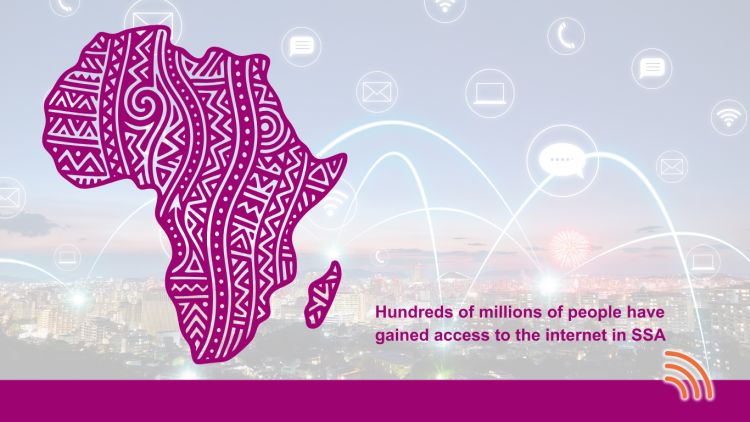
The meeting brings together African National Telecom Regulators, Regional Regulatory Organisations, alongside international collaborators to strengthen institutional capacity and advance inclusive digital transformation across Francophone Africa. Sub-Saharan Africa (SSA) faces major challenges in digital development, including underdeveloped digital infrastructure, limited access to affordable connectivity, a digital gender gap, limited skills for digitally enabled industries, and weak regulatory and policy environments. However, over the last few years, the region has made major advances in digital transformation, with hundreds of millions of people gaining access to the internet and productively using a wide variety of digital services, such as mobile payments and e-learning platforms (World Bank, 2024).
The Africa round of iPRIS’s Francophone cohort in Benin builds on knowledge-sharing sessions in Europe and moves toward implementation, tailoring reforms to local contexts and regional priorities.
Among the participating National Regulatory Authorities are the Regulatory Authority for Electronic Communications and Post of Benin (ARCEP Benin), the Regulatory and Control Agency for Telecommunications of Burundi (ARCT Burundi), the Telecommunications Regulatory Agency of Cameroon (ART Cameroon), the Telecommunications Regulatory Authority of Equatorial Guinea (ORTEL Equatorial Guinea), the Regulatory Authority for Electronic Communications and Post of Gabon (ARCEP Gabon), and the Regulatory Authority for Post and Telecommunications of Guinea (ARPT Guinea).
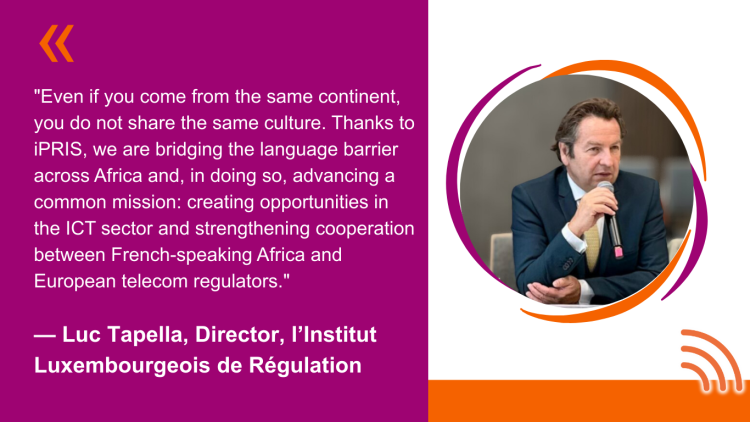
They will be joined by Regional Regulatory Organisations, including the West Africa Telecommunications Regulators Assembly (WATRA), the East African Communications Organisation (EACO), and the African Telecommunications Regulators Assembly for Central Africa (ARTAC).
The meeting will also include implementing partners such as the Luxembourg Institute of Regulation (ILR) and the Swedish Program for ICT in Developing Regions (SPIDER), with contributions from European collaborators including the Regulatory Authority for Electronic Communications and Post of France (ARCEP France).
This convening marks the second stage of the cohort’s journey in the iPRIS cycle, following its initial phase in Luxembourg in September 2025. The follow‑up phase in Cotonou, Benin, will build on the cohort’s initial learning round in Luxembourg, shifting from exposure to Africa‑based implementation. By prioritizing practical reforms, the meeting reinforces ICT regulation as a driver of digital transformation, strengthens regional cooperation among Francophone regulators, and deepens institutional capacity‑building to ensure reliable and inclusive digital economies across Sub Saharan Africa, enabling regulators to implement lessons to local realities and implement concrete reforms.
Read more about the regulator’s time in Luxembourg here.
iPRIS is an EU‑supported initiative designed to strengthen ICT policy and regulatory frameworks across Sub‑Saharan Africa. Coordinated by SPIDER in partnership with the Swedish Post and Telecom Authority (PTS) and the Institut luxembourgeois de régulation (ILR), the programme is part of the Team Europe Initiative Digital for Development (D4D) and emphasises peer learning, institutional reform, and regulator‑led Change Initiatives that deliver measurable impact. In Francophone Africa, the urgency of coordinated regulatory action is clear: over 60% of Africa’s population still lacks access to the internet, according to the African Telecommunications Union (ATU, 2024). This digital divide shows why the Benin meeting is critical, as regulators work to expand affordable connectivity and strengthen institutional capacity for inclusive digital transformation.
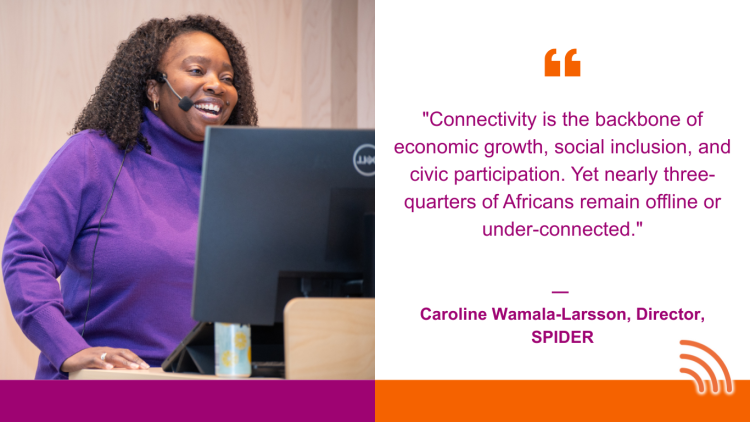
iPRIS helps bridge the digital divide by enhancing inclusive, meaningful digital connectivity. It does so by boosting the capacities of African telecom regulators through peer‑to‑peer learning with African and European counterparts, emphasising institutional reform and practical implementation as the basis for sustainable digital economies. Strengthening digital regulation is directly tied to the Sustainable Development Goals, as inclusive connectivity supports quality education, economic growth, innovation, and stronger partnerships.
Strategic Objectives of the Benin Meeting
- Advance Change Initiatives led by participating National Regulatory Authorities, moving from design to implementation.
- Strengthen regulatory responses to digital inclusion to ensure affordable access and reduce gender and rural connectivity gaps.
- Promote market efficiency by addressing competition, affordability, and consumer protection in ICT services.
- Equip regulators for emerging technologies, including satellite‑to‑device services, cybersecurity frameworks, and digital platforms.
- Tackle cross‑border regulatory challenges, harmonising approaches to roaming, spectrum management, and regional digital markets.
- Deepen regional and Francophone collaboration, fostering shared solutions and peer‑to‑peer support across national and regional institutions.
- Deliver practical outcomes, with regulators expected to return home with feasible reforms designed for their local contexts.
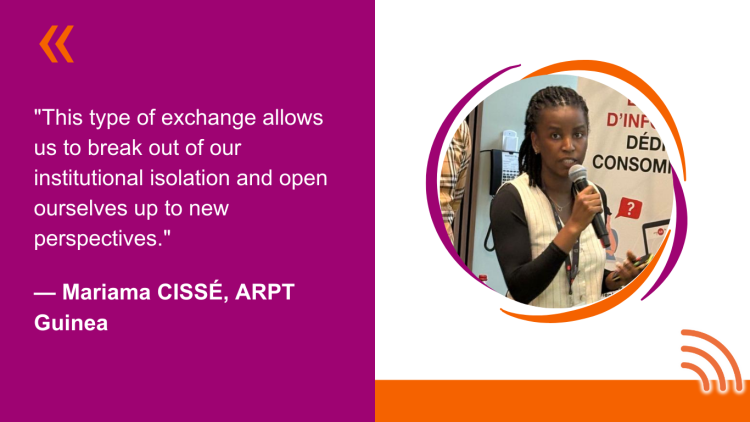
Since the project was launched in 2023, iPRIS has engaged 24 National Regulatory Authorities (NRAs) and 4 Regional Regulatory Organisations (RROs), supporting more than 20 measurable Change Initiatives across spectrum reform, cybersecurity frameworks, roaming regulations, and satellite‑to‑device services. These initiatives demonstrate how peer learning translates into concrete reforms that expand affordable connectivity, strengthen consumer protection, and prepare regulators for emerging technologies.
The Africa round in Cotonou, Benin, is not the end of the journey but part of iPRIS’s continued engagement with African regulators. Continuous partnership beyond this meeting will be essential to ensure that the lessons learned translate into long-term reforms, stronger institutions, and more inclusive digital economies across the region. As the cohort advances its Change Initiatives and deepens regional cooperation, iPRIS remains committed to supporting regulators in adapting to emerging technologies and cross‑border challenges.
For updates and highlights on the programme’s progress, visit the iPRIS LikedIn Page.
Watch highlight videos of the iPRIS videos here.
iPRIS is coordinated and implemented by SPIDER in strategic and technical partnership with the Swedish Post and Telecom Authority (PTS) and Institut luxembourgeois de régulation (ILR), as well as ARTAC, CRASA, EACO, and WATRA.
iPRIS is funded by the European Union, Sweden, and Luxembourg as part of the Team Europe Initiative “D4D for Digital Economy and Society in Sub-Saharan Africa” (Code: 001).