

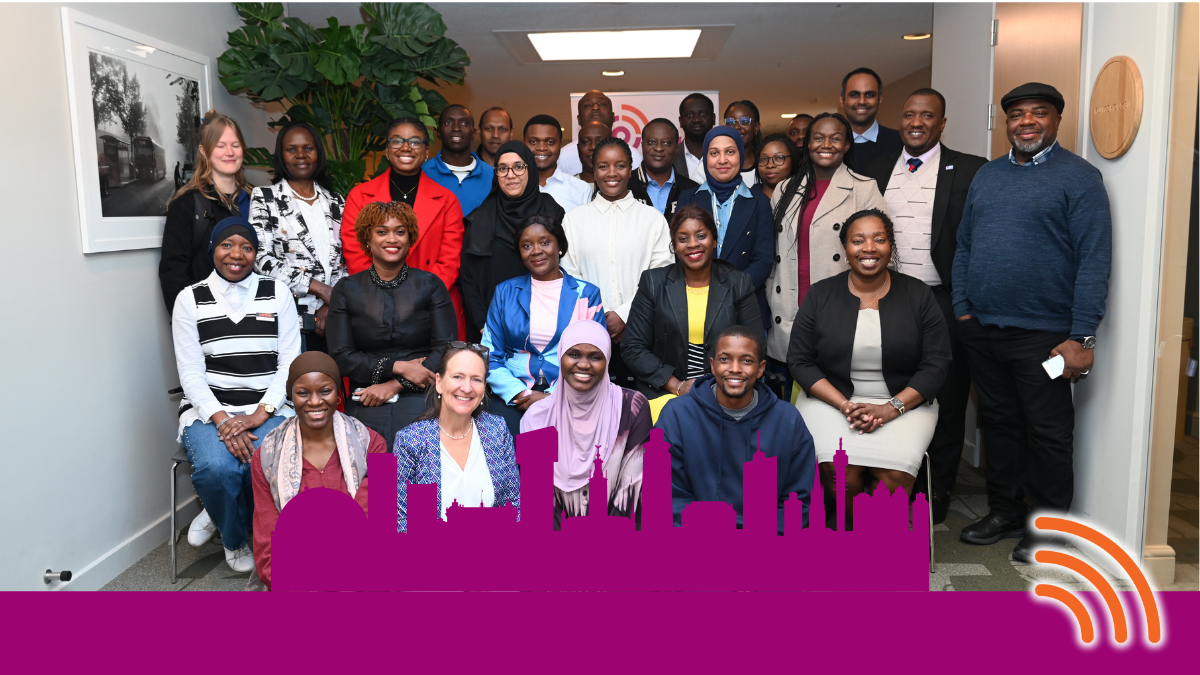
From 13 April to 29th April, iPRIS hosted its 8th cohort in Stockholm, Sweden, for a two-and-a-half-week comprehensive peer-to-peer learning program. The knowledge-exchange sessions, which are part of the iPRIS cycle, brought together National Regulators (NRAs), Regional Regulators (RROs), implementing partners, including the Swedish Post and Telecom Authority (PTS) and the Swedish Program for ICT in Developing Regions (SPIDER), and European partners. They all convened to advance and strengthen the Change Initiatives(CIs) of the African National Regulatory Authorities. The cycle covered key areas of institutional strengthening, capacity building, regulatory collaboration, and knowledge exchange to strengthen regulatory capacity and drive inclusive digital transformation in Sub-Saharan Africa. The eighth cohort included NRAs from Liberia Telecommunications Authority(LTA), Information and Communications Technologies Authority (ICTA), Communications Regulatory Authority of Namibia (CRAN), National Communications Authority (NatCA), Tanzania Communications Regulatory Authority (TCRA), and Postal & Telecommunications Regulatory Authority of Zimbabwe (POTRAZ). RRO representatives from WATRA, EACO and CRASA also joined the NRAs to help advance their CIs and contribute to regional cooperation. The success of the first cycle of the eighth iPRIS cohort marks a key step in shaping a connected, inclusive, and digitally empowered future.
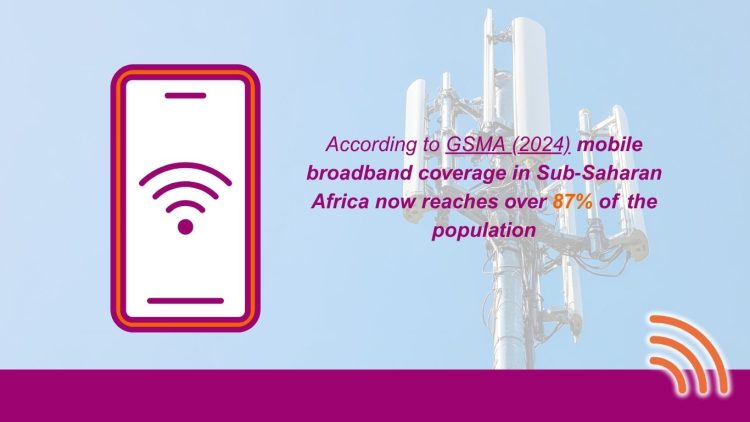
According to GSMA (2024), mobile broadband coverage in Sub‑Saharan Africa now reaches over 87% of the population. However, significant gaps remain, as another GSMA (2024) report highlights that Sub-Saharan Africa remains the region with the lowest connectivity levels and the most extensive coverage and usage gaps, with 27% connected, a coverage gap of 13%, and a usage gap of 60%. These two reports highlight that, despite growth in mobile broadband coverage, usage gaps persist within network coverage, while the digital divide continues to affect rural and underserved communities. While mobile broadband networks have expanded significantly across Sub-Saharan Africa, the greater challenge now lies in converting coverage into meaningful usage. The eighth iPRIS cohort training aimed to address this challenge by strengthening the NRAs’ capacity through sessions including spectrum management, cybersecurity, regulatory frameworks, and Diversity, Equity, and Inclusion.
Week 1: Strengthening institutions and advancing digital inclusion
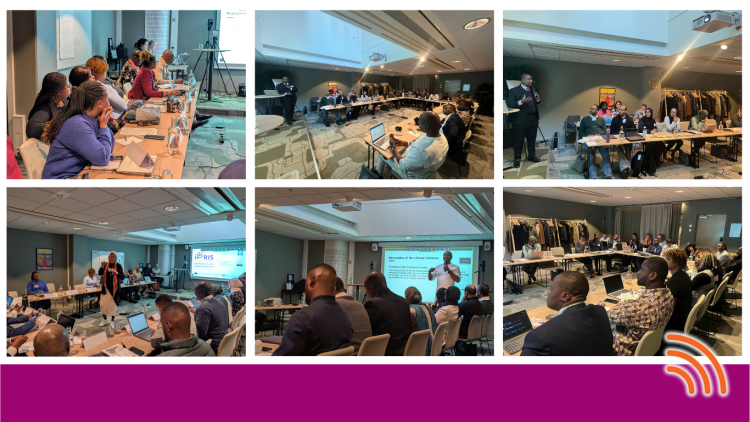
Week One of the program focused on grounding participants in their CIs, strengthening regulatory capacity, and enhancing peer learning among NRAs. The week supported practical implementation through exposure to project management, DEI frameworks and international regulatory practices. The CIs, being the cornerstone of the iPRIS program, were the main focus of the first day of the round, with each NRA presenting on their area of policy development and implementation within the ICT sector. The CIs included quality of service, Digital inclusion for people with disabilities, Cybersecurity, Market regulation, and Spectrum management. Through peer reviews and expert input from PTS and SPIDER, each NRA strengthened its core focus, identified gaps and challenges, and clarified its scope. The participants focused on designing initiatives rooted in clear needs, practical solutions, and measurable impact.
As highlighted in the discussions on institutional strengthening under iPRIS,
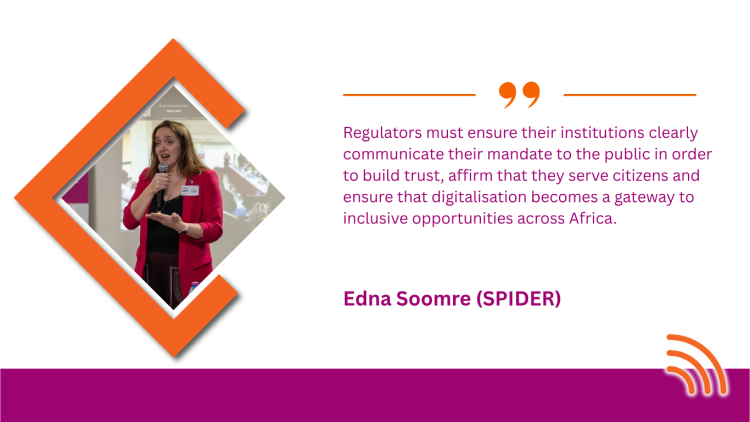
Telecom experts from SPIDER and PTS reinforced participants' regulatory capacity by sharing institutional best practices, policy frameworks, and practical implementation tools. Malena Liendholm Ndounou (SPIDER) equipped the participants with the project management plan, a tool to help ensure the effective execution of these projects so they not only meet their objectives but also advance digital inclusivity in Sub-Saharan Africa.
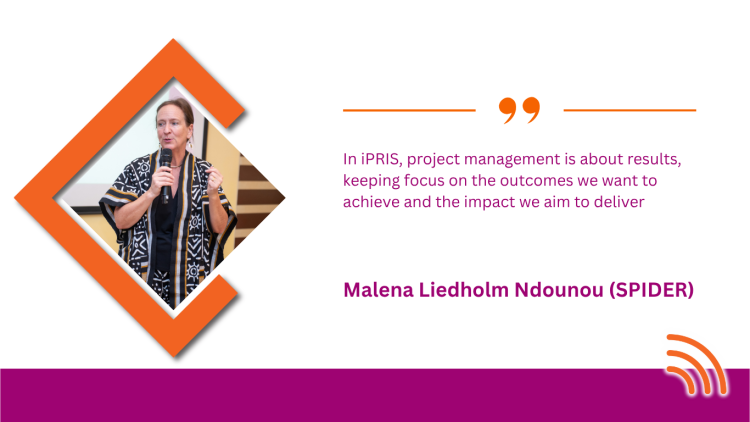
Building on that, she introduced a structured seven-stage project cycle that guides participants through problem identification, objective setting, outcome definition, indicator selection, resource planning, stakeholder mapping, implementation, and Monitoring, Evaluation, Accountability and Learning (MEAL). A key factor noted during this presentation was the need to incorporate Diversity, Equity and Inclusion (DEI) throughout the implementation stages of a project.
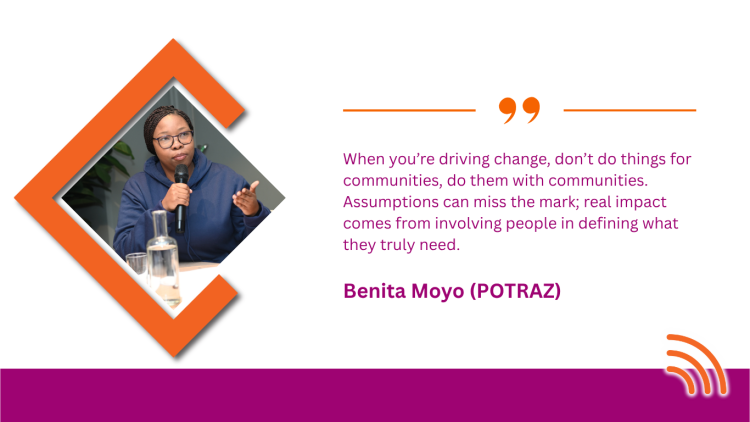
Per Andersson, Antonia Wopenka, Jesper Svedberg, Per-Erik Vitasp and Gustav Söderlind, telecom experts from PTS, led JEO institutional and technical knowledge exchange sessions, which provided exposure to European regulatory frameworks, digital governance models, cybersecurity practices, and inclusive digital development approaches. The JEO sessions highlighted that while technology has advanced toward a more integrated, user-friendly digital ecosystem, there has been an increase in cybersecurity threats, fraud, and digital exclusion. The PTS experts highlighted the regulatory frameworks put in place to build resilience and curb these risks. This was one of the key takeaways that the NRAs could also apply in their authorities in similar cases.
The first week with the cohort strengthened their CIs with a strong analytical basis and gave them a clear picture of how regulatory frameworks can enable equitable digital markets.
Read more about week 1 sessions here
Week 2: From frameworks to real-world regulatory impact
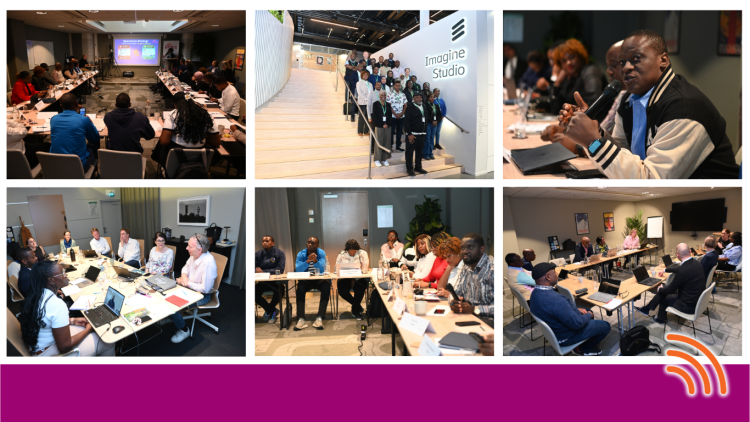
In the second week, the sessions shifted from systems thinking and institutional frameworks to practical discussions on harmonisation, broadband mapping, spectrum management, project evaluation, and regional collaboration. Led by experts from PTS and SPIDER, participants engaged in discussions on end-user protection and DEI. Lisa Gurner of PTS walked the cohort through frameworks and initiatives by the European authority responsible for protecting end users, including the European Electronic Communications Code (EECC).
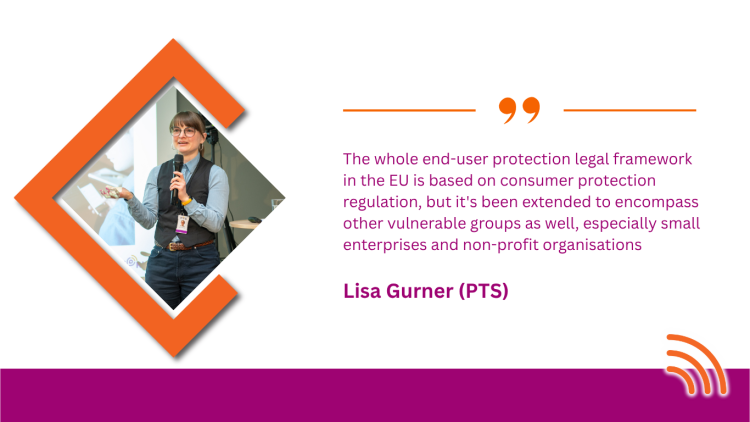
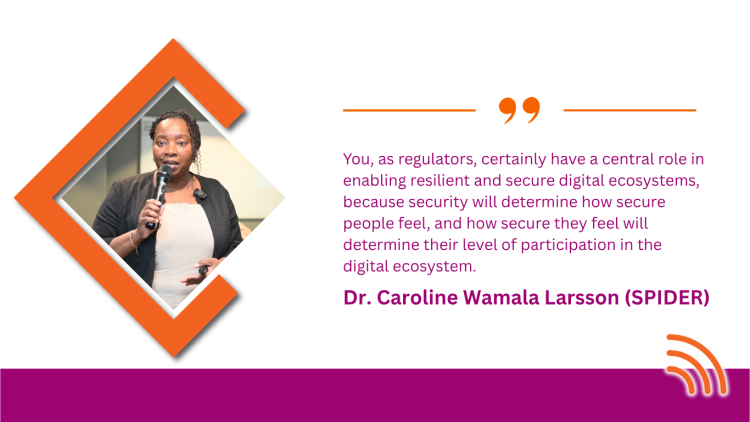
A key thread throughout the discussions was that regulation must go beyond market structure and explicitly address vulnerability, institutional bias, and digital exclusion. Emphasising the responsibility of regulators, Caroline Wamala Larsson of SPIDER noted that:
As participants refined their CIs, they were challenged to rethink inclusion not as a policy add-on, but as a core regulatory outcome that must be embedded from the first stage through structured planning and implementation.
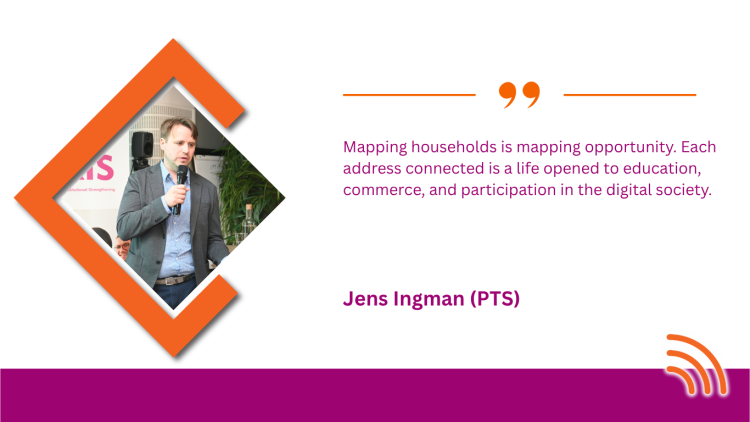
The week transitioned into real-world application through industry and technical exposure. The Ericsson field visit gave participants insight into how connectivity solutions are developed in practice, highlighting the private sector’s role in driving innovation and the importance of regulatory responsiveness to emerging technologies. This was followed by intensive JEO sessions led by Bo Andersson, Andreas Wigren, Jens Ingman, Amela Hatibovic Sehic, Gustav Lenninger and Fredrik Johansson. The sessions focused on broadband deployment, broadband mapping, and spectrum management, where Sweden’s data-driven regulatory model illustrated how granular information improves decision-making, accountability, and coverage analysis. Highlighting the broader developmental impact of such data-driven approaches, Jens Ingman, Senior Analyst, PTS, noted that:
Regional harmonisation discussions further reinforced the importance of coordinated regulatory approaches across countries. By the end of week two, participants had shifted their understanding of regulation toward effective oversight that depends on collaboration between regulators, industry, and robust data systems to ensure meaningful and equitable access to digital services.
Read more about week 2 here
WEEK 3: Defining the way forward for change initiatives
The third week marked a key milestone in the first cycle of the program, as participants consolidated the regulatory knowledge, tools, and approaches gained over the previous weeks and translated them into forward-looking implementation plans. Following sessions on project management, DEI, intersectionality, JEO and telecom regulation, the National Regulatory Authorities (NRAs) entered the final round of Change Initiative discussions with experts from SPIDER and PTS. Representatives from the RROs also contributed through knowledge exchange and regional perspectives, reinforcing the value of cooperation across regions. These discussions helped participants refine objectives, clarify outputs and outcomes, and assess the feasibility of implementation.
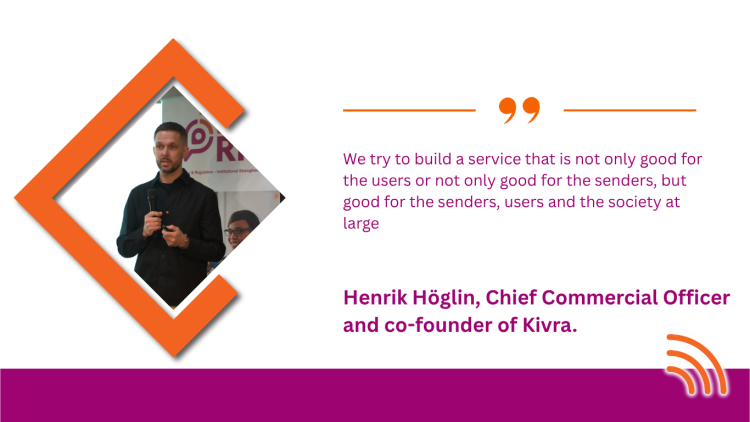
Henrik Höglin introduced the participants to Kivra, a digital mailbox for receiving important documents, such as invoices, salary slips, yearly bank statements, and credit checks, from companies, banks, and authorities. Kivra focuses on environmental sustainability, as more users mean fewer paper letters and more digital communication, resulting in less waste. The session added practical insight into user-centred digital service delivery and regulatory adaptability.
The Way Forward presentations were the central focus of the week, with each NRA outlining how its CI would progress beyond the training phase into practical regulatory action. The presentations underscored that effective regulation requires clear, measurable, and sustainable implementation plans supported by accountability and institutional ownership. The day focused on reflection, consolidation, and closure, as participants presented their refined project plans and demonstrated progress from initial concepts to structured interventions.
The first cycle concluded with evaluations, closing remarks, and certificate presentations, marking the transition from peer learning to implementation. In line with the iPRIS objective, Week Three equipped regulators with actionable, context-responsive tools to advance digital transformation in their respective countries.
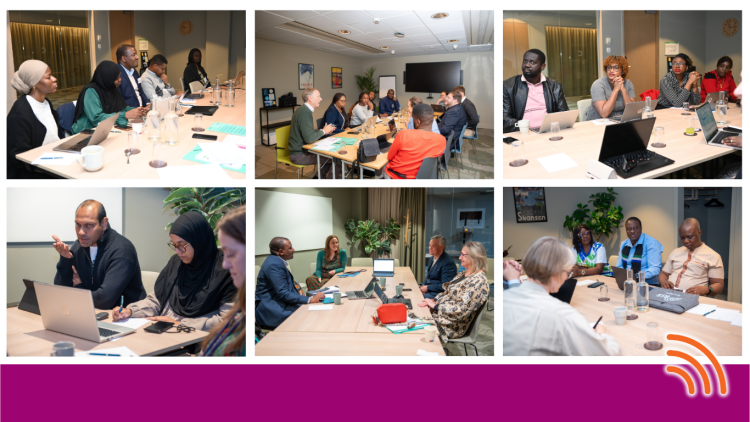
Cohort ready for impact
Over the two and a half weeks, the 8th iPRIS Cohort progressed from foundational regulatory learning to the structured development and refinement of Change Initiatives, culminating in clear implementation plans through the Way Forward presentations. The programme advanced regulatory dialogue and peer learning among African National Regulatory Authorities, with support from European partners and implementing partners, including SPIDER and PTS. Throughout the sessions, participants moved from conceptual understanding to practical regulatory application, with continued emphasis on inclusion, meaningful project management, and effective implementation.
This first round of the iPRIS cycle reinforced a shared commitment to resilient, inclusive, and future-ready digital ecosystems across Sub-Saharan Africa.
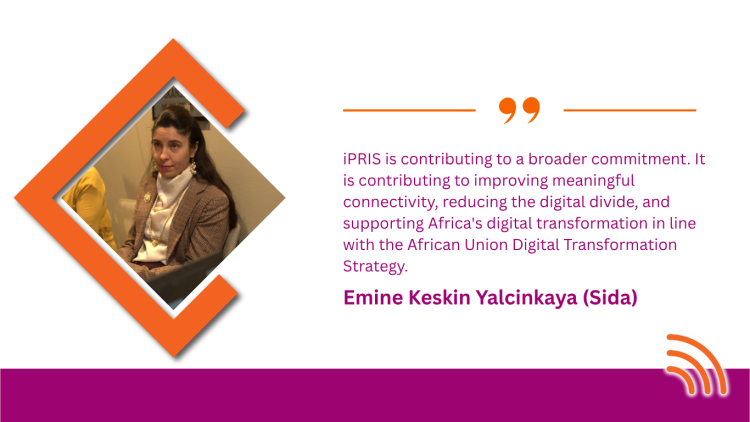
With their Way Forward plans in place, participants conclude the Stockholm phase with clearer regulatory roadmaps, enhanced institutional perspectives, and more developed Change Initiatives. The cohort now proceeds to the next stage of the iPRIS program, prepared to translate knowledge into action through regulatory reform, improved institutional performance, and contributions to Africa’s broader digital transformation agenda. They will convene again in six months in Nairobi, Kenya, to review their progress.
iPRIS is coordinated and implemented by SPIDER in strategic and technical partnership with the Swedish Post and Telecom Authority (PTS) and Institut luxembourgeois de régulation (ILR), as well as ARTAC, CRASA, EACO, and WATRA.
iPRIS is funded by the European Union, Sweden, and Luxembourg as part of the Team Europe Initiative “D4D for Digital Economy and Society in Sub-Saharan Africa” (Code: 001).