


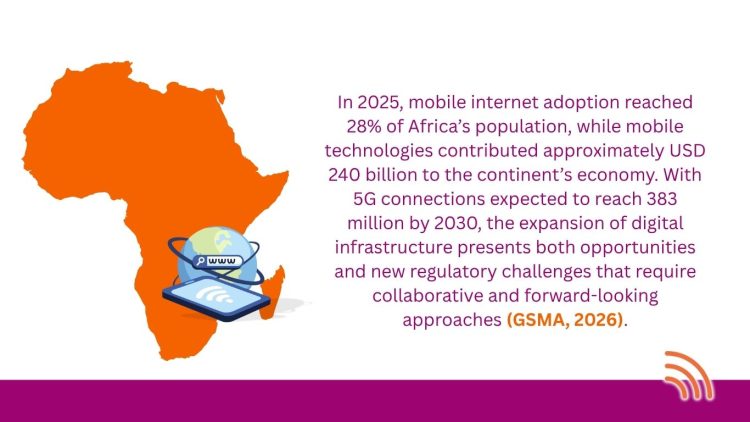
Africa's digital transformation is accelerating, driven by growing investments in connectivity, digital infrastructure, and emerging technologies. Across East, West, South, and Central Africa, ICT and telecommunications experts are working to expand access to meaningful connectivity and ensure that digital opportunities contribute to inclusive economic and social development. In the digital transformation journey, telecom regulators play an increasingly important role in creating an enabling environment that supports innovation, promotes fair competition, protects consumers, and encourages sustainable investment.
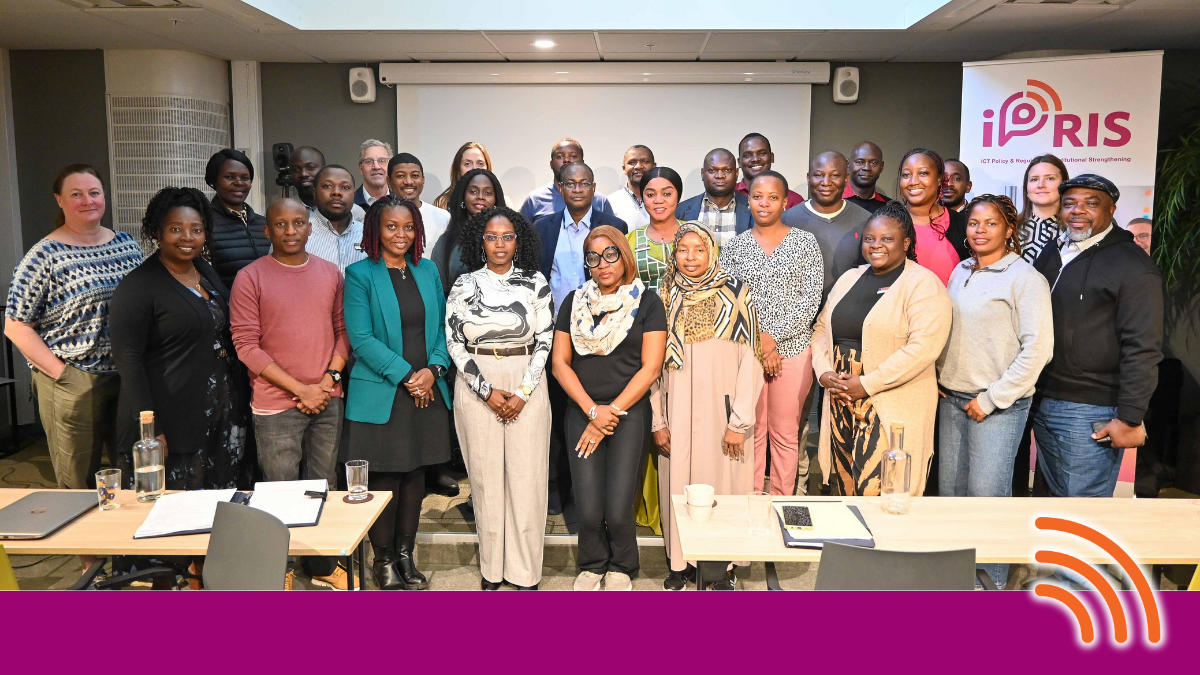
Building on this, the fifth iPRIS cohort brought together telecom experts from six countries across the four regions of Sub-Saharan Africa, Regional Regulatory Authorities (RROs), implementing partners, including the Swedish Post and Telecom Authority (PTS) and the Swedish Program for ICT in Developing Regions (SPIDER), and European partners. The cohort included NRAs from the Nigerian Communications Commission (NCC), the Tanzania Communications Regulatory Authority (TCRA), the Zambia Information & Communications Technology Authority (ZICTA), the Uganda Communications Commission (UCC), the Eswatini Communications Commission (ESCCOM), and the National Communications Authority (NatCA). Through the programme, participants developed and implemented Change Initiatives (CIs) designed to address regulatory challenges, strengthen institutional capacity, and contribute to Africa's broader digital transformation agenda.
On 4th May 2025, the fifth iPRIS cohort commenced its year-long journey of knowledge exchange, capacity building, and regional collaboration. The project provided a platform for technical training, peer-to-peer learning, and practical implementation.
Strengthening Regulatory Capacity through Knowledge Exchange in Stockholm, Sweden.
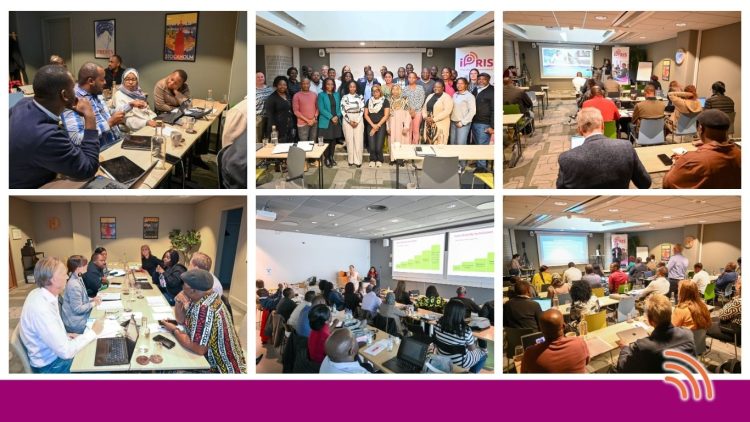
The first phase of the 5th cohort journey officially commenced in Stockholm, Sweden, where regulatory experts gathered for intensive knowledge exchange and capacity building. For two and a half weeks, delegates engaged in discussions, peer-to-peer learning, and technical sessions to strengthen their regulatory capacity.
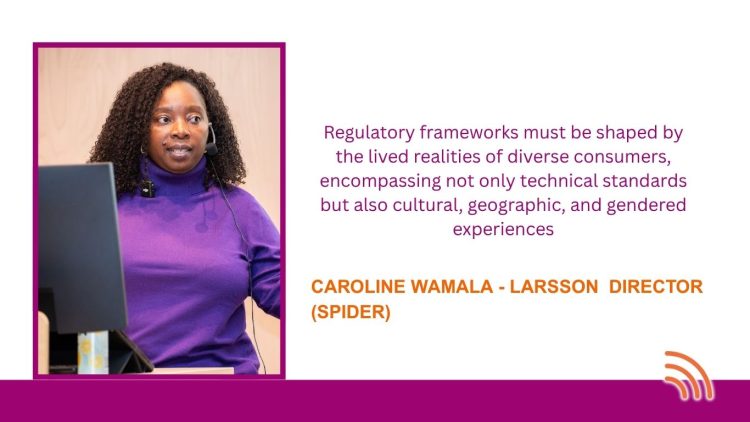
Over the two and a half weeks, delegates were introduced to various approaches, frameworks, and methodologies to advance and ensure the meaningful implementation of their Change Initiatives. These included Diversity, Equity and Inclusion (DEI) approaches, Monitoring, Evaluation, Accountability and Learning (MEAL), and project management methodologies facilitated by SPIDER digital development experts. Together, these frameworks played a critical role in equipping regulators with the tools needed to design, implement, and assess regulatory interventions effectively and inclusively.
PTS played an important role in strengthening the 5th cohort's iPRIS journey by providing, through technical sessions, exposure to key areas shaping the telecommunications landscape. These included numbering and addressing systems, spectrum management, broadband mapping, network deployment strategies, and secure communications infrastructure. Through these sessions, both African and European telecom experts shared experiences, discussed common regulatory challenges, and explored practical solutions from different regulatory contexts. The sessions reinforced the value of cross-regional collaboration and demonstrated how diverse perspectives can contribute to more effective and forward-looking regulatory approaches.
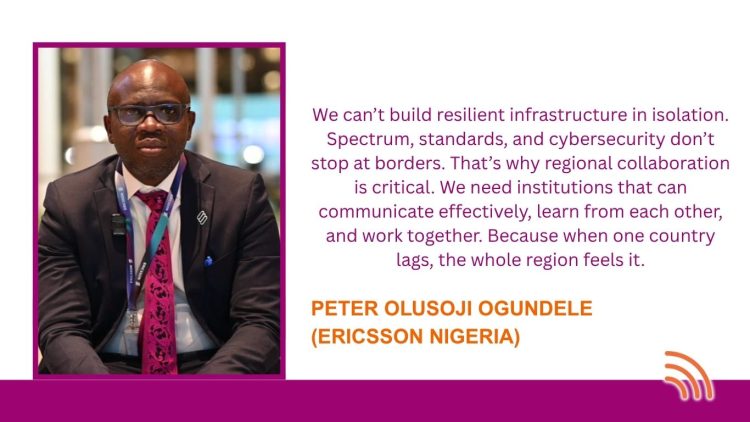
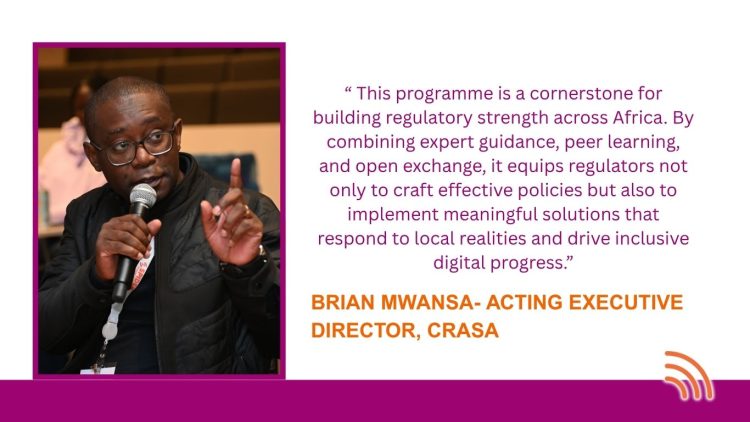
Regional Regulatory Organisations also played a central role throughout the programme. Representatives from the West Africa Telecommunications Regulators Assembly (WATRA), the Communications Regulators' Association of Southern Africa (CRASA), and the East African Communications Organisation (EACO) contributed valuable regional perspectives and insights. These institutions provided a broader regional lens through which delegates could situate their Change Initiatives, aligning them with ongoing harmonisation efforts across Africa. Through dialogue and structured engagement, the NRAs gained insights into shared regulatory priorities, cross-border challenges, and opportunities for coordinated action.
Following the first cycle, participants returned to their respective countries with refined project plans, strengthened technical expertise, and renewed confidence in their ability to drive meaningful change.
Reviewing Projects' progress in Botswana
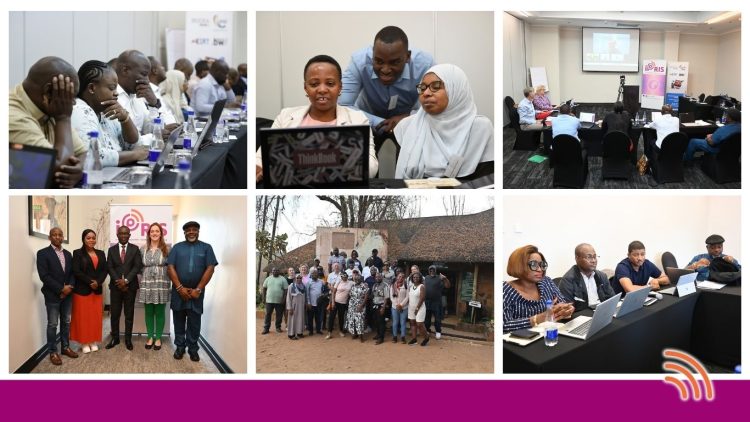
Four months later, the cohort reconvened in Botswana for an African follow-up phase, hosted by the Botswana Communications Regulatory Authority (BOCRA). The session focused on reviewing progress, presenting early results, and exchanging implementation experiences. The discussions created a valuable platform for peer learning. Regulators compared experiences across countries, identified common obstacles, and exchanged practical solutions informed by real-world implementation.
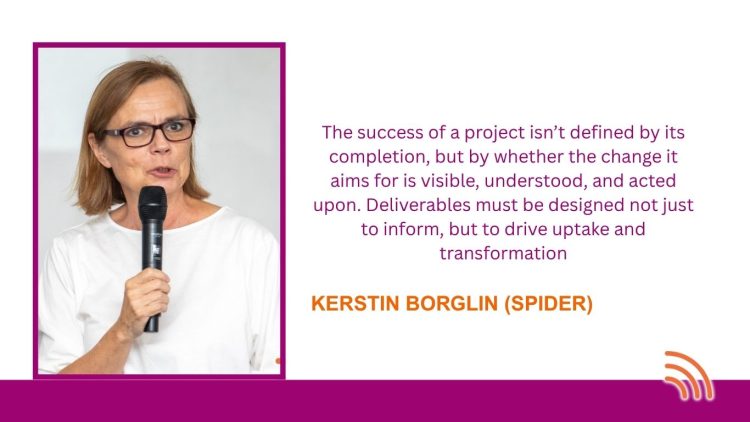
With support from SPIDER, PTS, and representatives from WATRA, CRASA, and EACO, delegates revisited their project plans and refined them to ensure they remained practical, inclusive, and impactful. The Botswana phase reinforced the importance of continuous learning and of ensuring that the projects' impact is inclusive and drives meaningful change across communities.
The cohort returned once again to implementation, applying revised strategies and consolidating progress within their institutions.
Read more about the 5th cohort Africa follow-up phase in Botswana, here
Celebrating Progress Across Africa's Regulatory Landscape
On 11th June 2026, the fifth iPRIS cohort convened for the final time in an online wrap-up session, marking the end of their year-long journey. Unlike previous meetings, this session was not focused on redesign or adjustment, but rather on consolidation and recognition of outcomes. The delegates presented the final results of their change Initiatives, showcasing how initial project ideas had evolved into fully implemented interventions with measurable impact.
The presentations covered diverse telecom sectors across participating countries. Some Change Initiatives focused on improving infrastructure deployment processes to accelerate the rollout of connectivity, while others addressed spectrum planning and optimisation to enhance the efficient use of national resources. Others strengthened consumer protection frameworks, improved market transparency, and advanced the use of evidence-based decision-making within regulatory institutions. Collectively, these initiatives demonstrated the practical value of targeted capacity-building in strengthening telecommunications governance.
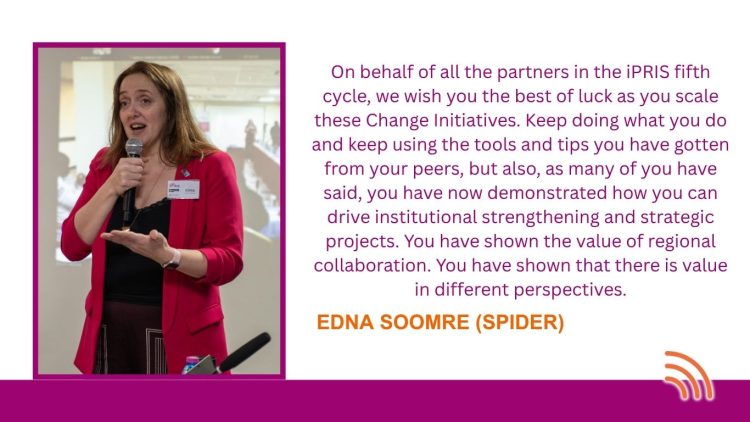
The final session was concluded by Edna Soomre from SPIDER, who delivered a reflective message to the cohort, acknowledging their commitment and achievements throughout the programme.
As the fifth iPRIS cohort concludes its cycle, its legacy is reflected in strengthened regulatory institutions, enhanced technical capacity, and deeper regional cooperation among telecom regulators. While the formal programme has ended, the networks formed, the knowledge gained, and the Change Initiatives implemented continue to shape regulatory practice across participating countries. The fifth iPRIS cohort emphasised the importance of structured collaboration and capacity-building in navigating the complexities of an evolving digital landscape and contributing meaningfully to Africa’s digital transformation.
iPRIS is coordinated and implemented by SPIDER in strategic and technical partnership with the Swedish Post and Telecom Authority (PTS) and Institut luxembourgeois de régulation (ILR), as well as ARTAC, CRASA, EACO, and WATRA.
iPRIS is funded by the European Union, Sweden, and Luxembourg as part of the Team Europe Initiative “D4D for Digital Economy and Society in Sub-Saharan Africa” (Code: 001).