


Africa's digital economy continues to gather momentum. Mobile technologies and services contributed an estimated USD 240 billion to the continent's economy in 2025 and are projected to reach USD 290 billion by 2030. While this growth reflects significant progress in expanding digital infrastructure, the next phase of Africa's digital transformation will depend on ensuring that more people are able to use, trust and benefit from digital services.
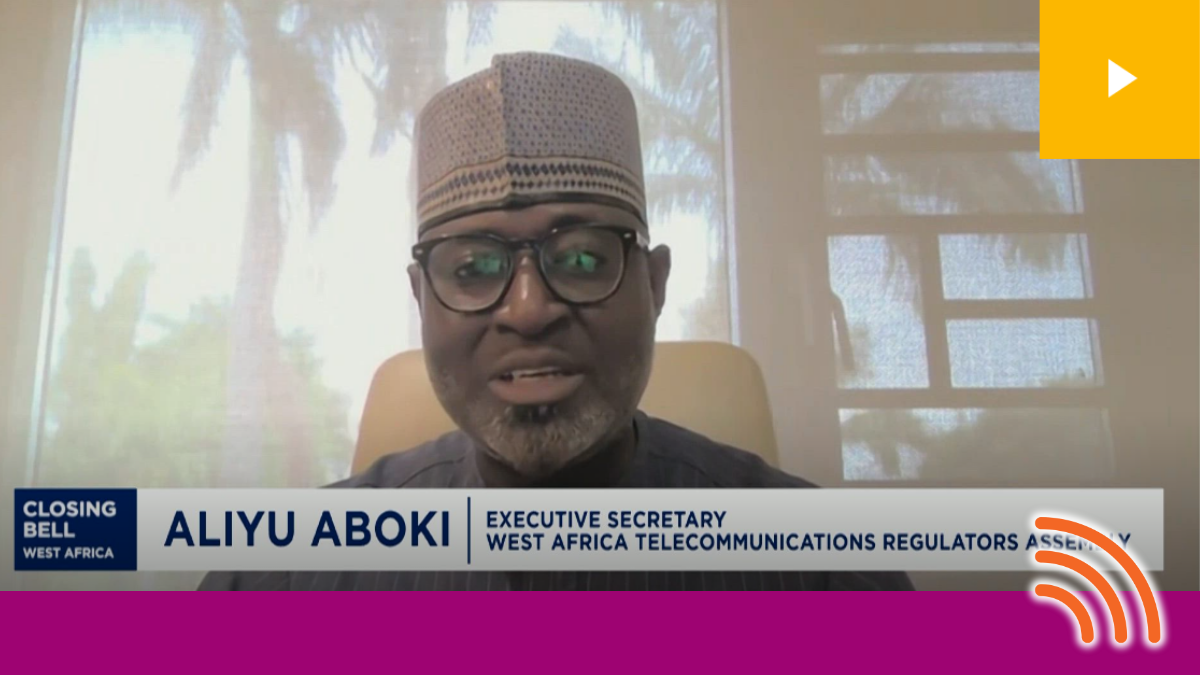
These issues were explored in a recent CNBC Africa interview with Aliyu Yusuf Aboki, Executive Secretary of the West Africa Telecommunications Regulators Assembly (WATRA). Building on conversations from the WSIS Forum 2026 in Geneva, Mr Aboki shared why stronger ICT policy, smarter regulation and regional cooperation will be critical to attracting investment, strengthening digital resilience and creating more inclusive digital economies across Africa.
Africa's next digital opportunity
Despite major investments in digital infrastructure, millions of Africans remain disconnected from the opportunities the digital economy offers.
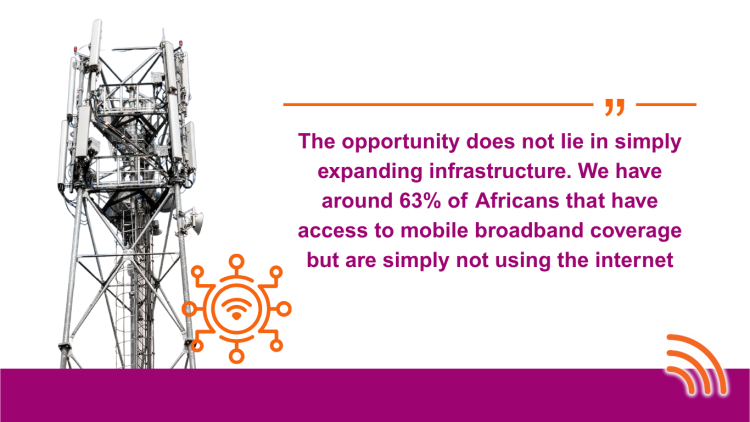
Closing this usage gap, he noted, will require more than network expansion. It will depend on creating the right policy environment, building digital skills, strengthening trust in digital services and encouraging collaboration among governments, regulators, the private sector and development partners.
Creating an environment where investment can grow
For Mr Aboki, regulation is not simply about compliance. It is about creating the certainty that encourages investment and allows digital markets to grow.
Using a simple analogy, he described his role as helping regulators learn from one another rather than solving the same challenges independently.
"I spend time encouraging regulators to copy the best regulatory ideas as fast as possible,"
When countries share successful approaches and work towards greater regulatory consistency, investors gain more predictable operating environments, making it easier to invest across borders while improving affordability and accelerating digital connectivity. This collaborative approach is also reflected in iPRIS, which enables telecom regulators across Africa to undertake peer learning and regional cooperation.
Resilience is now an economic priority
The conversation also reflected on the widespread disruption caused by submarine cable outages in West Africa, which affected businesses, financial services and digital communications across several countries. For Mr Aboki, the experience highlighted the importance of strengthening infrastructure resilience through greater regional cooperation. Improving infrastructure diversity, strengthening coordination between governments and industry and reducing repair times will all play an important role in protecting the digital services that people and businesses increasingly rely on.
As more public services, banking and commerce move online, resilient digital infrastructure has become essential for economic stability, investor confidence and cross-border digital trade.
Looking ahead
The interview reinforced a message that resonated throughout the WSIS Forum 2026: expanding connectivity is only one part of Africa's digital transformation journey. Equally important are the policies, institutions and partnerships that create trusted digital markets and enable more people to participate in the digital economy. As these partnerships continue to grow, they are helping create an environment where innovation, investment and digital inclusion can advance together.
Mr Aboki remains optimistic about Africa's digital future.
Watch the full CNBC Africa interview here: WATRA: Closing internet usage gap next digital opportunity for Africa | CNBC Africa
iPRIS is coordinated and implemented by SPIDER in strategic and technical partnership with the Swedish Post and Telecom Authority (PTS), Institut luxembourgeois de régulation (ILR), Autoridade Nacional de Comunicações (ANACOM), as well as ARTAC, CRASA, EACO, and WATRA.
iPRIS is funded by the European Union, Sweden, and Luxembourg as part of the Team Europe Initiative “D4D for Digital Economy and Society in Sub-Saharan Africa” (Code: 001).