


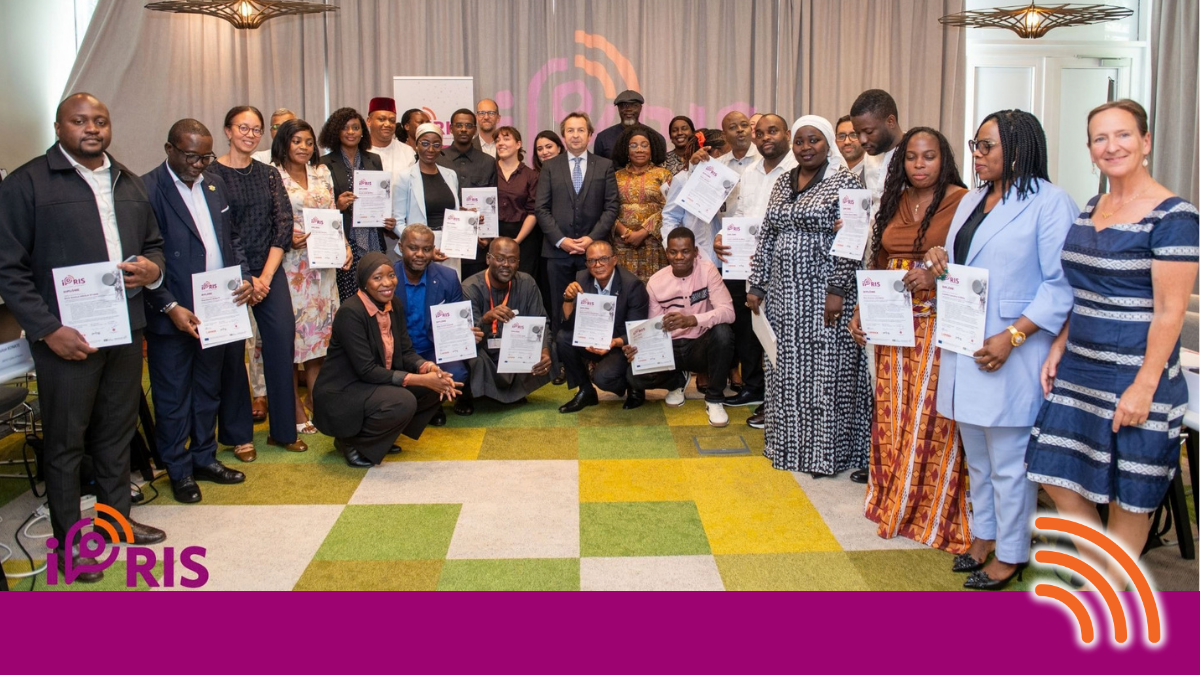
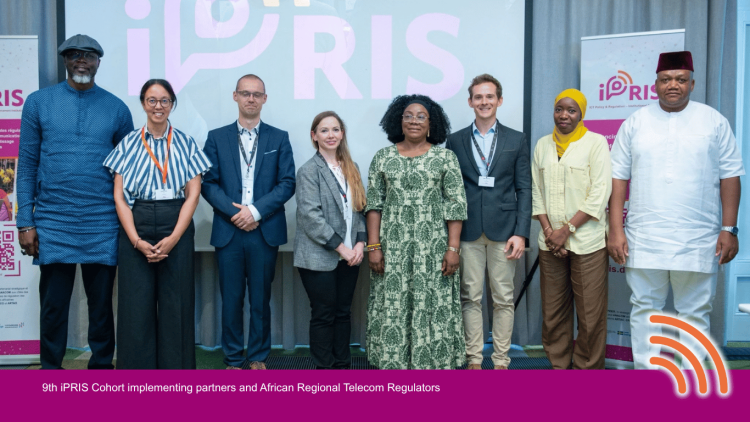
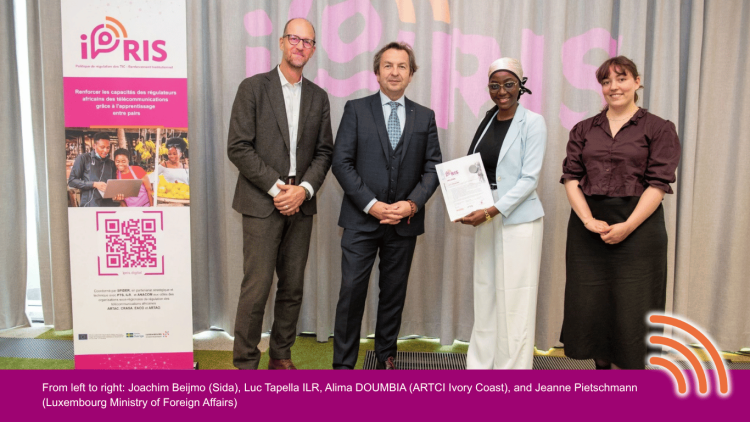
Telecommunications regulators and experts from eight Francophone African countries recently concluded a two-and-a-half-week peer-to-peer exchange in Luxembourg, held from 6–23 September 2026 under the ICT Policy and Regulation – Institutional Strengthening (iPRIS) project. The exchange brought together telecommunications experts from 13 countries across Africa and Europe to share expertise, strengthen regulatory cooperation and explore innovative approaches to advancing digital connectivity.
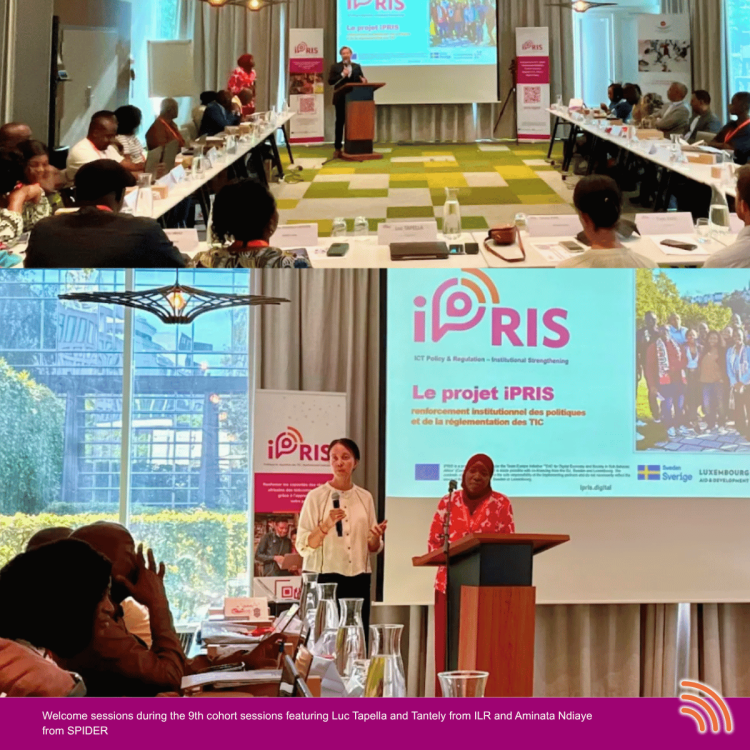
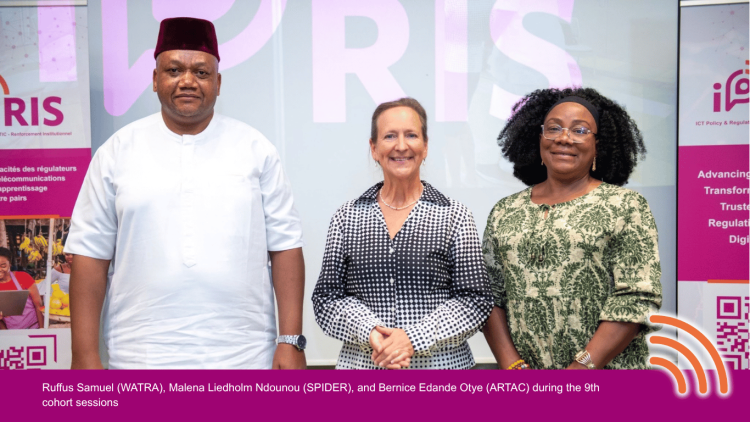
The peer-to-peer exchange brought together telecommunications regulators and experts from Benin, Cameroon, the Central African Republic, Chad, Côte d’Ivoire, the Democratic Republic of the Congo, Mauritania and Senegal, alongside regional regulatory organisations WATRA and ARTAC. They exchanged experiences with peers from Luxembourg’s telecommunications regulator, ILR, and telecommunications experts from IBPT (Belgium), ARCEP France, BNetzA (Germany), and OFCOM (United Kingdom), creating a platform to share regulatory experiences, learn across jurisdictions, and strengthen cooperation across Africa and Europe.
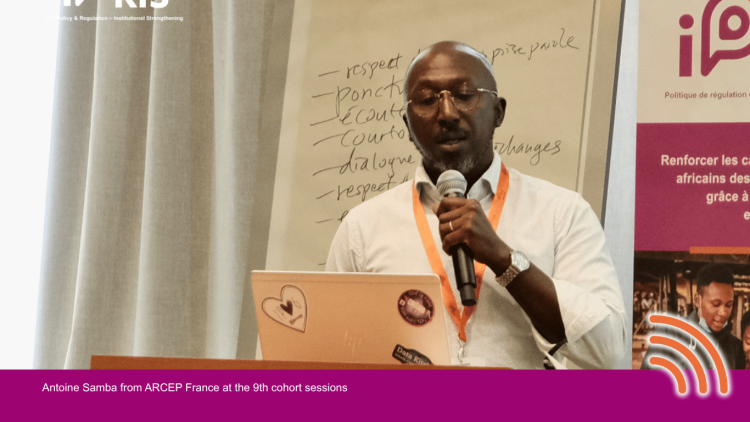
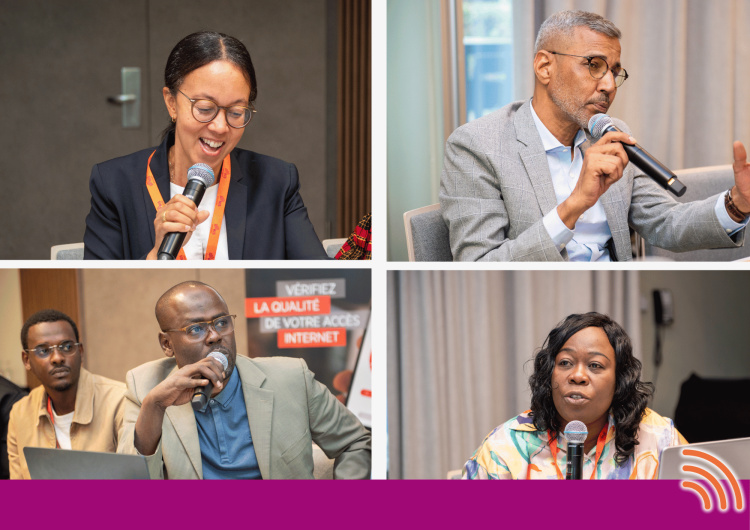
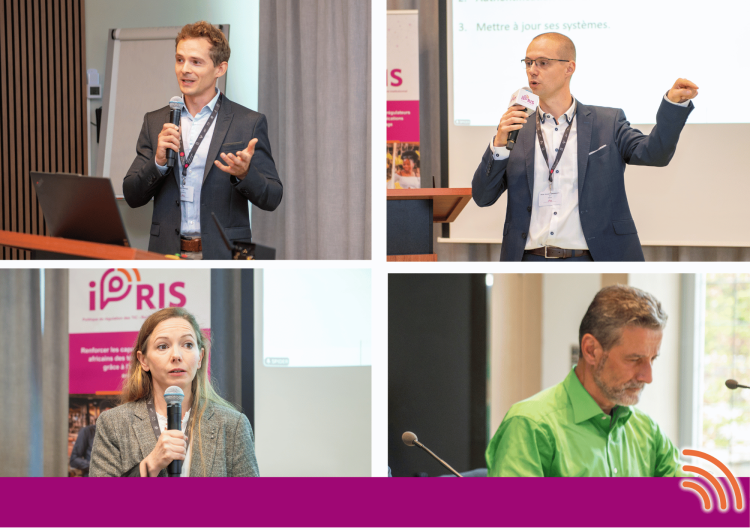
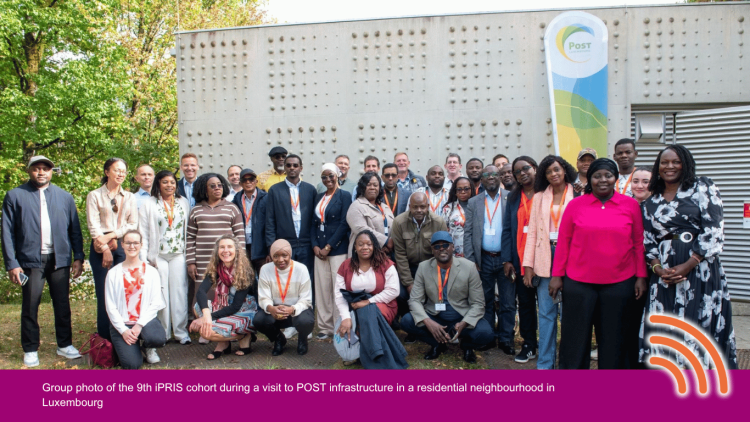
Here are some photo highlights from the two and a half weeks of collaboration and peer-to-peer exchange
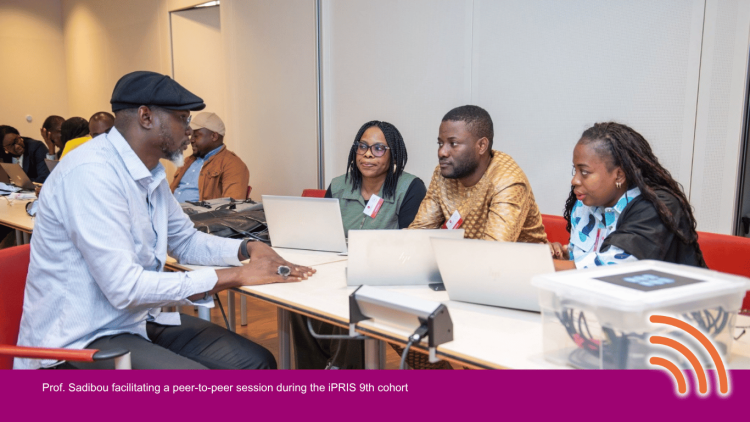
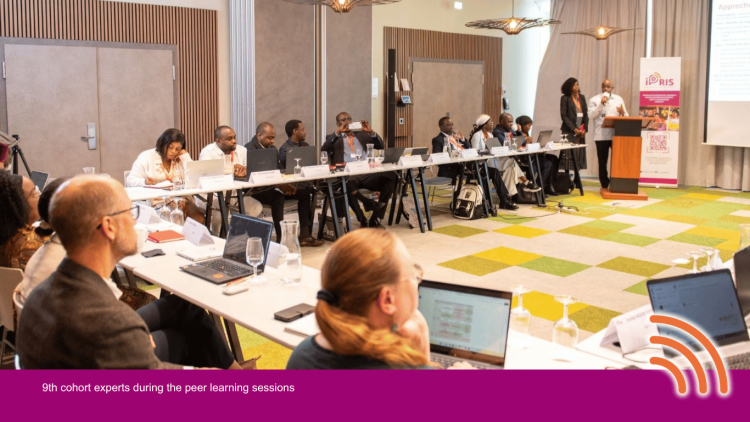
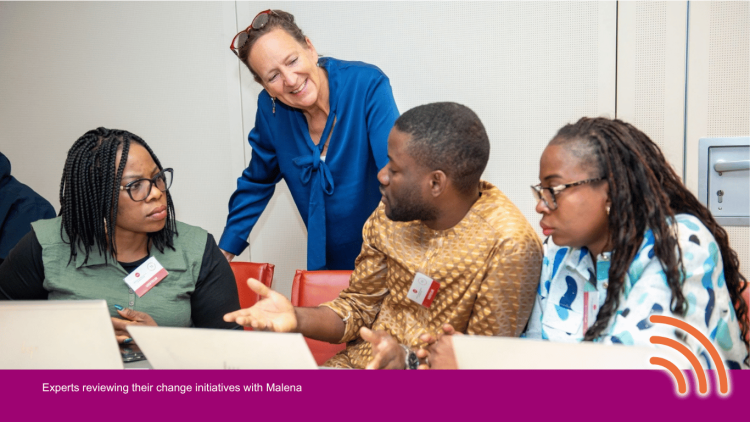
At the heart of iPRIS are the Change Initiatives: practical projects developed by regulators to address specific priorities within their institutions and countries. Through peer-to-peer sessions, regulators share progress, challenges and lessons, drawing on experiences across jurisdictions to strengthen their approaches. The initiatives cover areas shaping Africa’s digital future, including spectrum management, connectivity, cybersecurity, consumer protection and digital inclusion, helping translate peer learning into practical institutional change.
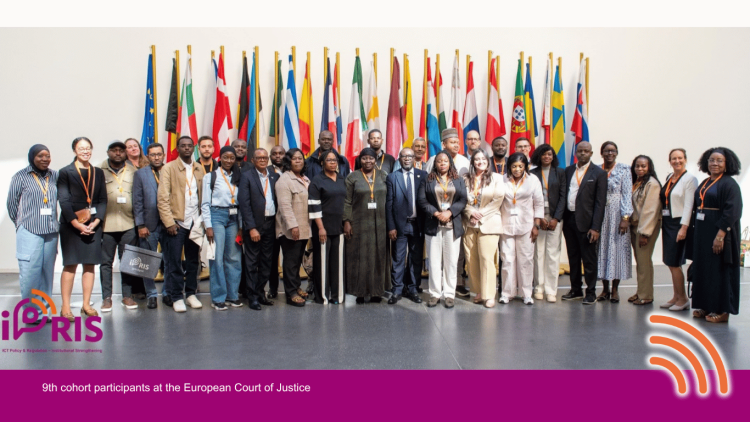
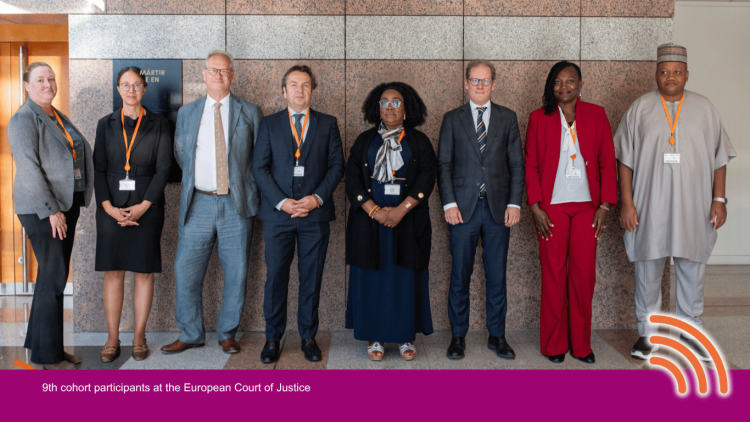
The experts visited the Court of Justice of the European Union (CJEU) to explore how EU law is interpreted and applied consistently across member states. Judge Ulf Öberg and Raphaël Meyer offered insights into legal oversight and enforcement relevant to their work as regulators.
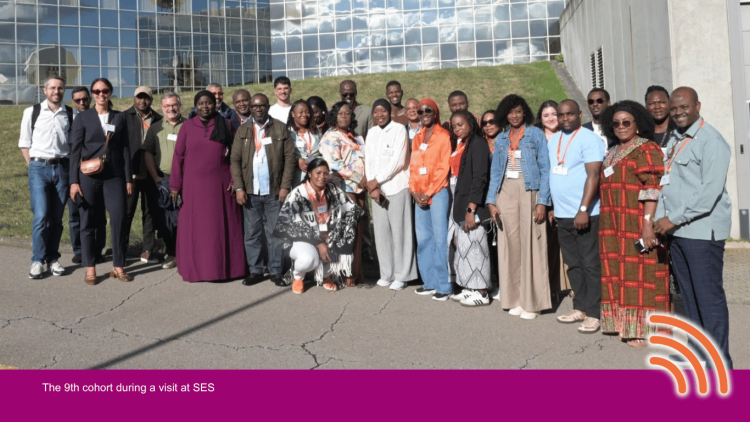
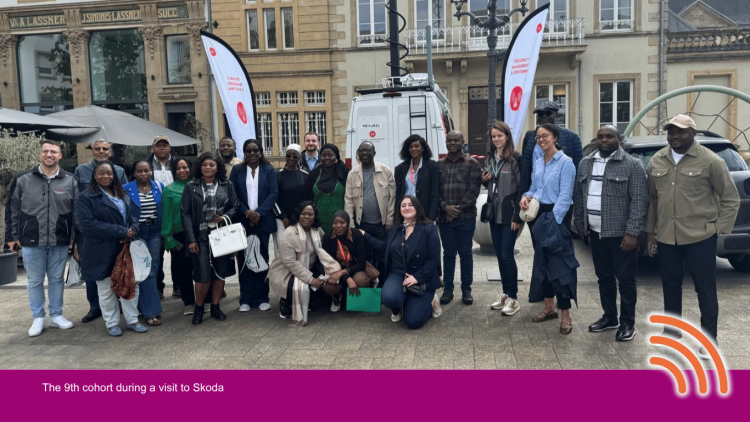
A visit to satellite operator SES provided an opportunity to explore how multi-orbit satellite technologies can complement terrestrial networks and potentially extend connectivity to underserved zones. Experts also observed spectrum monitoring in practice during the Škoda Tour de Luxembourg, providing practical exposure to spectrum management in an environment where thousands of users and multiple communications systems converge.
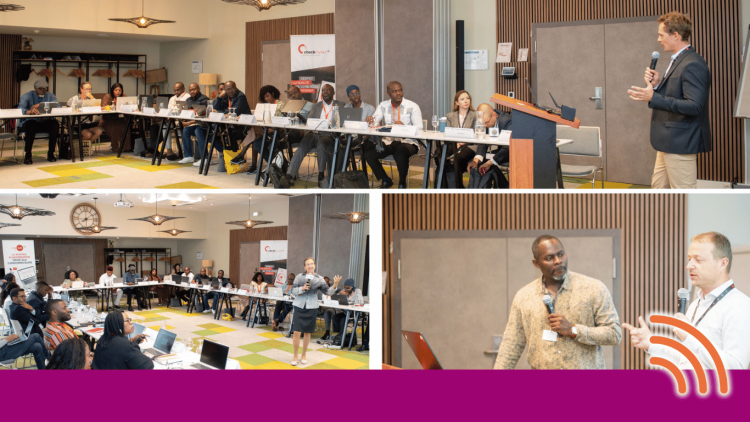
Key discussion points included cybersecurity and consumer protection, which were also central to the exchange, including discussions on emerging threats such as AI-enabled scams, credential harvesting and social engineering, and their implications for regulators and consumers.
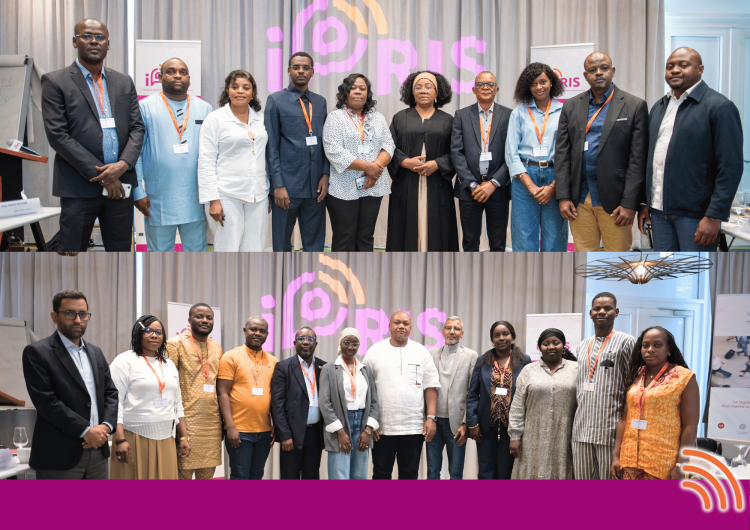
For regulators, emerging ICT issues and challenges increasingly extend beyond national borders. Spectrum, satellite networks, cybersecurity threats and digital services do not stop at national frontiers, making regulatory coordination, knowledge exchange and harmonisation increasingly important.
As the experts return to their respective countries, the focus shifts from exchange to implementation: translating shared insights, new partnerships and regulatory approaches explored with fellow telecom peers into stronger institutions and practical regulatory action that can contribute to a more connected, secure and inclusive African digital ecosystem. The experts will connect again in 6 months in Cameroon to review the progress of their change initiatives.